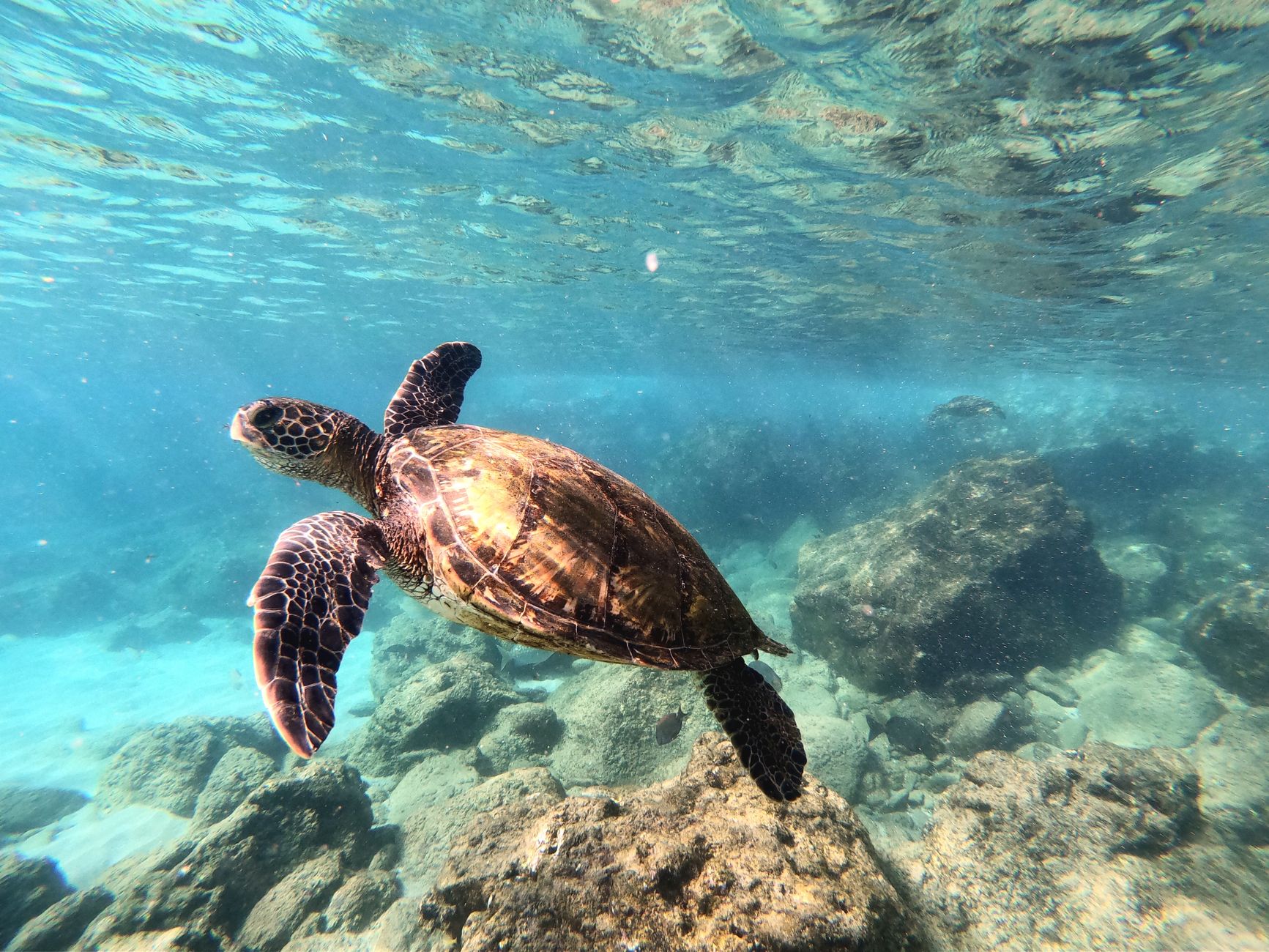
A cheap strip of flashing light threaded onto a fishing net is emerging as one of the most promising tools for keeping sea turtles, sharks and rays out of the catch — and two new studies suggest the technology now works without draining a single battery.
The headline result comes from controlled trials off Isla El Pardito in Baja California Sur, Mexico, where researchers from Arizona State University, NOAA Fisheries and the World Wildlife Fund fitted gillnets with solar-powered LED buoys that flash on and off to save energy. Published in the journal Conservation Letters, the trials recorded a 63 percent drop in predicted mean sea turtle bycatch. Crucially for the fishers, there was no significant difference in their target catch of yellowtail amberjack across 400 hours of fishing.
Jesse Senko, the ASU marine biologist who led the work, said the solar design removes the main barrier that has kept illuminated nets from spreading.
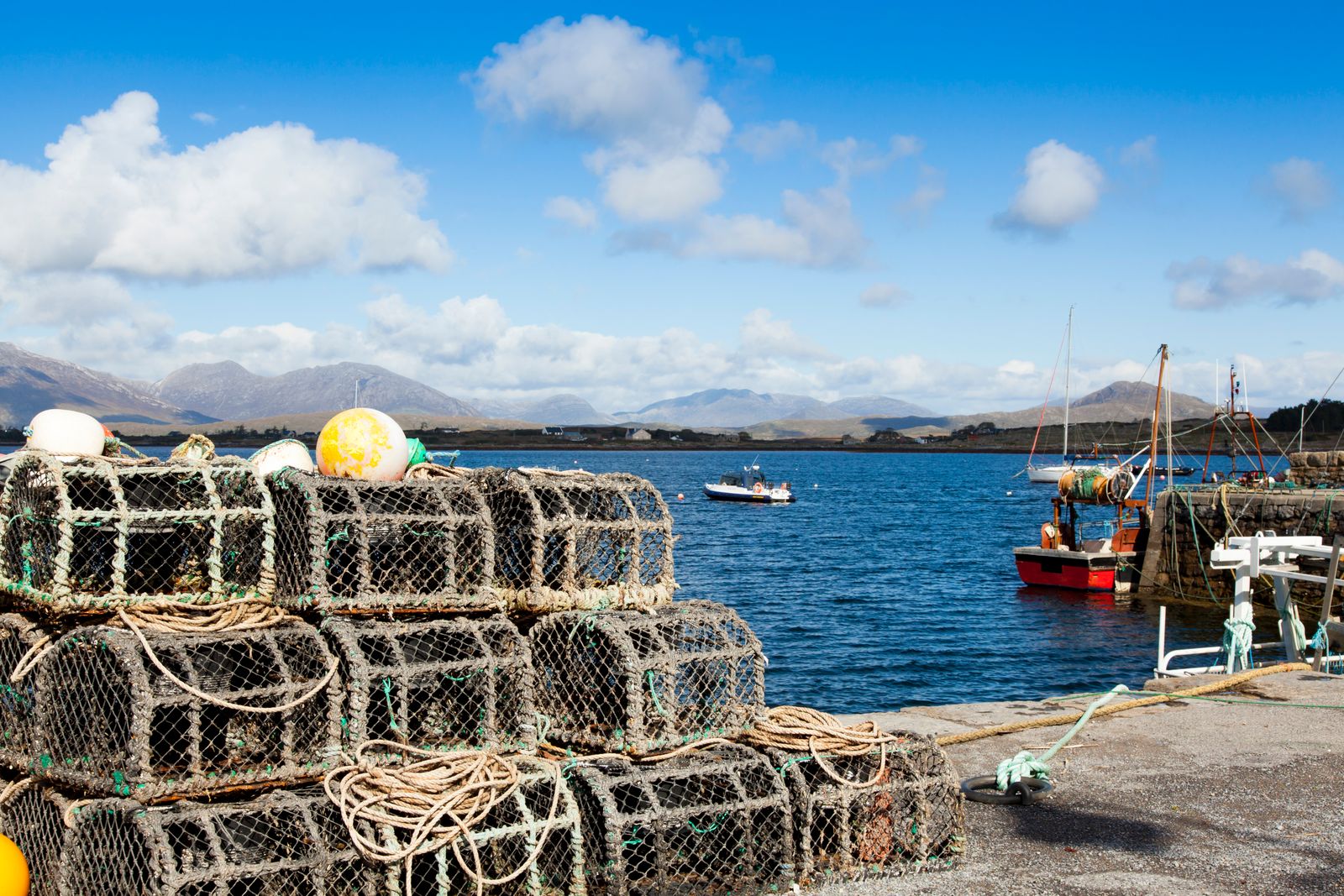
"The results were pretty exciting. It's a win-win in the sense that you're getting a light that lasts significantly longer, and it also seems to reduce bycatch just as effectively as lights that require replaceable batteries," Senko said.
The lights thread onto a net's float line like any other buoy, and can keep flashing for more than five days with no sunlight. Senko argues the payoff extends well beyond the animals caught in a single net.
"Sea turtles are important for maintaining healthy oceans, which are needed to sustain resilient fisheries. They have been around for over a hundred million years, and they fulfill ecological roles that no other species fulfill," he said.
A second, broader study published in Biological Conservation on 23 February widened the lens well past turtles. ASU PhD candidate Kayla Burgher analysed seven years of data covering more than 40 species off Mexico and North Carolina, comparing green LEDs, orange LEDs, ultraviolet LEDs and green glow sticks.
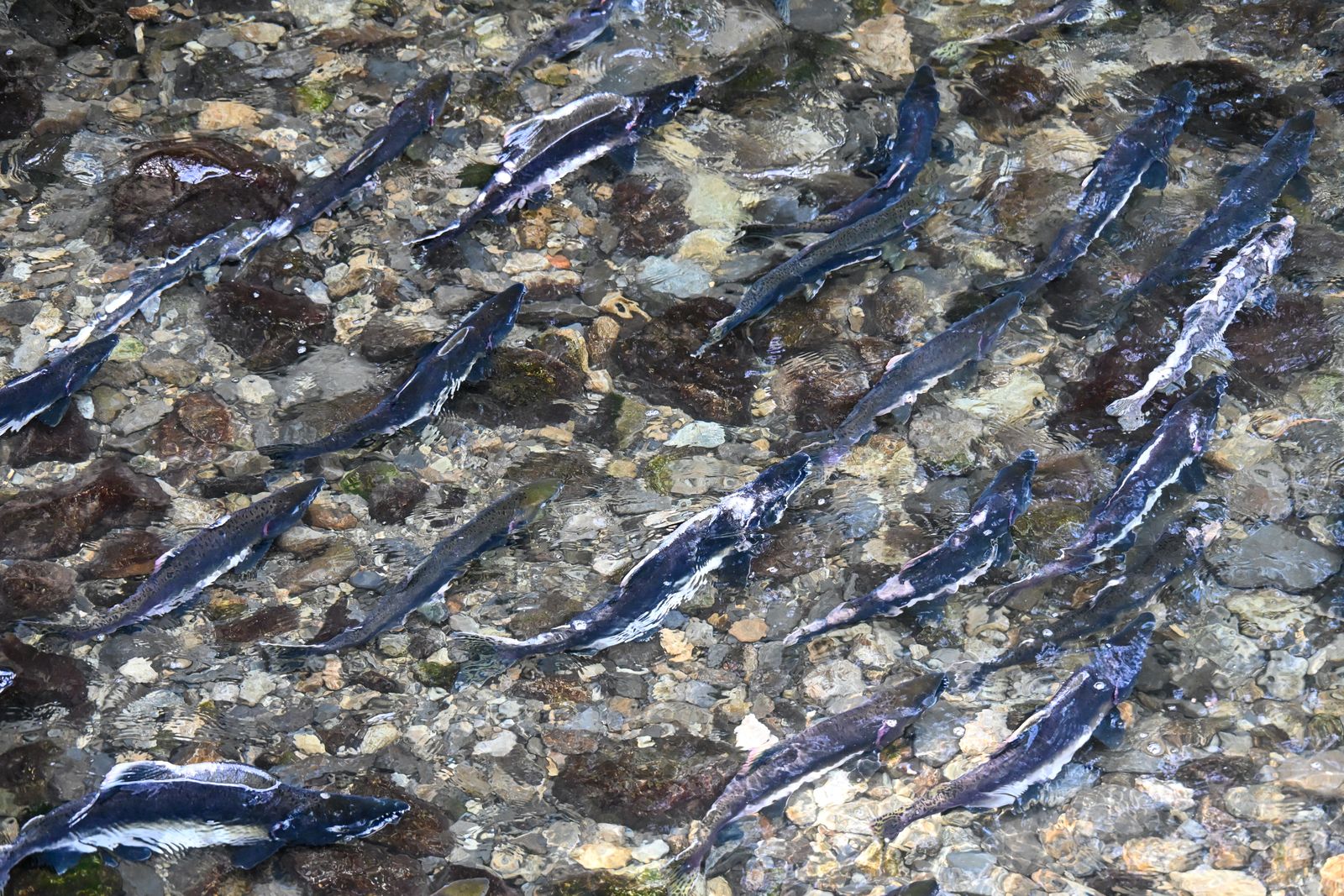
Her findings point to a technology that helps some animals far more than others. Sharks, skates and rays — the group scientists call elasmobranchs — responded strongly, but the results depended on colour.
"We found that elasmobranchs had consistent reductions across all four light types, but the orange light worked best, with around a 50% reduction," Burgher said.
Bony fish were a different story. "We basically found no reductions for bony fish," she said — a limitation that matters, because it means illumination is a targeted fix for vulnerable sharks, rays and turtles rather than a blanket answer for everything a net catches.
The scale of the dataset is what gives Burgher confidence the approach can travel. "We included so many species that are found across the world's oceans. So this is applicable globally," she said.
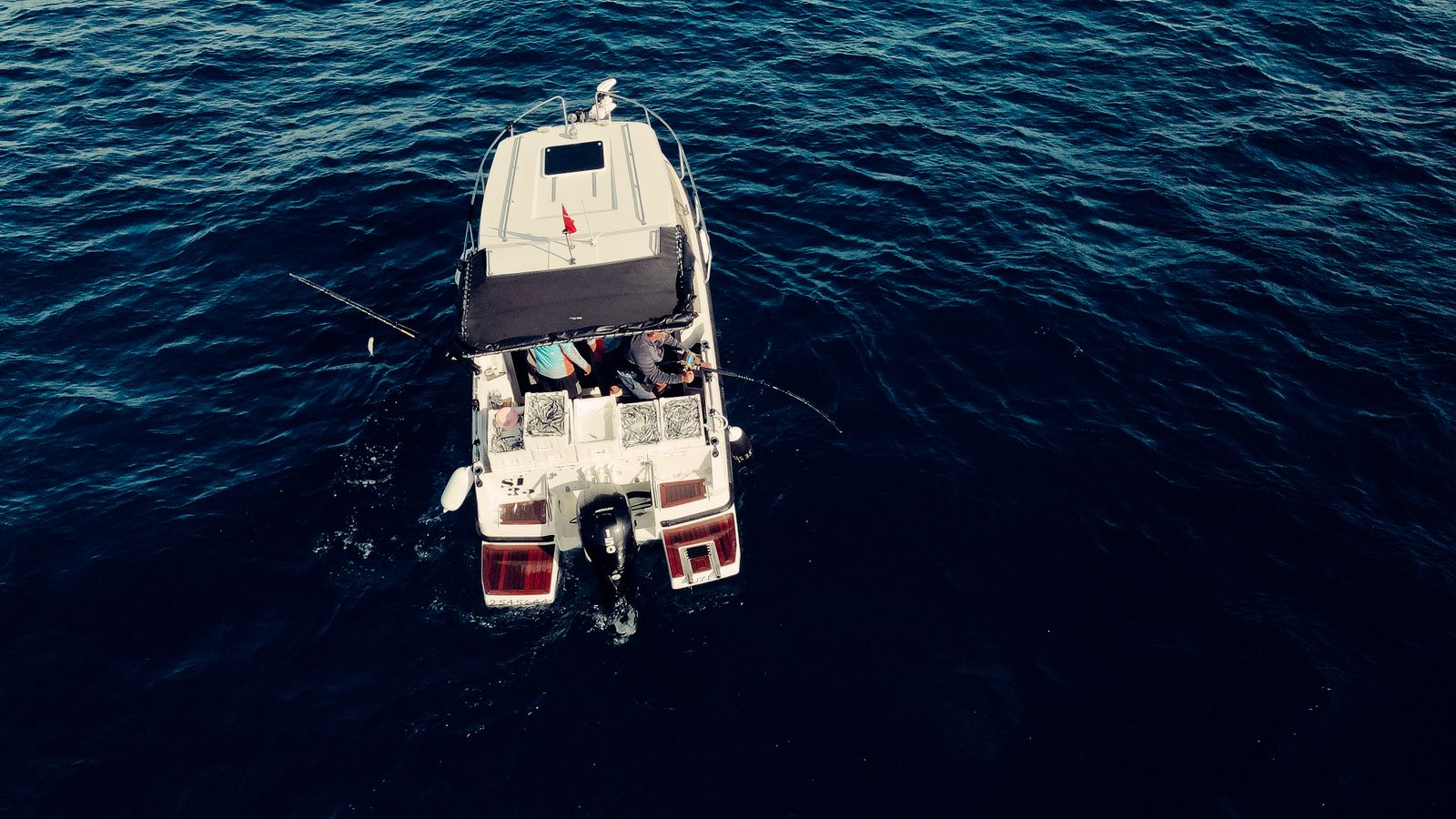
For the fishers who tested the gear, the appeal was as much about being consulted as about the catch. Juan Pablo Cuevas Amador, a Mexican gillnet fisher and co-author on the ASU work, said the collaboration was the point.
"They took us into account and gave us the freedom to give our opinions and make modifications. For us, it's important that it be done in collaboration because with what they know and what we know, we can do quite interesting things," Cuevas Amador said.
The Cuevas Amador brothers asked to keep the experimental lights after the trials ended and have kept fishing with them, making them among the only crews anywhere using solar-illuminated nets. The researchers say the next prototype targets a roughly 50 percent cut in both size and cost, with a commercial version expected through UK manufacturer Fishtek Marine within two to three years.
Gillnets remain one of the deadliest gear types for air-breathing marine life, entangling turtles, dolphins and diving seabirds along with the target fish. A flashing light that costs little, powers itself and leaves the paying catch untouched is exactly the kind of low-friction fix conservation scientists have been chasing for decades — provided the price can come down far enough for the world's small-scale fleets to bolt one onto every net.