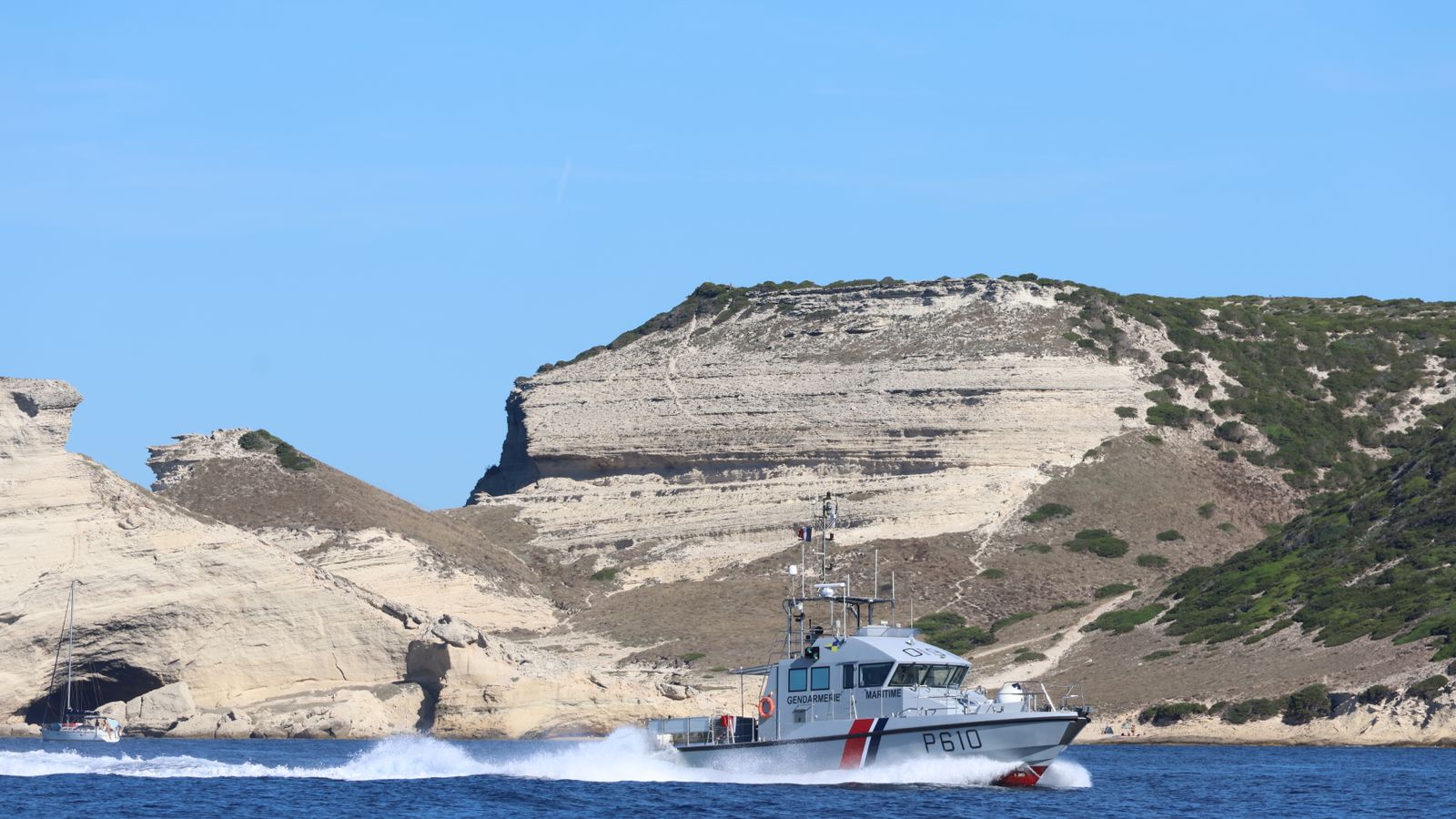
Australia has quietly rewritten the rules on what its seafood importers must declare, part of a widening effort to keep illegally caught fish out of a market that took in roughly 227,000 tonnes of imported seafood worth $2.8 billion in 2024-25.
From July 1, importers and customs brokers must use new tariff codes that split squid and shark imports apart and separate farmed from wild-caught product — changes designed to make supply chains easier to trace and suspicious consignments easier to flag. The Department of Agriculture, Fisheries and Forestry built the system with the Australian Bureau of Statistics, with further updates slated for 2027.
"Illegal, unreported and unregulated fishing remained a significant global issue with far-reaching environmental, economic and social consequences," said Nick Blong, DAFF's acting deputy secretary. He said IUU fishing "undermines legitimate commercial fishing operations while placing additional pressure on marine ecosystems and fish stocks."
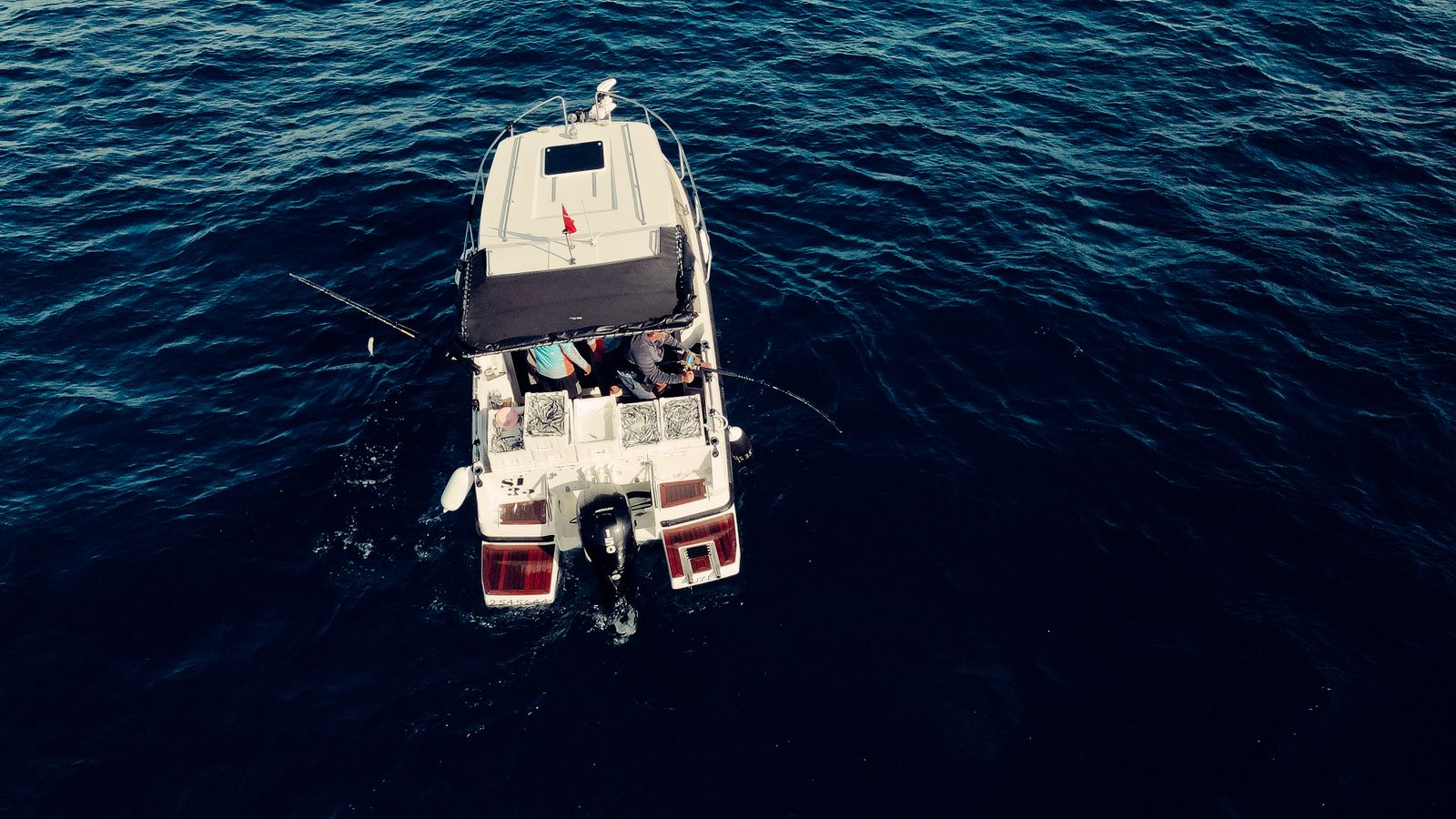
The paperwork reform lands against a backdrop of pressure Australia has struggled to contain in its own waters. Foreign vessels — overwhelmingly from eastern Indonesia — continue to cross into the Australian Fishing Zone, and the enforcement numbers read as persistence rather than deterrence: 361 boats apprehended in 2005-06, 337 in 2021-22, and 172 by January of the current financial year.
One prized target is the sea cucumber, a knobbly seafloor animal that commands extraordinary prices in Asian markets — the endangered Japanese spiky sea cucumber can retail for more than $3,500 a kilogram. At the remote Rowley Shoals off northwestern Australia, populations of some species fell by more than half between 2018 and 2023. Between 2021 and 2023, authorities intercepted 112 vessels carrying about 22 tonnes of the animals — perhaps 33,000 to 45,000 individuals — and researchers say the real haul is likely much higher. A 2024 crackdown, Operation LUNAR, boarded more than 100 foreign boats and made dozens of arrests.
But researchers argue the seize-and-prosecute playbook misses the point. Professor Natasha Stacey, an environmental scientist at Charles Darwin University whose team identified 28 overlapping drivers behind the incursions, said punishment often lands hardest on the people least able to absorb it. "Even in instances when authorities successfully 'catch' fishers undertaking illegal behaviour, it is more likely to negatively impact on their households and women," she said.
Poverty, she argues, is the engine. Her team found that "the limited employment or other livelihood options for their menfolk in their communities is a motivating factor to fish in the AFZ," and that COVID-era hardship deepened the problem. Her conclusion is blunt: "Our research results highlight the need to move beyond fishers' noncompliance as the main approach to managing illegal fishing."
For Australian recreational and commercial anglers, the twin developments — tighter import scrutiny at the border and a grinding enforcement war offshore — underline how much of the country's fisheries fight now plays out far from the water's edge.