A 95cm Murray Cod and a Belly Full of Mystery on an Overnighter
An after-work overnighter on a remote river turned into a personal-best haul of Murray cod, headlined by a 95cm fish so swollen the anglers reckoned it had eaten something the size of a duck. The slow-burn session delivered its best fish right at last light.
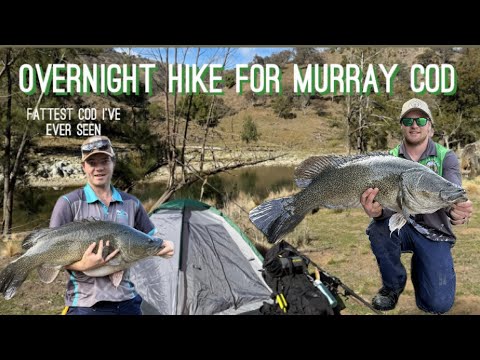
Some of the best Murray cod sessions start the moment you clock off. That was the plan for angler Cameron Constable, who grabbed his gear straight after work, drove to the river and set off on an overnight mission with a mate, Dan, hiking a good way upstream in search of the iconic native.
For a while it was hard going — a few follows, a fish spotted free-swimming and lost, and not much to show for the effort beyond a ration-pack dinner eaten on the bank. Cod fishing rewards patience, though, and the river slowly came good. A first fish around 75cm got things rolling before the session delivered its standout.
That came to Dan, and it stopped both anglers in their tracks: a 95cm cod, the fattest either of them had seen, with a belly so distended they openly wondered what it had swallowed — something the size of a duck, they guessed, given the bulge. Whatever the fish had been feeding on, it was a genuine personal best, photographed quickly and supported carefully before release.
Constable wasn't done. In the dying light he hooked and landed a cod of his own that went 91cm — a fish that would headline most trips and here played second fiddle only to Dan's giant. Both fish were caught working large lures, including a paddle-tail on heavy line, the kind of presentations cod anglers lean on when they're hunting a true metery rather than numbers.
It was, by Constable's own summary, an unreal session — saved by a morning bite and capped by two cracking fish, both released to grow on. For all the hours of nothing, the overnighter underlined why anglers keep walking that extra bend of river in the cold: the next deep, snag-filled hole might just be holding the fish of the trip.
Murray cod are Australias largest freshwater fish and one of the countrys most prized native sportfish — a slow-growing, long-lived predator that can take decades to reach the metre-plus "metery" mark every cod angler dreams of. That longevity is exactly why catch-and-release has become the norm among dedicated cod fishers, and why careful handling, supportive holds and quick photos like the ones on this trip matter so much. In many states a closed season protects the fish over the spring breeding period, leaving the cooler months either side as prime time to throw the big swimbaits, spinnerbaits and surface lures that tempt the largest specimens. Sessions like Constables — long, patient and often fishless for hours — are the reality behind most genuine trophy cod.', 'portland-southern-bluefin-tuna-2026-barrel-run-may-2026':'
Portland has earned a reputation as one of the countrys premier southern bluefin tuna ports, its position near the edge of the continental shelf putting big fish within reach of trailer boats through the cooler months. "Barrels" — the term for southern bluefin from roughly 60 kilograms up — demand heavy game tackle, stand-up harnesses and a skipper who can keep the boat on a moving school. Hooking several in a single session, as this crew did, is the kind of result that draws anglers from interstate to the south-west coast each winter.