Michigan's Department of Natural Resources will receive $900,000 in one-time money for hatchery infrastructure under the state budget passed this month. The chief of its Fisheries Division says it will not stop the cuts already coming.
The money comes from the game and fish fund and is restricted to critical infrastructure. It cannot pay wages, and it cannot buy fish food.
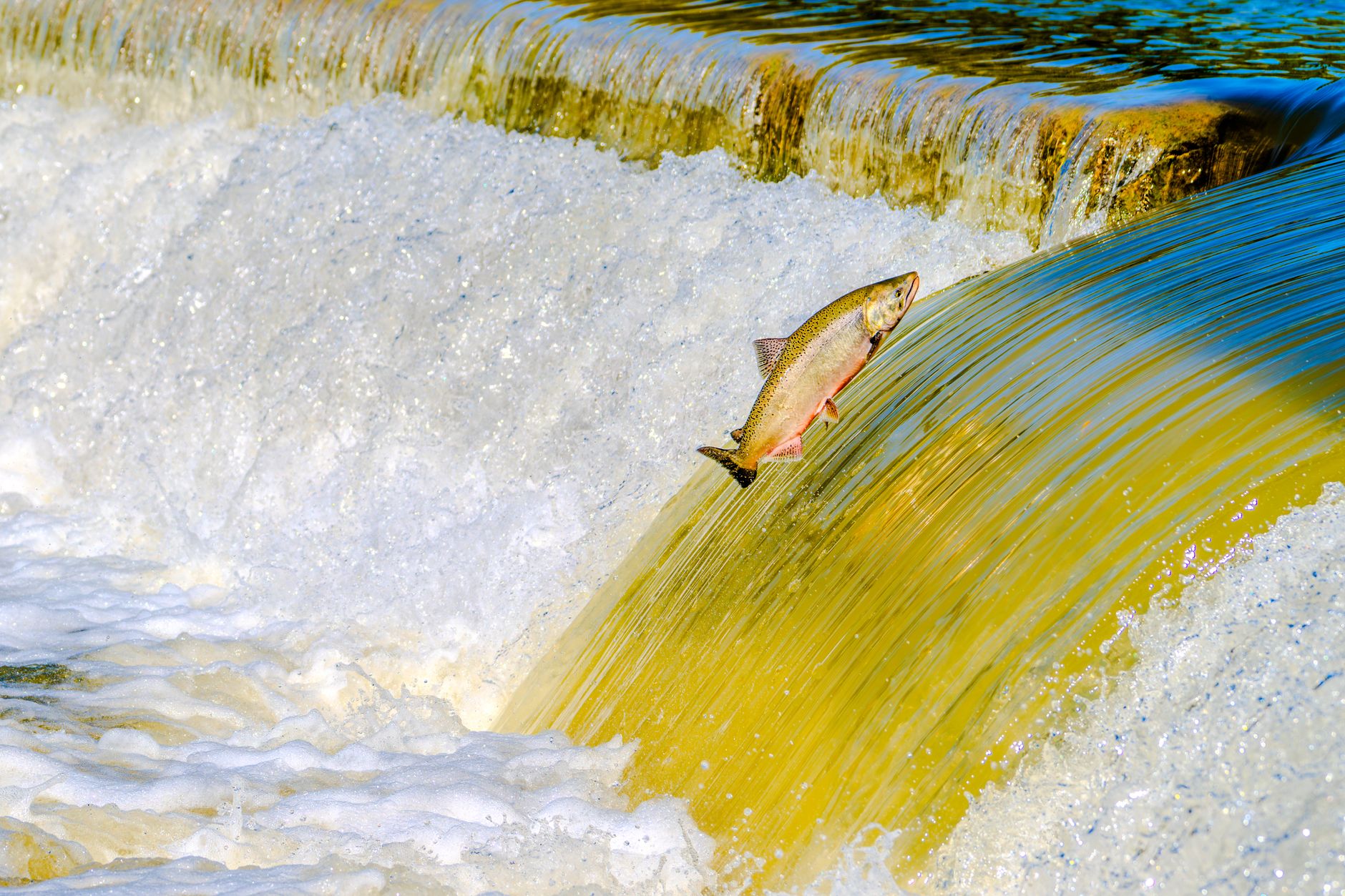
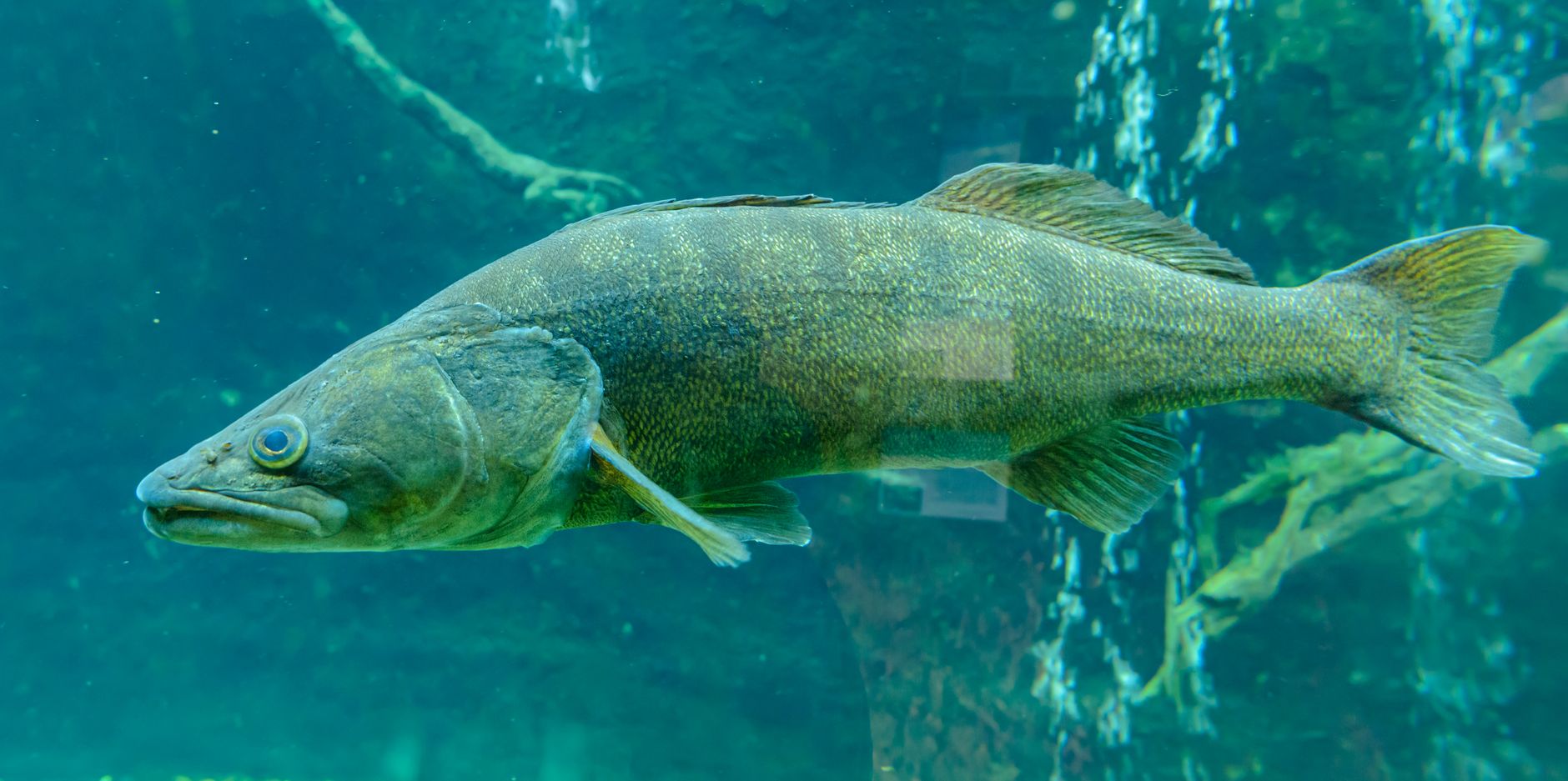
"We're probably going to have to reduce our Chinook salmon egg pick by 50%," Randy Claramunt, chief of the DNR Fisheries Division, told Michigan Public. "We will be putting the walleye fishery in Saginaw Bay in jeopardy by not stocking Chinook salmon. We don't ever want to change that balance based on budgets, but our hands are tied."
Jim Francis, the department's Lake Erie Basin coordinator, put it more bluntly: "We are down to the bone and we're still looking at a budget deficit moving forward."
Behind the budget line sits a fish in serious trouble. Lake whitefish catches are down roughly 70 percent since 2009, driven largely by quagga mussels stripping out the zooplankton that young whitefish depend on. Of 18 genetically distinct whitefish populations in lakes Michigan and Huron, 14 are considered imperiled.
"We're concerned that a genetic rescue is necessary, and if we don't do it as soon as possible [...] that these stocks will be lost," Claramunt told Bridge Michigan. Of the remainder, he said: "The other four that were considered stable are now at risk of declining."
The Senate wrote a whitefish recovery line into its appropriations bill carrying a placeholder value of $100. State Sen. John Cherry, a Flint Democrat, framed the timing starkly.
"It could potentially be now or never for some of those genetic stocks," Cherry said. "We have an opportunity right now to figure out which direction we want to go. The direction of the passenger pigeon, or do we want to go the direction of the turkey?"
Across the state line, Wisconsin has already moved. Its Natural Resources Board approved a 40 percent cut to the Lake Michigan commercial whitefish quota in December 2025.
"Young whitefish, the baby whitefish, are entirely dependent upon that zooplankton to sustain themselves to grow up," Scott Hansen, a senior fisheries biologist with the Wisconsin DNR at Sturgeon Bay, told Wisconsin Public Radio. "What happens is there's a bottleneck there - that's what we assume is happening. And they're just not surviving to adulthood."
Michigan fishing licence prices have not changed since 2014. House Bill 5093, sponsored by Rep. Curtis VanderWall, R-Ludington, would add a $5 hatchery stamp and shift a larger share of licence revenue to fisheries. It has stalled.
Ed Blissick, president of the Great Lakes Salmon Initiative, says anglers are willing to pay. "It got tremendous support, from the Keweenaw Peninsula to Southeast Michigan," he said. "It's quite simple: We pay a little more but we get better fishing in return. The opposition really comes in the House of Representatives."
Mark Williams, who founded Michigan's Anglers Consortium, points to what happened when Lake Huron's salmon fishery collapsed. "When the salmon crashed in Lake Huron, that devastated the economy of those coastal towns," he said. "What happens if it happens in Lake Michigan? Then we're really in trouble."
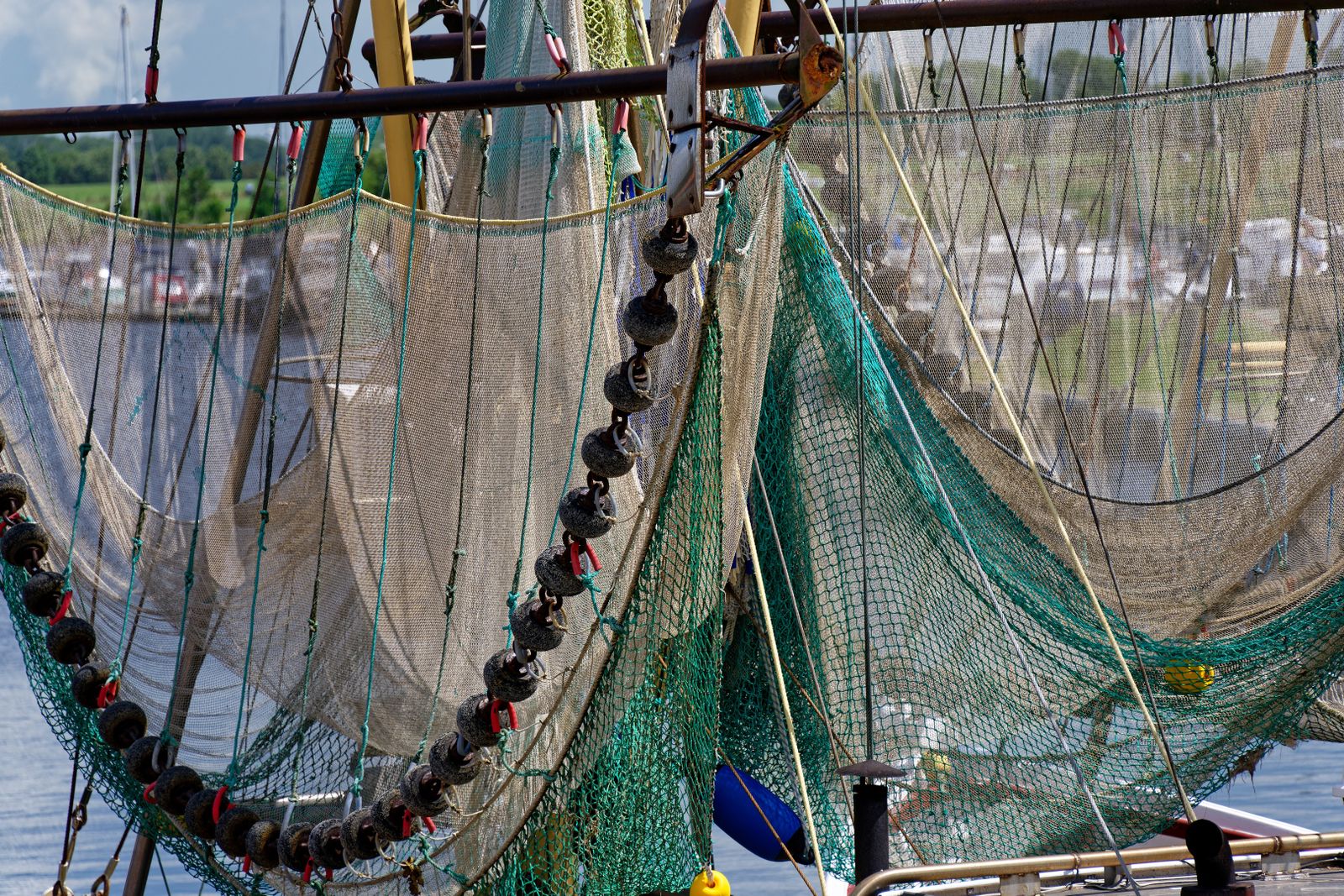
Michigan's remaining commercial fishers see a different problem entirely. Eleven state-licensed operations are left, down from more than 700 in the 1960s, and separate legislation would open walleye and lake trout to commercial harvest.
"If something doesn't happen, a couple of us feel, and I think we're right, within five to 10 years, there won't be a Michigan state licensed fishery anymore," said Lakon Williams, operations manager at Bay Port Fish Company.
Rep. Dave Prestin, R-Cedar River, argues the rules have outlived their purpose. "These regulations were designed to reduce commercial fishing during a time of needed rehabilitation," he said. "But now they place a disproportionate regulatory burden on the few family-owned commercial fishing businesses that are left."
Claramunt opposes those bills as well, on cost as much as biology. "This would cost Fish Division over $1,000,000 and the estimated revenue is less than 1/4 of a million," he told a House committee. His broader worry is what the fight is doing to the constituency his division depends on - the push to rewrite the commercial fishing statute, he said, is "deepening the divide between recreational and commercial fishers."
Michigan's budget must be unified by September.