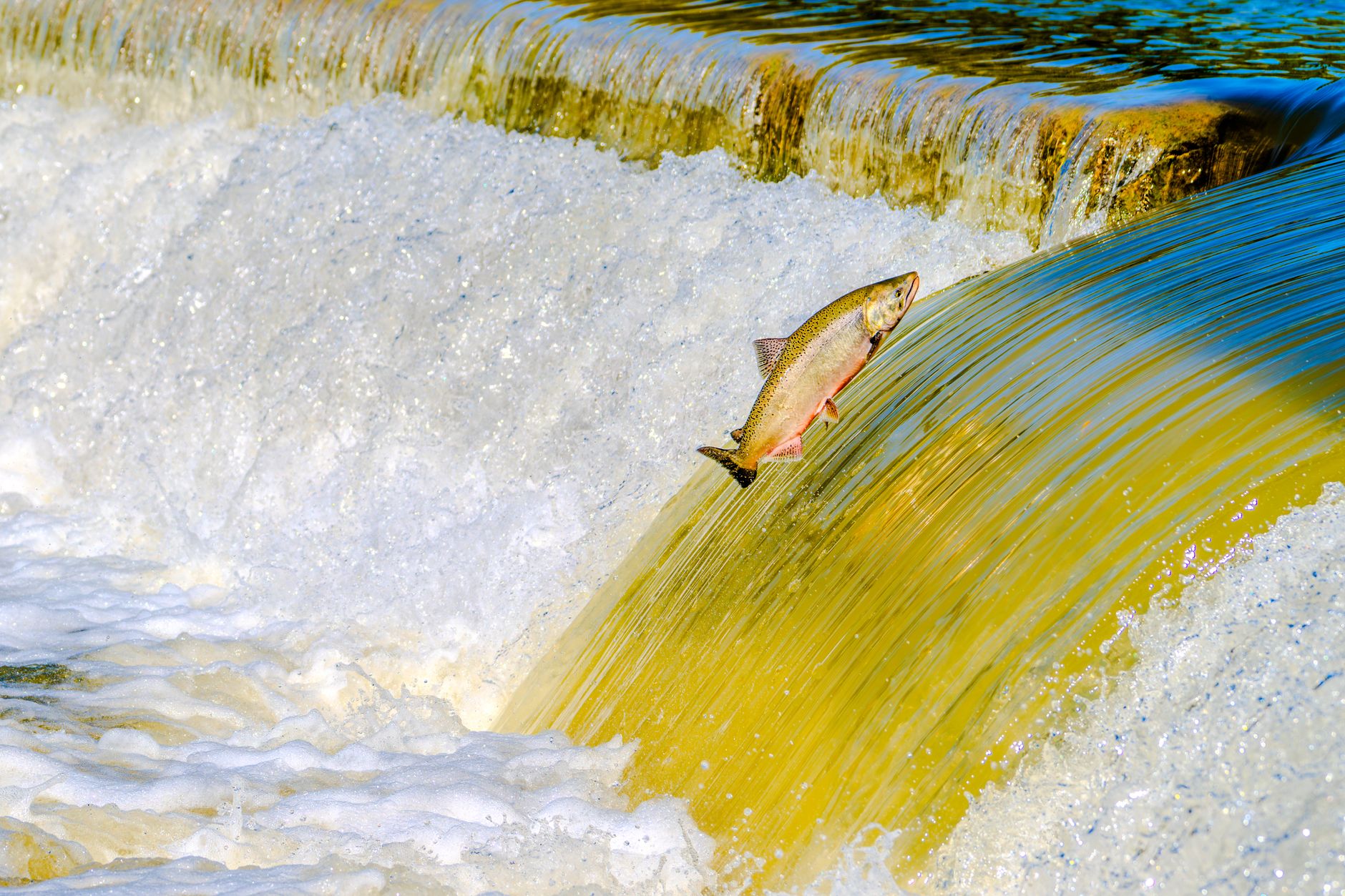
For 12 hours last Sunday, salmon poured into the Ellidaar river on the edge of Reykjavik at a rate almost too fast to count. Nearly 600 fish passed the river's counter in a single day — a record since monitoring began in 1989, and a sign that Iceland's 2026 salmon season is shaping up to be one of the best in living memory.
"We're talking about almost one salmon passing through the counter every minute over a 12-hour period," biologist Johannes Sturlaugsson, who tracks the annual run, told Icelandic broadcaster RUV. Around 2,000 salmon and 100 sea trout have already been logged this summer. Last year's total was 3,400 for the whole season, and Sturlaugsson expects 2026 to beat it. The largest fish are running to about 90 centimetres.
He credits a deliberate recovery effort rather than luck. Anglers on the Ellidaar now fish under a mandatory catch-and-release policy; hydropower generation has been pulled off the river; and the Arbaer dam has been reopened to let migrating fish through. The payoff, Sturlaugsson said, is measurable: "We have the best Atlantic salmon return rate from the sea anywhere in the world."
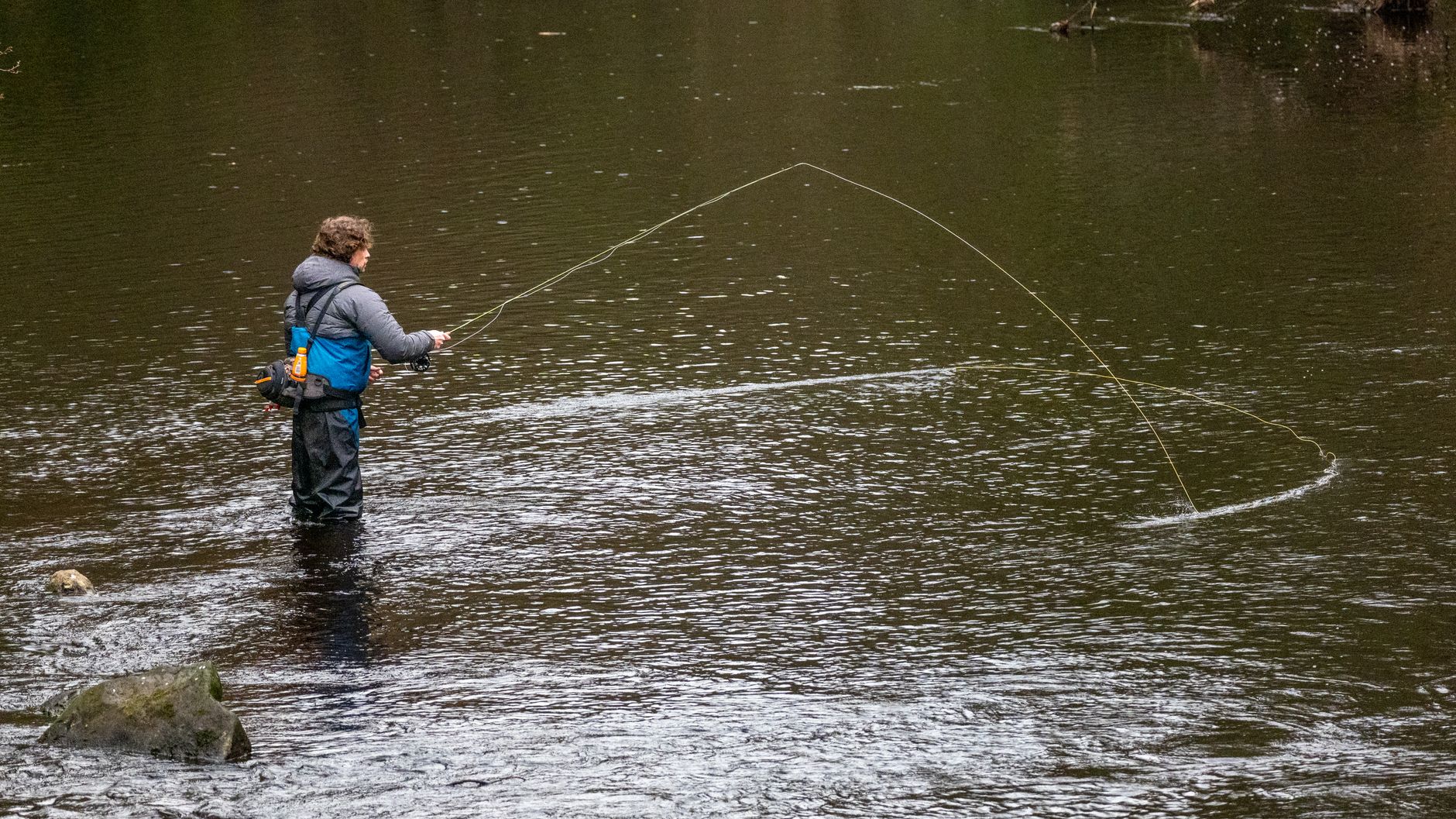
The strength is not confined to one river. Peter McLeod of the fishing travel specialist Aardvark McLeod, writing in a mid-July report, said the mood flipped within weeks. "Three weeks can make an enormous difference in an Icelandic salmon season, and that has certainly been the case during the first half of July," he wrote.
His river-by-river tally reads like a recovery ledger. The Nordura had produced 349 salmon by early July, comfortably ahead of 2025. The Midfjardara sat at 243 fish, up more than 80 per cent on the same point last year. The Hitara was running roughly 140 per cent ahead of 2025, and the Thvera and Kjarra system had already passed 550 salmon after one week that alone yielded more than 300. With cool water and fresh fish entering the rivers on almost every tide, the main grilse run was only just getting going.
Behind the celebration sits a longer-running fight over what could undo it. Wild North Atlantic salmon numbers have fallen roughly 75 per cent over the past half-century, and fewer than 60,000 are thought to remain around Iceland. Anglers and conservationists point to open-net salmon farming — and the risk that escaped, selectively bred farmed fish interbreed with wild stocks — as the central threat. A 2023 escape in Icelandic waters sharpened those fears, and polling cited by campaigners suggests about 65 per cent of Icelanders oppose open-net farming.
Patagonia founder Yvon Chouinard, a long-time backer of the late Icelandic conservationist Orri Vigfusson's campaign to save what Vigfusson called "the king of fish," has urged lawmakers weighing new aquaculture rules to hold the line. "Icelandic ministers can listen to reason and citizens and set an example of responsibility," Chouinard wrote.
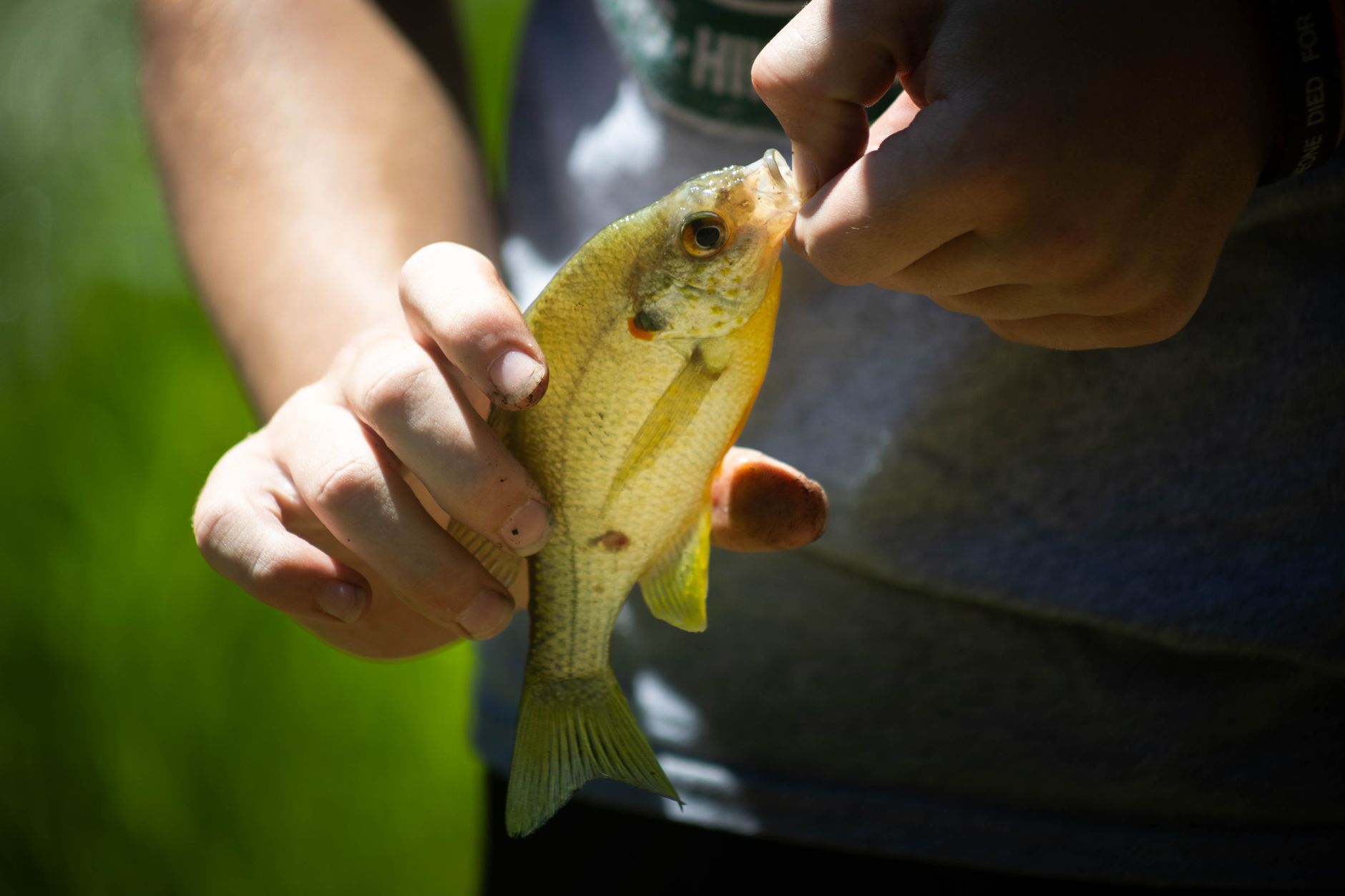
For now, the counters keep clicking. A record daily run on the Ellidaar, rivers across the west and north fishing well ahead of last year, and a catch-and-release ethic that returns most fish to the water — the 2026 season is a rare piece of good news for a species that has had precious little of it.