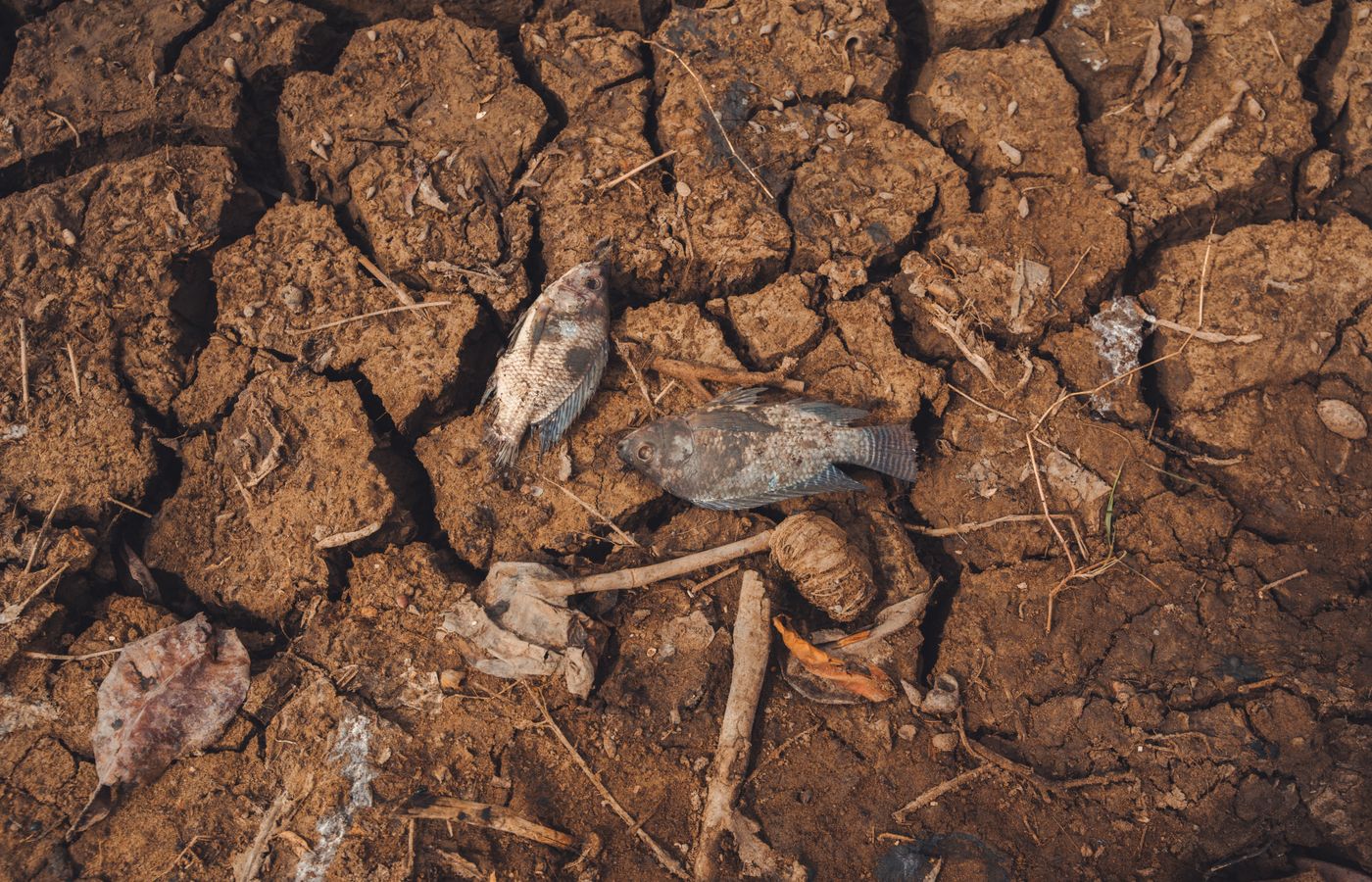
Another mass fish kill on the Darling-Baaka has put the Minns government's promise to fix the river back under the microscope — and anglers, graziers and scientists warn the next one could arrive as soon as this summer.
Roughly 100,000 native bony bream died on the banks of the Menindee Lakes earlier this year, the latest in a run of die-offs that has become grimly familiar to communities in far-west New South Wales. The immediate trigger was an extreme heatwave followed by a sudden temperature drop, a shock the bony bream are particularly vulnerable to. But those who live and fish on the river say the body count is a symptom of something structural.
"To see a hundred thousand native fish dead on the banks of Menindee Lakes is heartbreaking, but it is not surprising," said Mel Gray, Inland Water Campaigner for the Nature Conservation Council of NSW.
The politics hardened this month after the federal government knocked back a request from NSW for $360 million to fund water recovery and connectivity works across the northern basin. The state's Connectivity Expert Panel handed down its final report in July 2024, laying out how to keep flows moving down the tributaries that feed the Barwon-Darling and, ultimately, Menindee. Two years on, those recommendations remain largely unimplemented.
For the graziers who watch the river rise and fall, the delay is not academic. Stuart Le Lievre, who runs stock on the country between Tilpa and Louth, put the stakes bluntly: "If we do not get that northern basin connectivity program in its entirety, the Barwon-Darling is terminal." He warned another fish kill could come as early as summer, and that the towns strung along the river are just as exposed. "Bourke will run out of water. Wilcannia, Tilpa, Louth will run out of water," he said. "Our communities, our biodiversity — don't we deserve fresh water?"
The Water Minister, Rose Jackson, said the government had put forward "potential rule-based changes to water sharing plans" that would deliver "improved connectivity and significant long-term benefits for the Murray-Darling Basin," and indicated NSW remained open to negotiation as it weighed its next steps. That framing did little to satisfy critics who argue the state has leaned too heavily on Canberra to pay.
"It beggars belief that the Minns government was expecting the Commonwealth to foot the entire bill," said Greens water spokesperson Cate Faehrmann.
South Australia's River Murray Commissioner, Emma Carmody, pressed for rules with teeth rather than goodwill, arguing connectivity "isn't optional" and calling for "mandatory, enforceable rules that protect flows all the way downstream and into Menindee Lakes."
The science behind the deaths is not really in dispute. Richard Kingsford, a professor at UNSW Sydney who has studied the basin for decades, has long argued the pattern comes back to one thing: "The fundamental reason the fish of the Darling keep dying is because there is not enough water allowed to flow." When floodwaters recede, fish concentrate in the main channel, oxygen levels plummet, and — with weir gates shut and too much water siphoned upstream for agriculture — they have nowhere to go.
The numbers underline how routine the crisis has become. According to the latest State of the Environment report, fish kills in NSW have tripled over the past five years, with more than 190 recorded fish death events since 2021. Premier Chris Minns visited Menindee after the catastrophic March 2023 kill and told locals his government would fix the river. Whether the money and the rules follow the promise, before the mercury climbs again, is the question hanging over the Baaka.