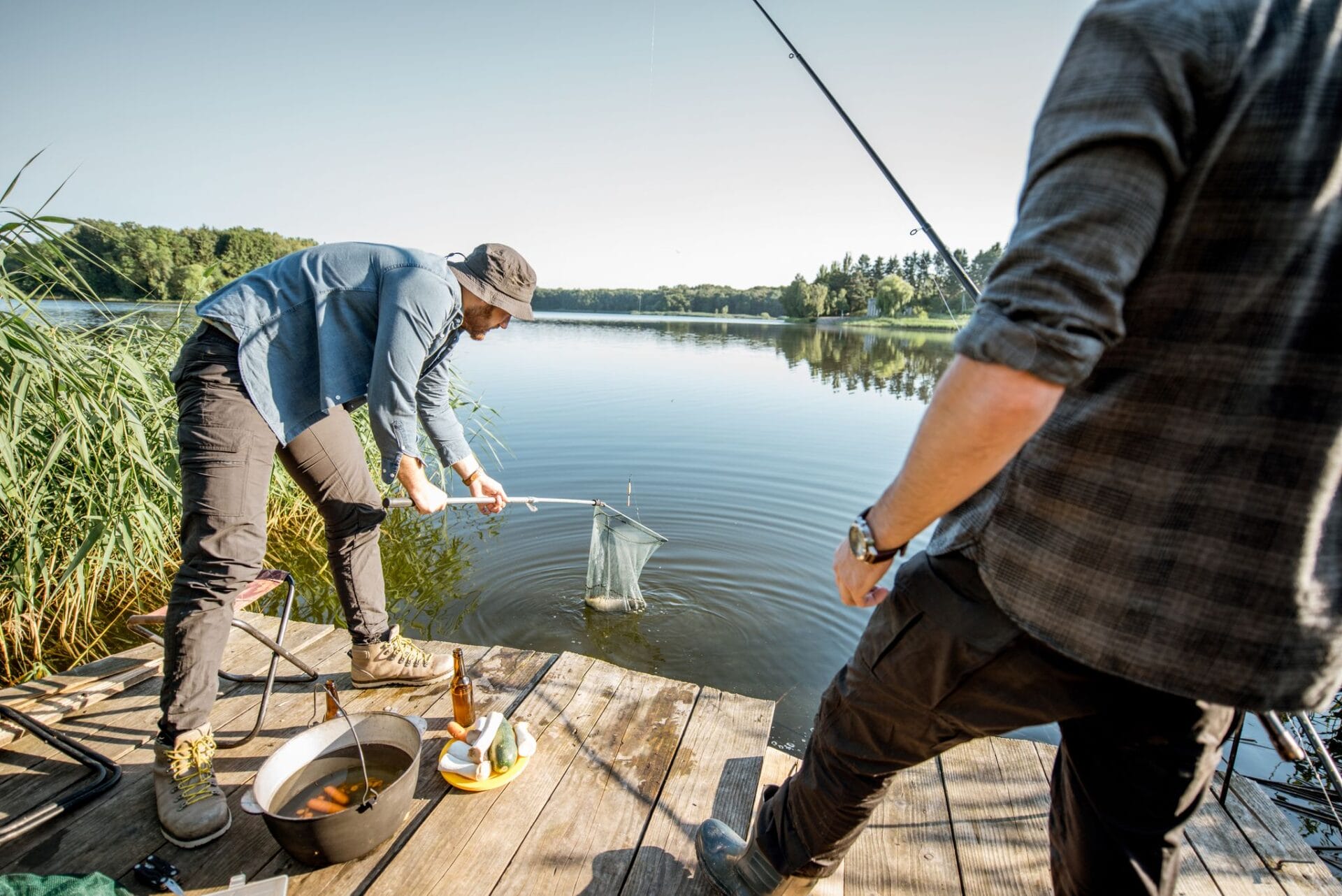
For fishing enthusiasts seeking a more intimate and rewarding angling experience, small ponds are emerging as the ideal destination. These intimate water bodies, typically encompassing less than five acres, offer anglers a peaceful escape from crowded fishing spots while providing better odds of landing a catch.
Small ponds present unique opportunities that distinguish them from larger lakes and rivers. With reduced competition from other anglers and distinct ecological conditions, these compact ecosystems support diverse fish populations that behave differently than their counterparts in expansive waterways. Whether naturally occurring or artificially created, small ponds have become havens for both novice and seasoned anglers looking to elevate their fishing game.
The fish species commonly found in small ponds create an exciting variety for anglers to target. Carp, known for their impressive size and strength, frequently inhabit man-made ponds and provide thrilling battles for those seeking a challenge. Catfish, dwelling near pond bottoms, offer their own unique appeal with their elusive nature and bottom-feeding behavior.

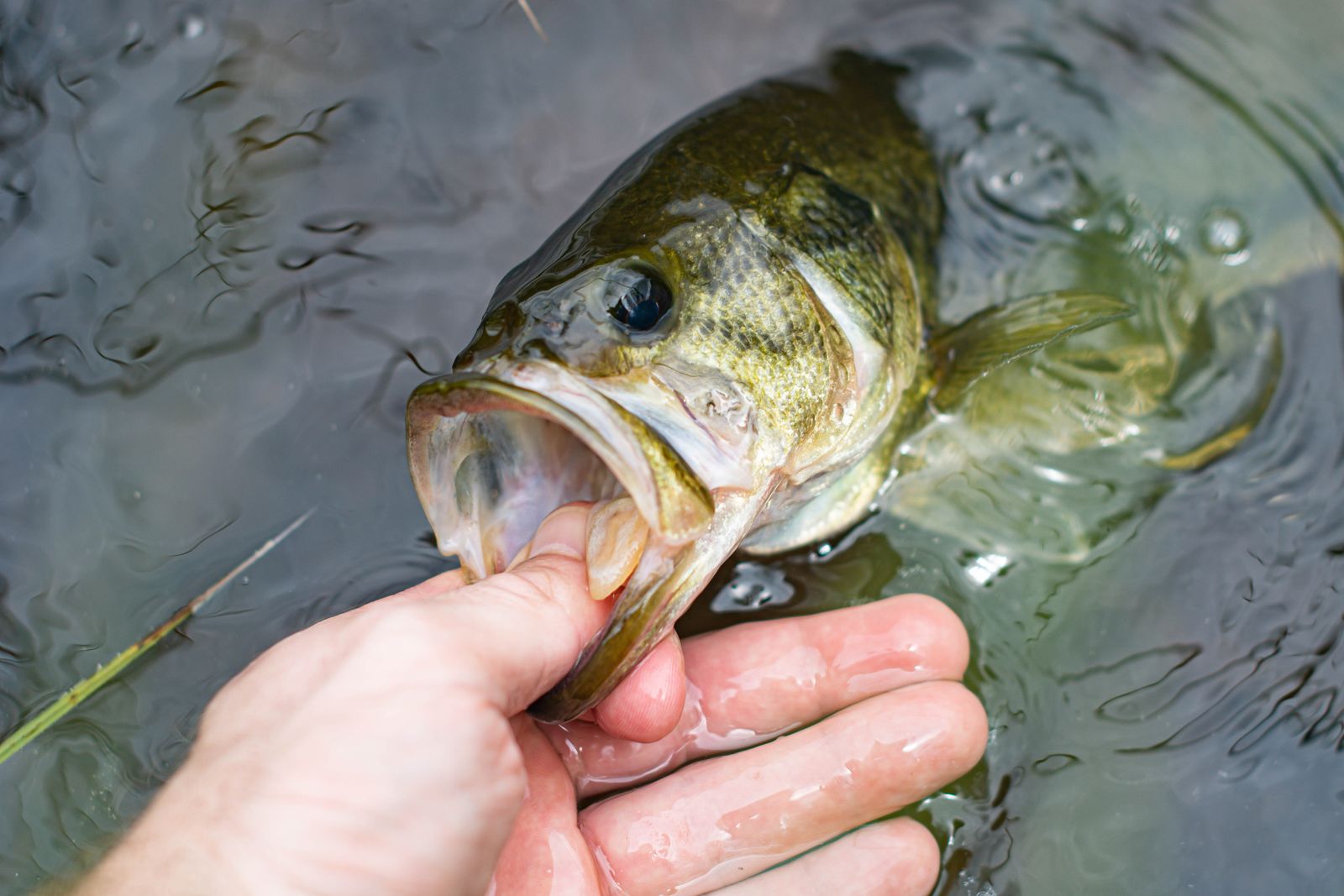
School fish like crappie present opportunities for quick, successive catches when anglers locate productive spots, while bluegill remain abundant and accessible, making them perfect targets for beginners honing their skills. Perhaps most sought-after are largemouth bass, prized for their aggressive strikes and the spirited fights they deliver during the catch process.
Successful small pond fishing begins with proper equipment selection. Fishing experts recommend lightweight spinning rod and reel combinations as the foundation of an effective setup. Rods measuring 6 to 7 feet with medium to medium-light action provide the versatility needed to handle the variety of species small ponds offer.
The tackle box essentials include carefully selected components designed for pond conditions. Bobbers and sinkers prove vital for maintaining bait at optimal depths, while small, sharp hooks sized between 6 and 10 accommodate different fish species effectively. Monofilament line with 6 to 10-pound test strength typically provides the ideal balance of strength and sensitivity for pond fishing scenarios.
Bait selection plays a crucial role in success rates. Artificial options like small jigs, spinners, and soft plastics demonstrate effectiveness across diverse fish species. Live bait options including worms, minnows, and crickets remain readily available and consistently productive choices for pond anglers.

Career Journey
Understanding fish behavior patterns significantly impacts fishing success in small pond environments. Environmental factors including time of day, seasonal changes, and weather conditions all influence fish activity levels. Overcast days and periods just before storms often trigger increased fish activity, while early morning and late afternoon hours consistently prove most productive for anglers.
Seasonal timing affects pond fishing success dramatically. Spring and fall emerge as particularly fruitful periods due to comfortable water temperatures that encourage fish movement and feeding activity. During these optimal seasons, anglers often experience their most successful outings.
Locating fish within small ponds requires observation and understanding of habitat preferences. Drop-offs into deeper water create hotspots for species like bass and catfish, while shallow areas attract fish during warmer periods. Structures including fallen trees, vegetation clusters, and docks provide cover that naturally attracts fish seeking protection and feeding opportunities.
Race Results
Effective fishing techniques vary based on target species and conditions. Float fishing using bobbers to suspend bait proves especially effective for bluegill and crappie. Slow, steady retrieval techniques often entice fish, particularly during cooler conditions when fish metabolism decreases. Casting near cover structures and vegetation yields positive results as fish naturally congregate in these protective areas.
Looking Ahead
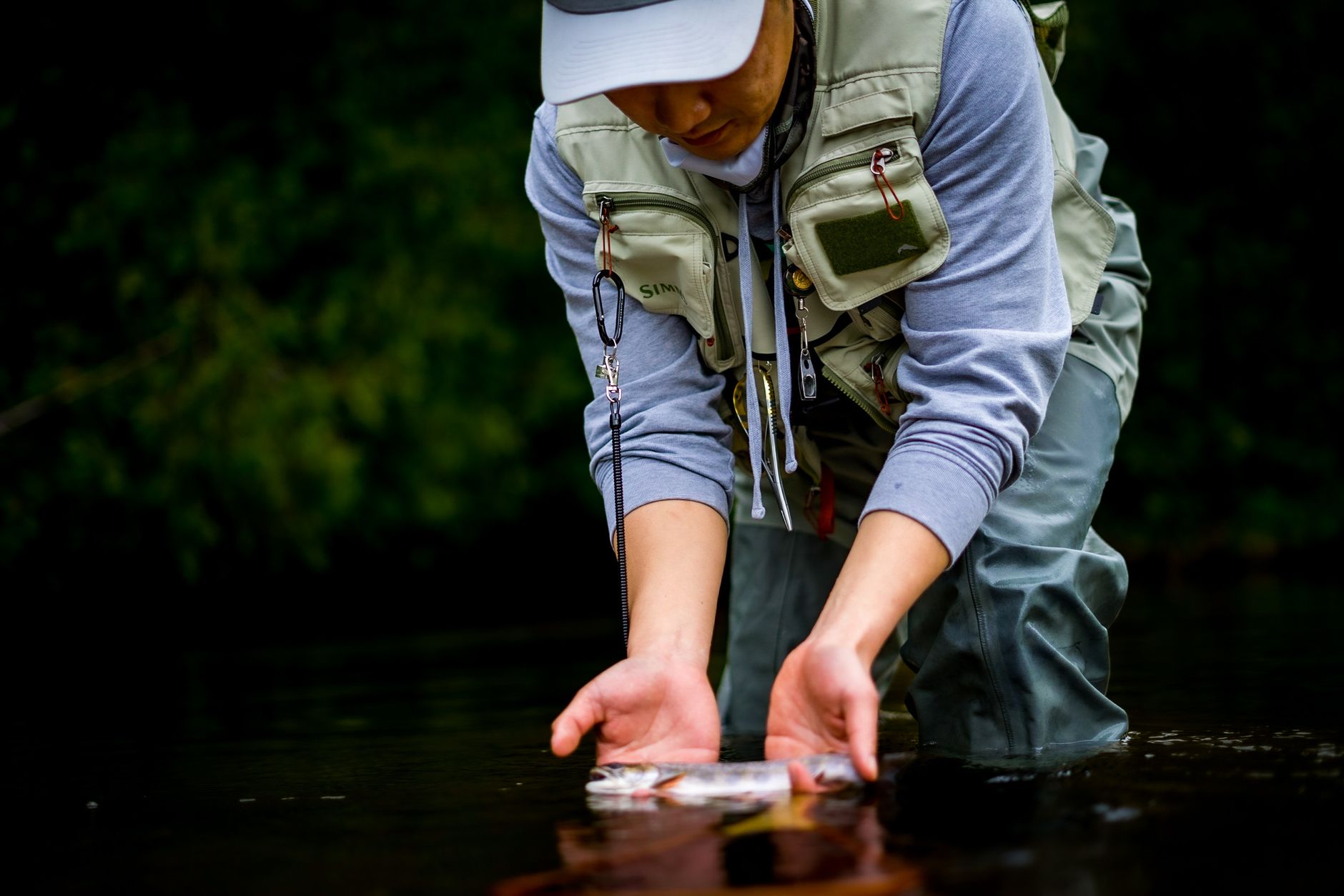
Conservation practices ensure sustainable fishing opportunities for future generations. Catch and release practices help maintain healthy fish populations in small pond ecosystems. Using barbless hooks reduces injury to caught fish, while gentle handling techniques improve survival rates for released fish.
Safety considerations remain paramount during small pond fishing excursions. Staying properly hydrated and protecting against sun exposure prevents common outdoor hazards. The peaceful nature of small pond fishing sometimes leads anglers to underestimate basic safety precautions.
Small pond fishing represents more than just an alternative to traditional fishing venues. These intimate water bodies provide opportunities to develop skills, enjoy nature's tranquility, and experience consistent success that builds confidence and enjoyment. The combination of diverse fish species, manageable environments, and reduced competition creates ideal conditions for memorable fishing experiences.