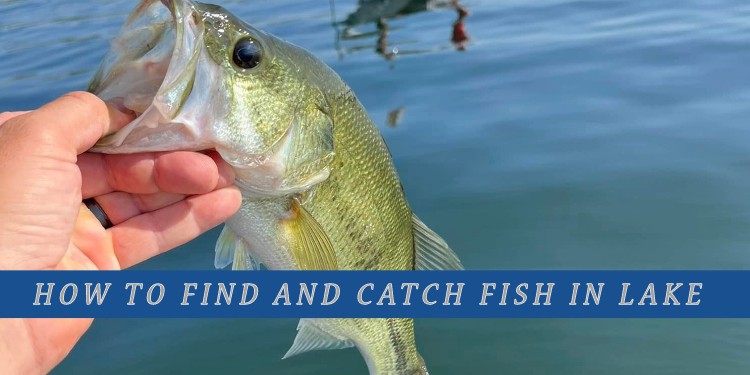
As fishing season continues across the nation's lakes, expert anglers are sharing proven techniques for identifying the most productive fishing locations, emphasizing the critical role of understanding fish behavior and environmental factors.
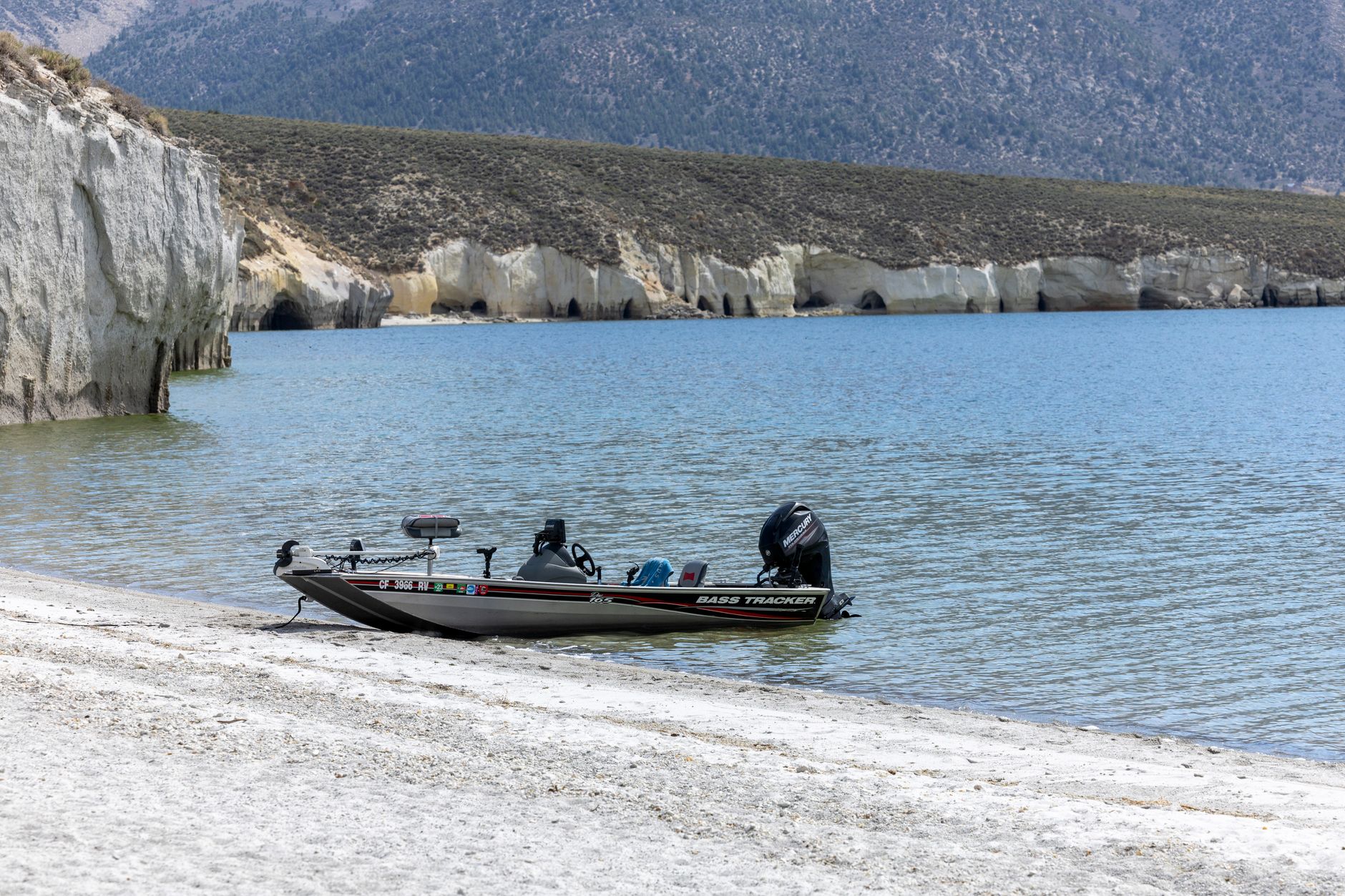
Lakes present unique fishing opportunities, serving as complex ecosystems where natural and artificial structures create ideal habitats for diverse fish species. According to experienced fishing professionals, success on these waters depends largely on an angler's ability to read the environment and adapt to changing conditions.
"Fish are always looking for food and cover," explained local fishing guide Frank Thompson. "Identifying the right structures in a lake is crucial for a successful outing."
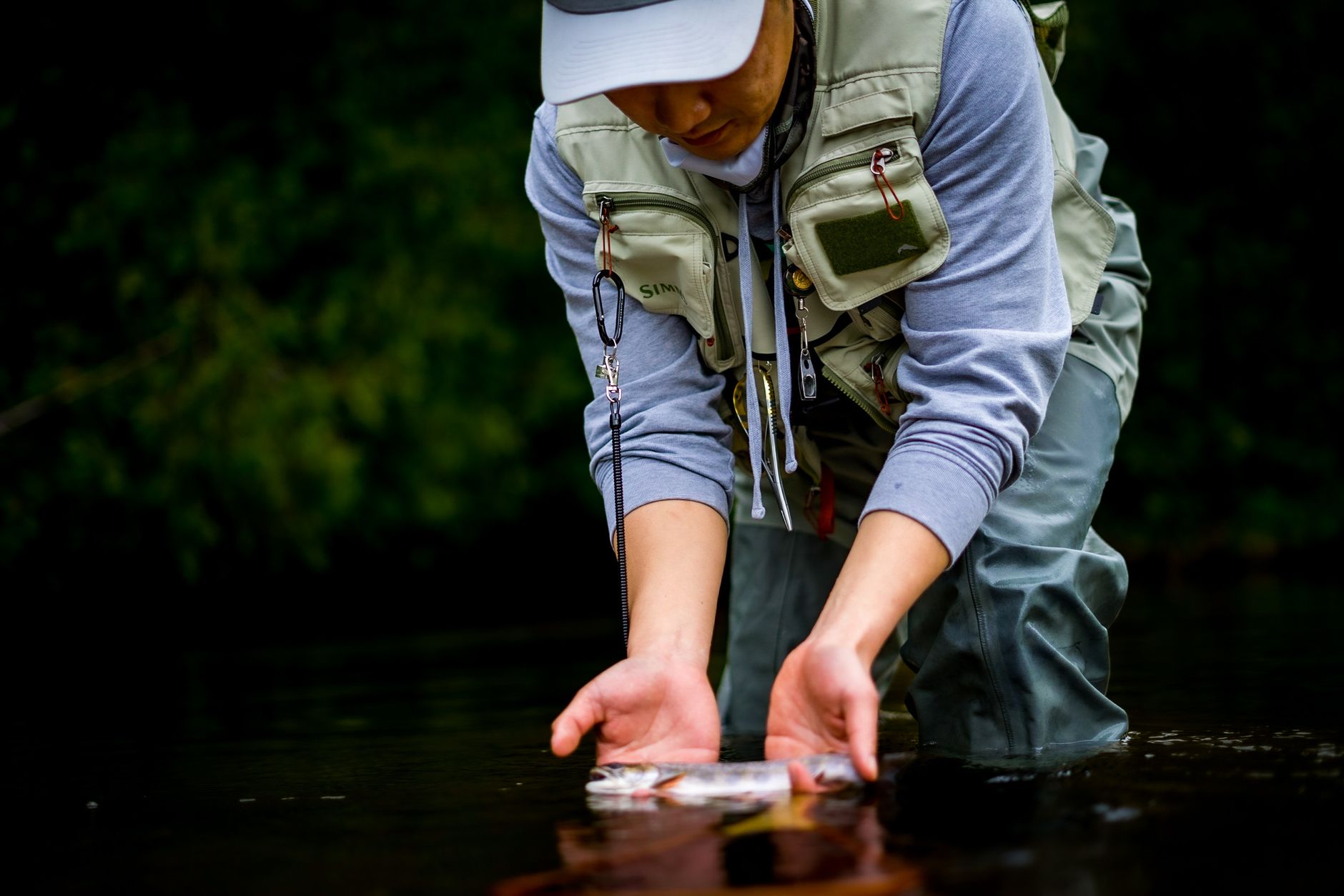
"Fish are always looking for food and cover,"

Championship Implications
The foundation of successful lake fishing lies in understanding how fish utilize their environment. Natural features such as submerged trees, rock formations, and dense aquatic vegetation serve dual purposes, providing both sustenance and protection from predators. These areas become focal points where fish congregate, making them prime targets for anglers.
Impact and Legacy
However, fish movement patterns are influenced by numerous environmental factors that change throughout the day and across seasons. Water temperature emerges as perhaps the most critical variable affecting fish behavior and location.
"You have to pay attention to the water temperature," noted expert fisherman Sarah James. "Fish are cold-blooded, and they'll congregate in areas where conditions are optimal, especially during seasonal changes."
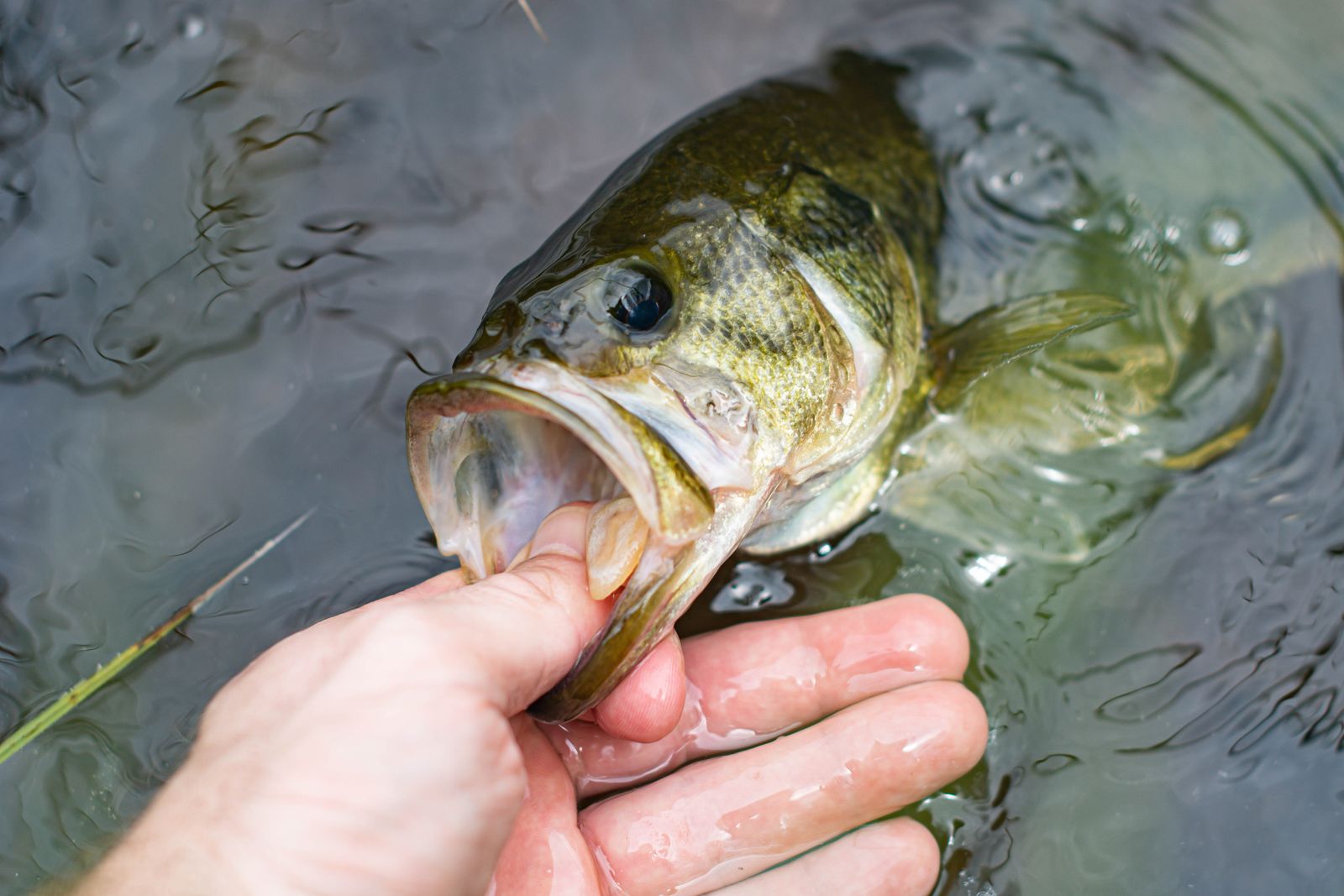
"You have to pay attention to the water temperature,"
Impact and Legacy
This temperature sensitivity means that successful anglers must think beyond simply finding structure. They need to understand how seasonal patterns, daily temperature fluctuations, and feeding cycles influence where fish position themselves at any given time.
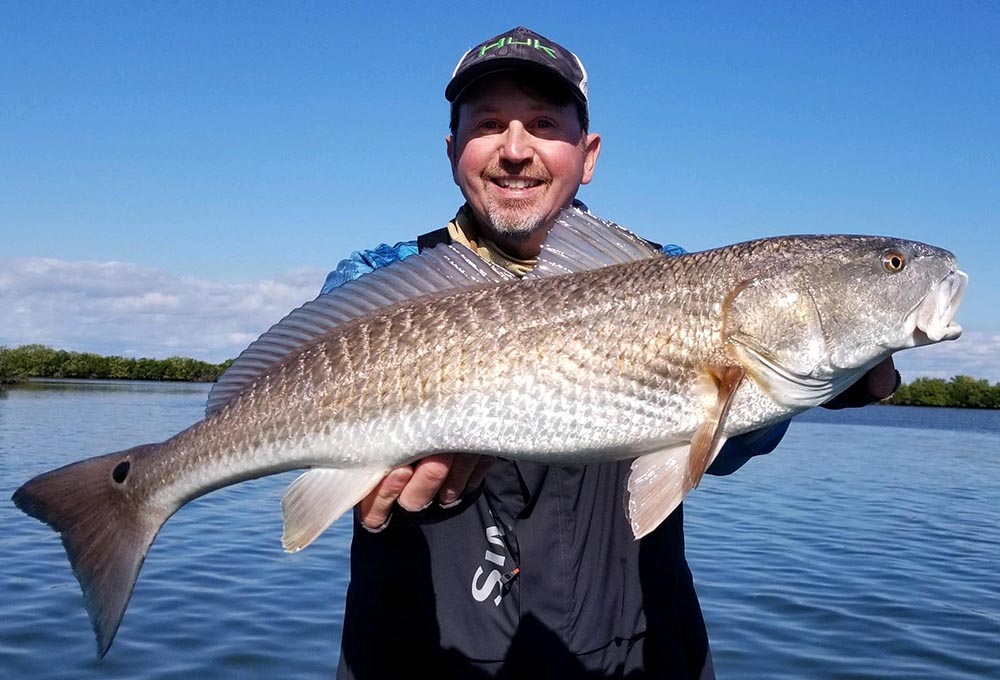
To maximize success rates, fishing professionals recommend a multi-faceted approach that combines observation, technology, and local knowledge. Watching for surface water activity can provide immediate clues about fish location, while modern fish finders offer detailed views of underwater structures and fish positioning.
Perhaps most valuable, however, is tapping into the wealth of local knowledge available in fishing communities.
"Local bait shops and experienced anglers can be a goldmine of information—they often know where the fish are biting," Thompson added.
"Local bait shops and experienced anglers can be a goldmine of information—they often know where the fish are biting,"
Professional angler Mark Rivers emphasized that once productive areas are identified, having appropriate equipment becomes equally important. "Choosing the right equipment tailored for the specific type of fish you're targeting is critical," Rivers recommended.
"Choosing the right equipment tailored for the specific type of fish you're targeting is critical,"
Experts have identified several time-tested strategies that consistently help anglers locate fish in lake environments. Consulting with local guides and bait shop operators provides insider knowledge about current hotspots and recent fishing patterns. This local intelligence often proves more valuable than general fishing advice.
Technology also plays an increasingly important role in modern lake fishing. Fish finders reveal underwater topography and can identify both structure and fish locations, allowing anglers to efficiently scout new areas and confirm the presence of fish before casting.
Nature itself provides additional clues for observant anglers. Waterfowl behavior often indicates underwater activity, as diving birds typically signal areas where baitfish are concentrated, which in turn attracts larger predatory species.
Timing remains crucial for lake fishing success. Early morning and late evening hours during summer months typically yield the best results, while late morning through afternoon periods can be more productive during transitional seasons when water temperatures are more stable.
Visible structures above the waterline often indicate productive areas below. Fallen trees and exposed rock formations frequently extend underwater, creating the complex habitat that fish prefer.
In fishing terminology, "cover" refers to physical structures that provide fish with both shelter and strategic hunting positions. Understanding different types of cover and their seasonal effectiveness can significantly improve an angler's success rate.
"cover"
"Cover is essential, especially on warm days, as it offers shade and [cooler](/gear/cooler) water," Thompson explained. "Knowing where to find cover can lead to finding more fish."
"Cover is essential, especially on warm days, as it offers shade and cooler water,"
"Docks are most effective in late mornings and afternoons when the water heats up," Rivers advised.
"Docks are most effective in late mornings and afternoons when the water heats up,"
Natural structures like stumps and fallen trees often prove even more productive throughout extended periods. These areas remain attractive to fish throughout the day, though they typically see peak activity during early morning and late afternoon feeding periods when predatory fish actively hunt.
"These structures are especially productive in spring and summer when fish are spawning," James noted.
"These structures are especially productive in spring and summer when fish are spawning,"
The combination of understanding fish behavior, utilizing appropriate technology, and leveraging local knowledge creates a comprehensive approach that significantly increases the likelihood of successful lake fishing experiences. As fishing seasons progress, these proven strategies continue to help both novice and experienced anglers maximize their time on the water.