
It could have ended badly, but a humpback whale off Kaikoura wriggled clear of a crayfish pot line within minutes — handing the Department of Conservation (DOC) a chance to drive home a message to anyone setting pots as whale season builds.
The incident took place at South Bay, Kaikoura, around 11am on Tuesday 19 May 2026. A humpback became tangled in a crayfish pot line, then freed itself after about ten minutes, escaping before the rope could do lasting damage.
DOC Marine Reserves Ranger Zac Penman happened to be skippering a department vessel nearby and saw the whole thing. "We're really pleased this whale was able to get free on its own, but it could have been a much worse outcome," he said.
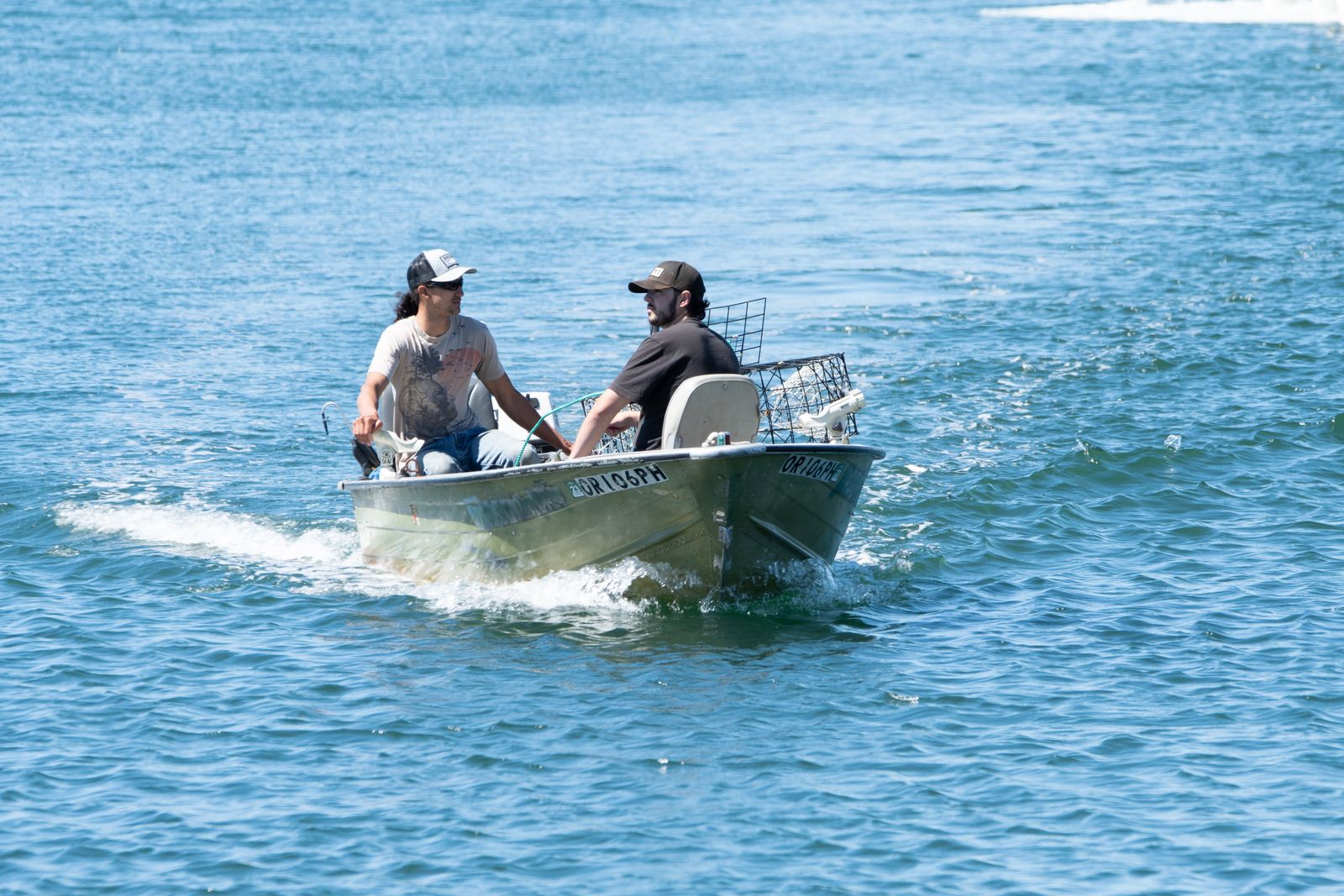
The near miss matters because encounters like it are becoming more likely. Humpback numbers are rising as the population rebuilds, and the whales track up and down the New Zealand coast on their migration from May to August. Their curiosity, their tendency to roll, and their long fins and tails all make them unusually vulnerable to getting caught in ropes and lines.
For fishers, the fix is mostly about good housekeeping. Penman urged that pot lines be kept "only as long as they need to be, and that there's no loose rope floating on the surface." A short, taut line with no slack lying on top of the water gives a passing whale far less to snag on.
DOC is equally firm that bystanders should never attempt a rescue themselves; it is hazardous for the whale and the would-be helper, and specialist teams are trained and geared up for the job. The right move is to call it in. "Please report it immediately to our 24-hour hotline 0800 DOC HOT (0800 362 468)," Penman said.
For the crayfishers and recreational crews who work Kaikoura's rich grounds, it is a pointed reminder that a quick tidy-up of the gear can spare a whale's life. This humpback freed itself. There is no guarantee the next one will.