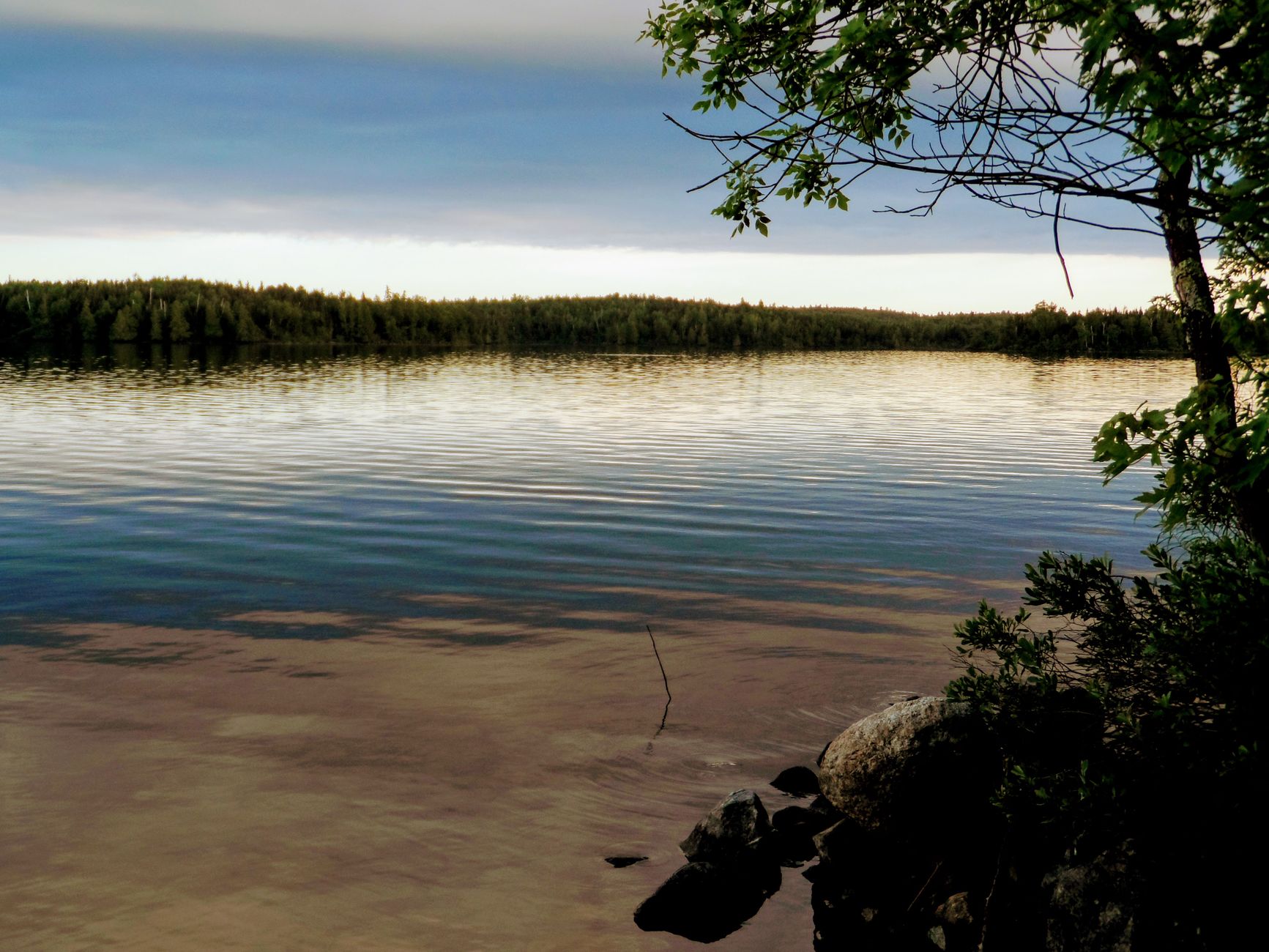
A federal judge has told the Lac du Flambeau Band of Lake Superior Chippewa it cannot shut state-licensed anglers out of walleye and muskie fishing on 19 lakes inside its northern Wisconsin reservation, the latest turn in a dispute that has revived memories of the state's bitter "walleye wars."
U.S. District Court Judge William Conley issued a preliminary injunction this week against tribal officials, keeping them from enforcing the restrictions while a broader legal challenge plays out. The order expands a temporary restraining order Conley granted last month, just ahead of the general fishing season opener.
The fight began in late April, when the state of Wisconsin sued tribal leaders in federal court after the Band passed resolutions to limit nonmember fishing, citing "critically low" populations of walleye and muskellunge on the affected lakes.

Conley was unconvinced that the science justified locking anglers out. He wrote that "aside from the potential, though largely unsubstantiated, harm to walleye and muskellunge populations from non-member anglers, the Band has identified no risk of harm to itself or the public that would flow from a temporary injunction."
The harm, in his view, ran the other way. "The potential harm to the state and public arising from the conflicts, public confusion and legal uncertainty, let alone the harm to anglers from closing lakes to walleye and muskellunge fishing during the 2026 season, are significant," Conley wrote.
At the center of the case is a clash over sovereignty. The state argues, pointing to prior case law, that Wisconsin holds "exclusive sovereignty over" navigable waters within its borders, including those that run through tribal land. The Band counters that it has "inherent sovereign authority" to regulate nonmembers on its own reservation. Gov. Tony Evers had also raised safety concerns rooted in what he described as generations of tension and violence surrounding tribal fishing rights — a reference to the often-violent confrontations over Ojibwe spearfishing in the 1980s and early 1990s.
Tribal officials say their stance is about stewardship, not exclusion. They note the restrictions covered only a small share of the reservation's more than 200 lakes, and that data from the Band's fish hatchery and natural resources department showed worrying walleye and muskie numbers on several waters.
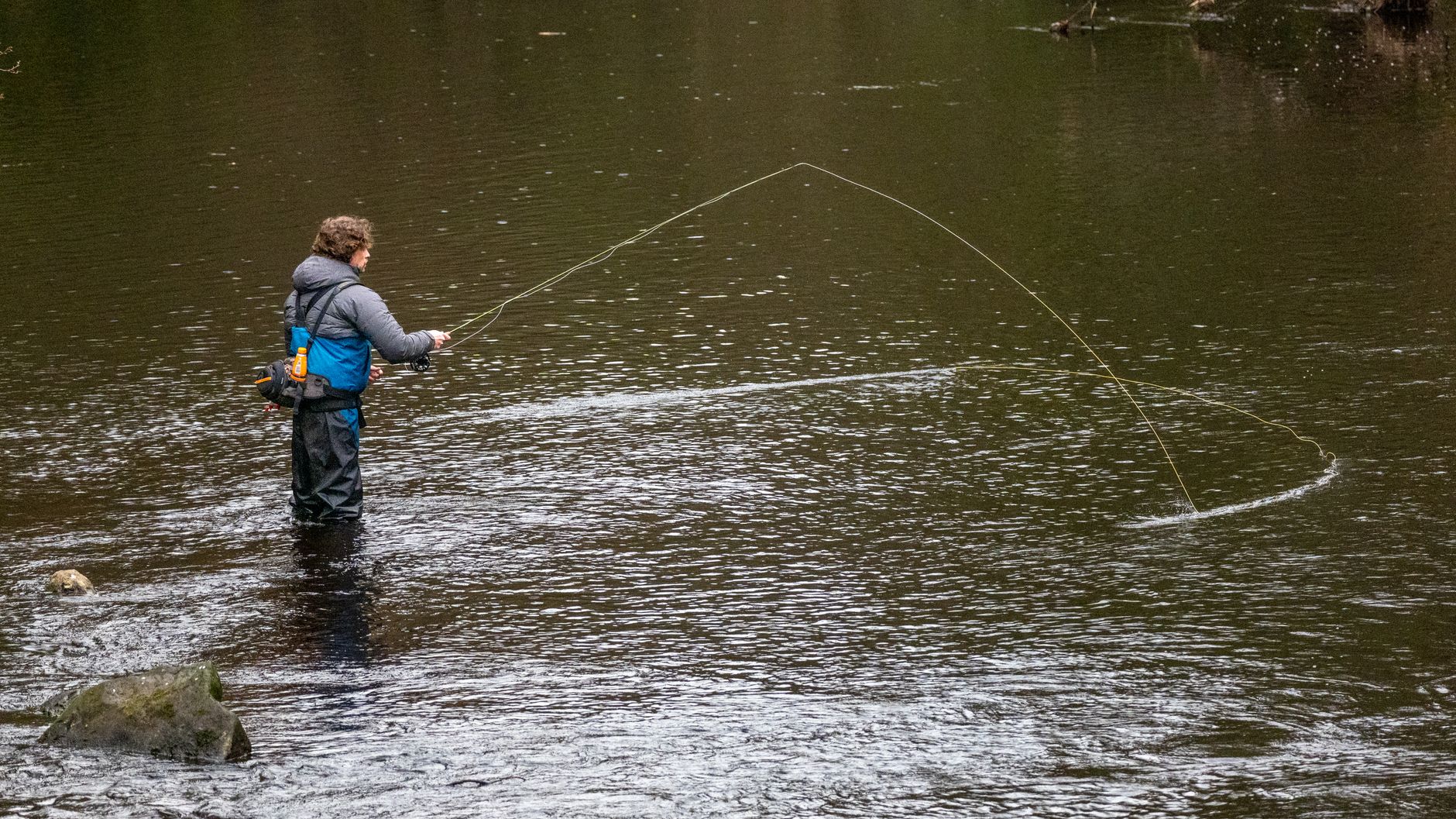
"This decision is disappointing, but it does not diminish the very real concerns we have about the future of our fisheries," Tribal President John Johnson Sr. said in a statement.
"The Tribe took action because we believe protecting these resources is critical for the generations who will come after us," Johnson continued. "We remain committed to defending our right and responsibility to steward the lands and waters."
The injunction settles only what happens during the 2026 season; it does not resolve the underlying question of who gets to regulate fishing on reservation lakes. With the state and the Band each insisting their authority is the controlling one, the case looks set to grind on well past this summer's opener — and to keep a decades-old flashpoint over Wisconsin's lakes firmly in the present.