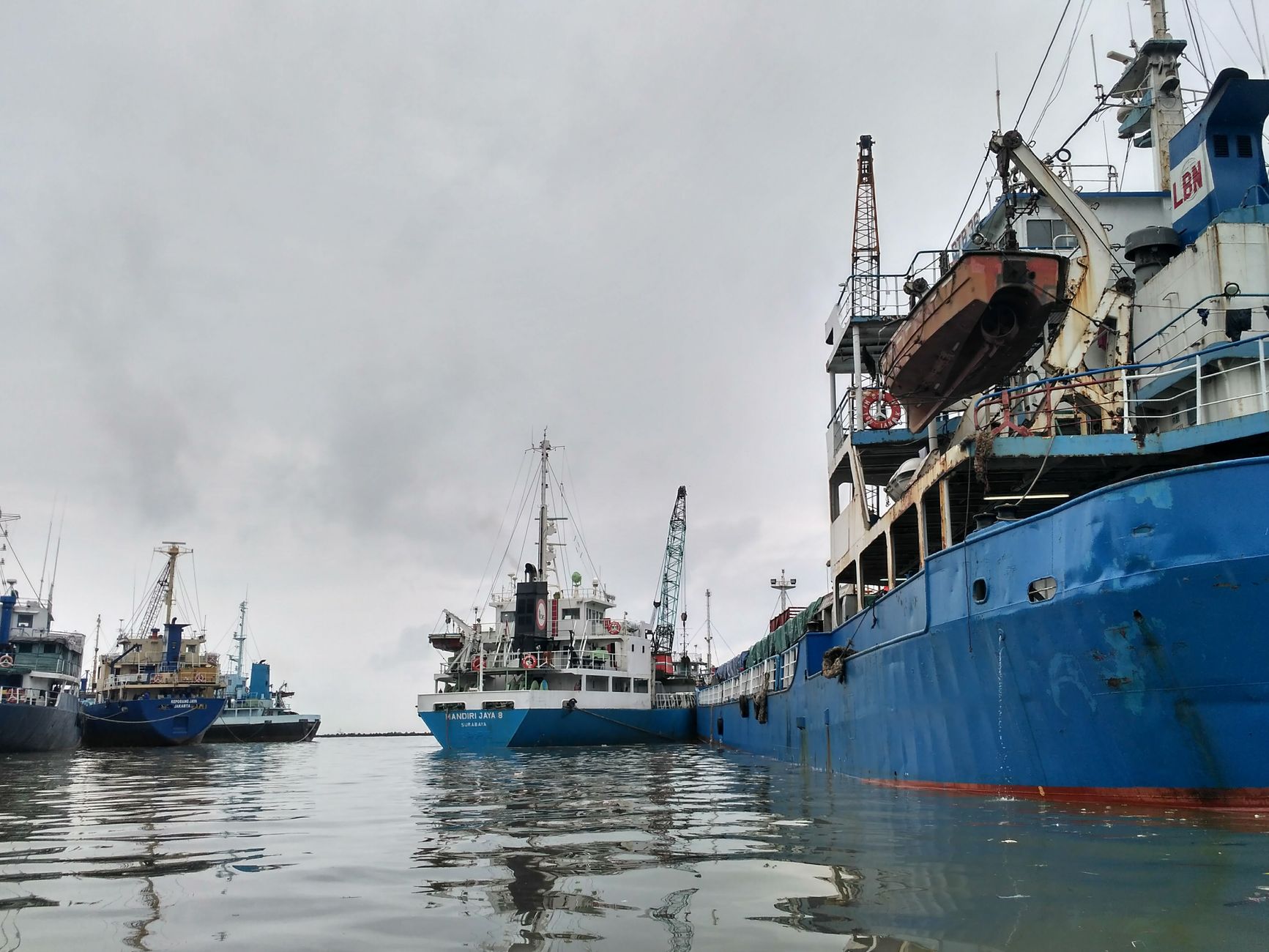
Industrial-scale illegal fishing accounts for eight to 15 per cent of the world's marine wild catch, and the seafood it produces is worth US$6.2 billion to US$12.2 billion a year. That estimate comes from a new analysis in the Proceedings of the National Academy of Sciences by two University of British Columbia researchers, published on 10 August.
The framing matters as much as the number.
"Illegal fishing is not a fringe activity, but a systemic feature of the global seafood economy, enabled by weak governance, harmful subsidies, opaque corporate structures, and complex international supply chains," said lead author Dr Philippe Le Billon, a professor in UBC's Department of Geography and School of Public Policy and Global Affairs.
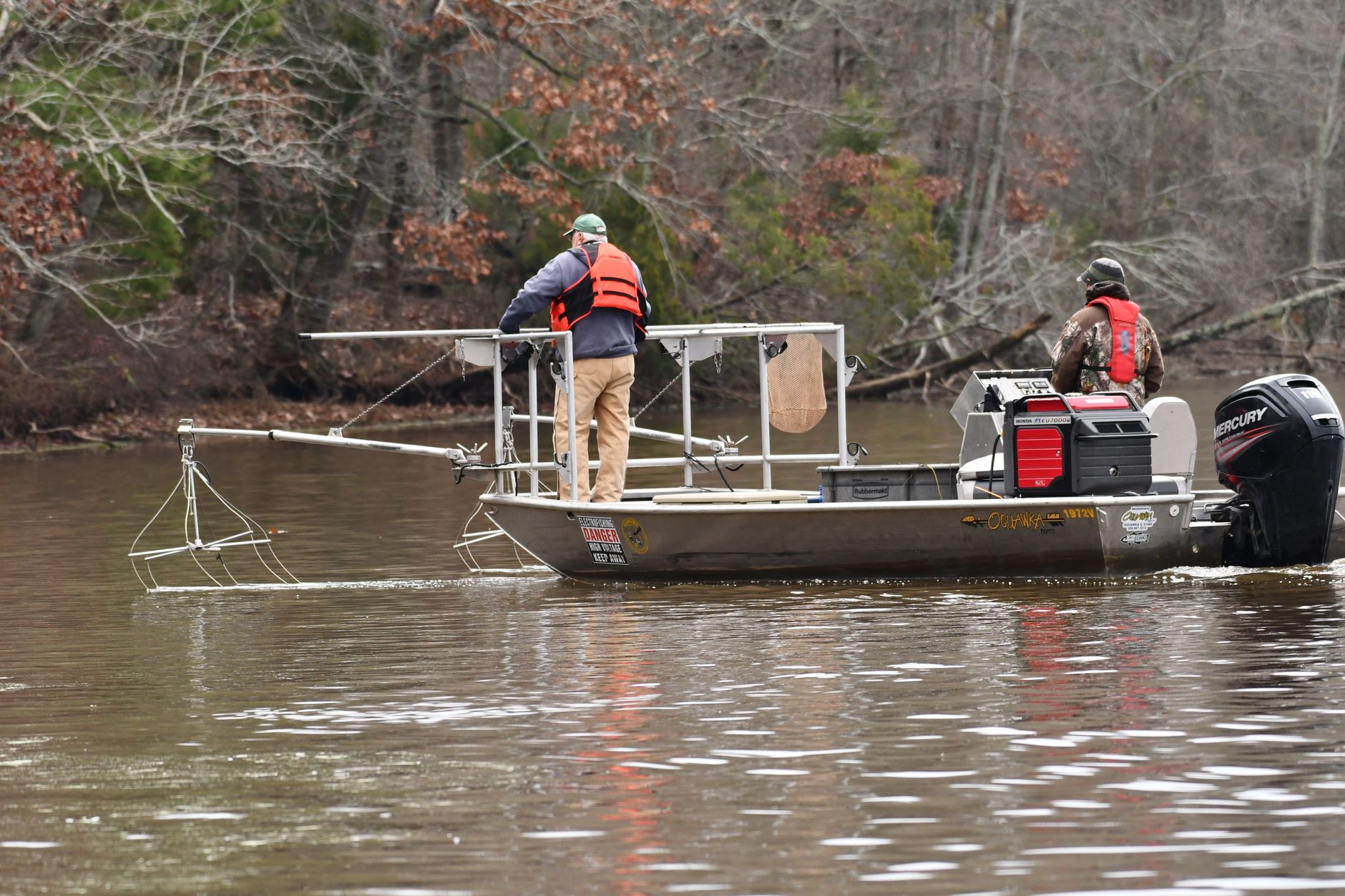
Satellite tracking, AI and electronic monitoring have made suspicious activity far easier to spot over the past decade. Le Billon's point is that detection was never the binding constraint.
"Illegal fishing remains profitable because the risks are low and the rewards are high," he said. "Even as detection improves, enforcement and accountability lag behind — particularly for large industrial fleets operating far from public scrutiny."
The costs fall unevenly. Roughly two-thirds of the illicit trade by value originates in West Africa, East Asia and Southeast Asia, where enforcement capacity is thinnest and fisheries carry the most weight in food security and employment. Much of that fish is eaten in North America, Europe and East Asia.
"The environmental and social costs are borne largely by developing coastal states, while the economic benefits flow elsewhere," said co-author Dr Rashid Sumaila, a professor at UBC's Institute for the Oceans and Fisheries.
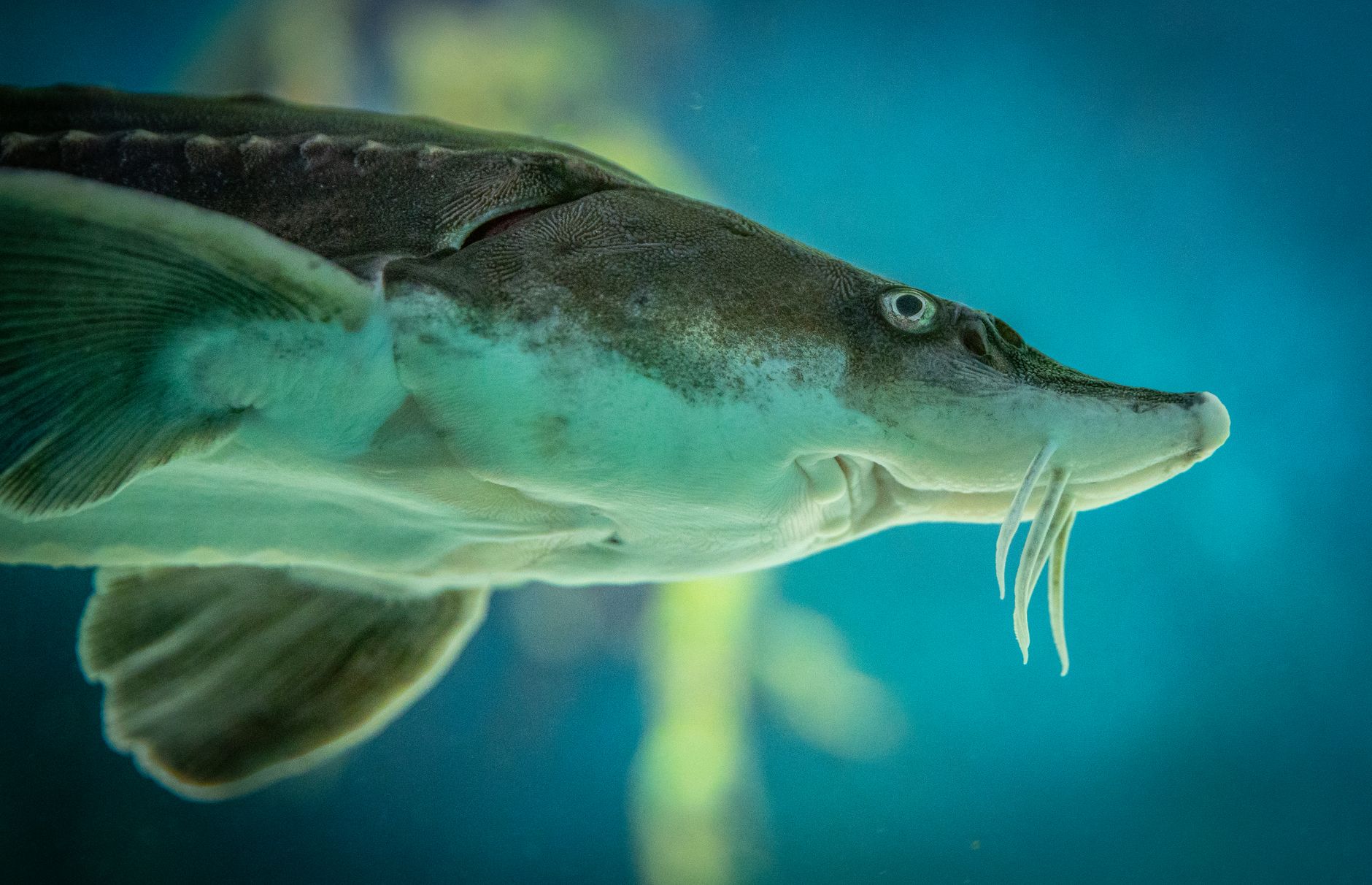
Ghana's fisheries minister, Emelia Arthur, put the same imbalance in national terms at the Our Ocean Conference in Kenya in June. "In my country, our very existence depends on fish," she said in comments reported by the Associated Press. "Over 60 percent of our animal protein comes from fish, and 10 percent of our population depends on the fisheries value chain for livelihood."
The paper is blunt about how illegal fish reaches a supermarket shelf: transshipment at sea, fraudulent documentation, species mislabelling and the simple mixing of legal and illegal catch. Large distant-water fleets, propped up by fuel and other capacity-enhancing subsidies, are named as major contributors — often sailing under flags of convenience, re-registering to dodge sanctions, and hiding beneficial ownership behind corporate layers.
That is why Sumaila's prescription is not more patrol boats.
"Effective action against illegal fishing requires coordinated, multi-level responses," he said. "Reducing illegal fishing is not just about catching more offenders, it is about fixing the systems that make illegality profitable and legal fishing harder — especially for those who depend on the ocean the most."
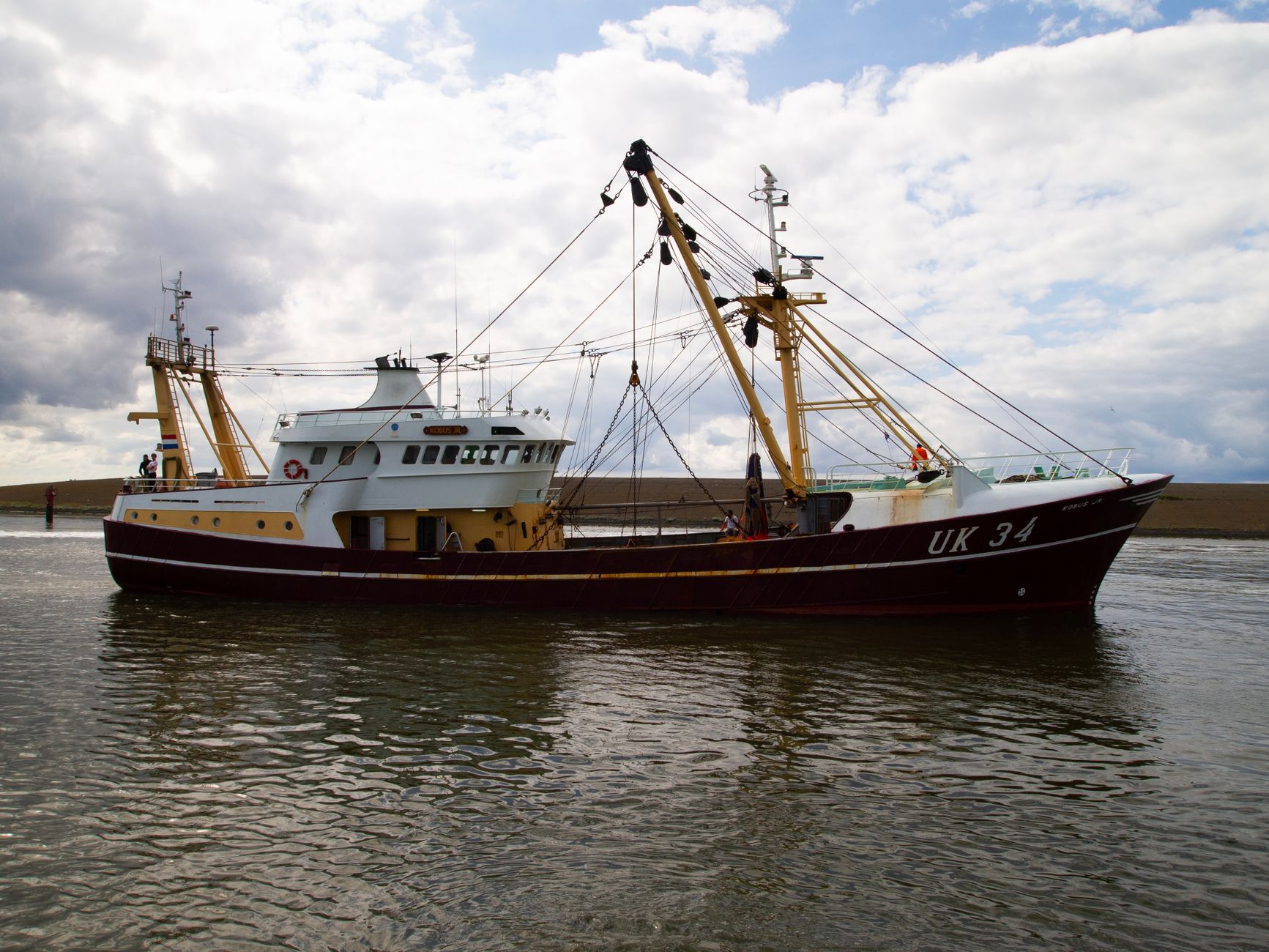
The authors' priority list runs to eliminating harmful subsidies, mandatory electronic vessel identification, stronger port state controls, transparency on who actually owns a vessel, and protections for small-scale and Indigenous fisheries.
Some of that is moving. The WTO ratified its first fisheries subsidies agreement in 2025, though a follow-up round is opposed by India, Indonesia and the United States. The High Seas Treaty entered into force on 17 January 2026. And China, operator of the world's largest distant-water fleet, has now joined the Agreement on Port State Measures.
"To turn these hopeful signs to real action on the water, individuals and civil society have to relentlessly push governments and businesses to tackle illegal fishing," Sumaila said.
The counterweight arrived in the same season. China declined to sign the Mombasa Declaration, the transparency pact backed by Ghana, Liberia, Somalia and a dozen other governments, which commits signatories to digital vessel registries, published licences and unique vessel identifiers.
Not everyone reads the transparency push as insufficient. "For too long, illegal fishing has thrived in the dark," Global Fishing Watch chief executive Tony Long said in comments to Namibian outlet New Era Live. "When governments commit to transparency, they create an interconnected network where bad actors have nowhere left to hide."
France's minister delegate for the sea and fisheries, Catherine Chabaud, was more measured, telling AP that limited transparency in vessel ownership, tracking and supply chains "allow these illegal practices to thrive."
Le Billon's closing note goes past fish stocks. Tens of thousands of crew, he said, "face a high risk of forced labour or unsafe working conditions globally, particularly on vessels operating far from oversight."