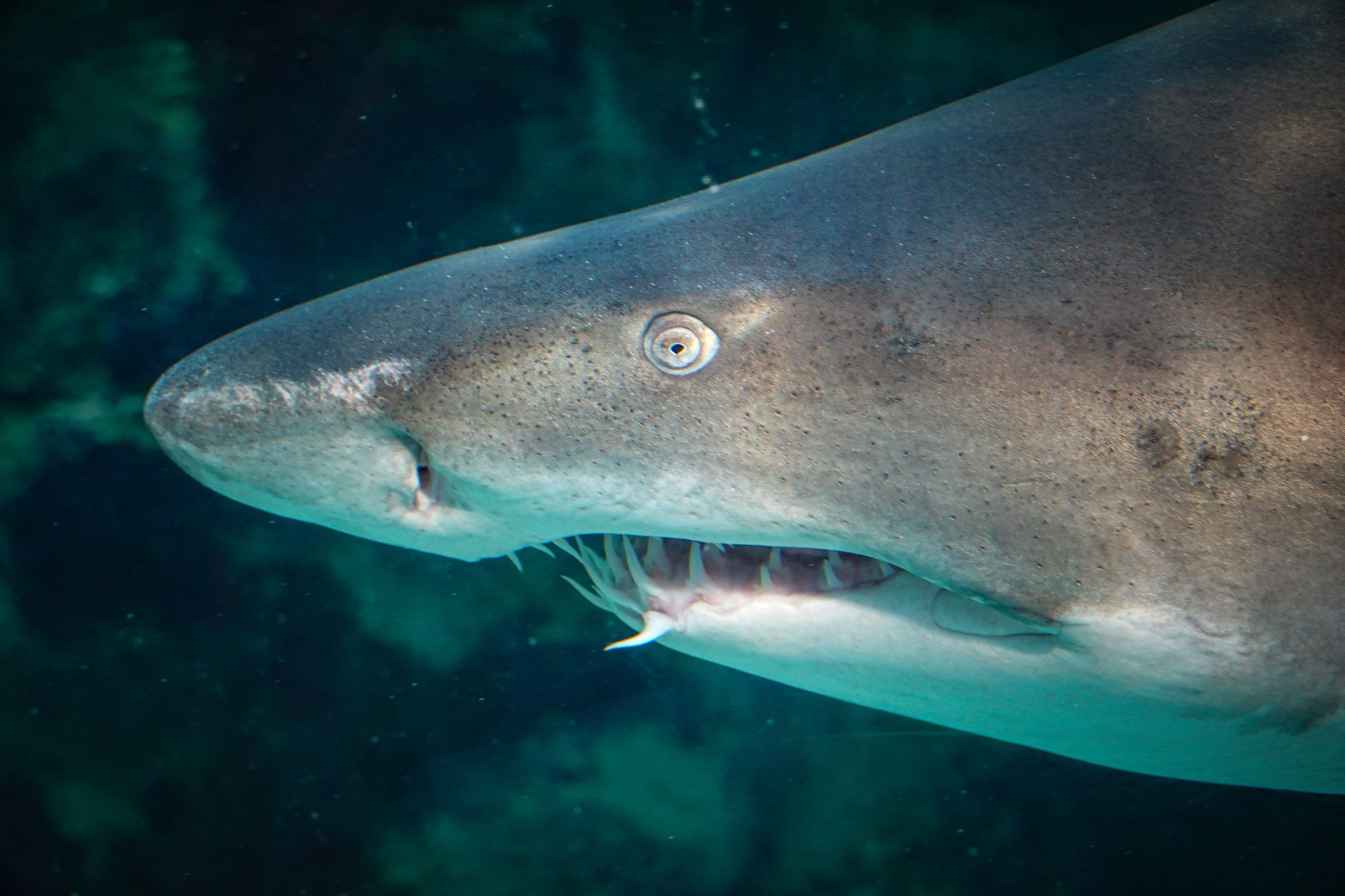
A sport fishing crew working the waters off Virginia Beach got the kind of look most anglers spend a lifetime hoping for — and dreading. Anchored near the base of an offshore wind turbine, the crew watched a great white shark estimated at 14 to 15 feet long circle their boat again and again, close enough to film in rare, crystal-clear detail.
The angler who first spotted it, identified as Davis, said the encounter unfolded in calm, sunlit water that left nothing to the imagination.
"That day was a special day. And when we were sitting there on that windmill base, I seen the shark come from behind the blind side of the turbine," Davis said.
He has crossed paths with great whites before, but never one this size.
"When he came around this port side corner that we got the footage of, he turned the corner sharp," Davis said. "And he was half the length of the boat. So I would say 15ft conservatively, 14 to 15ft, the biggest shark I've ever seen, that's for certain."
Captain Bradley Gray, who captured the footage, said it was the clarity of the sighting — not just the size — that set it apart. The shark surfaced and ran around the boat four or five times.
"We've seen a few great whites, but we've never seen any come up. Well, that you can see that clear," Gray said. "Most time when you see them, it's just a shadow, then it's gone. But that's when he come up. Come up around him several times."

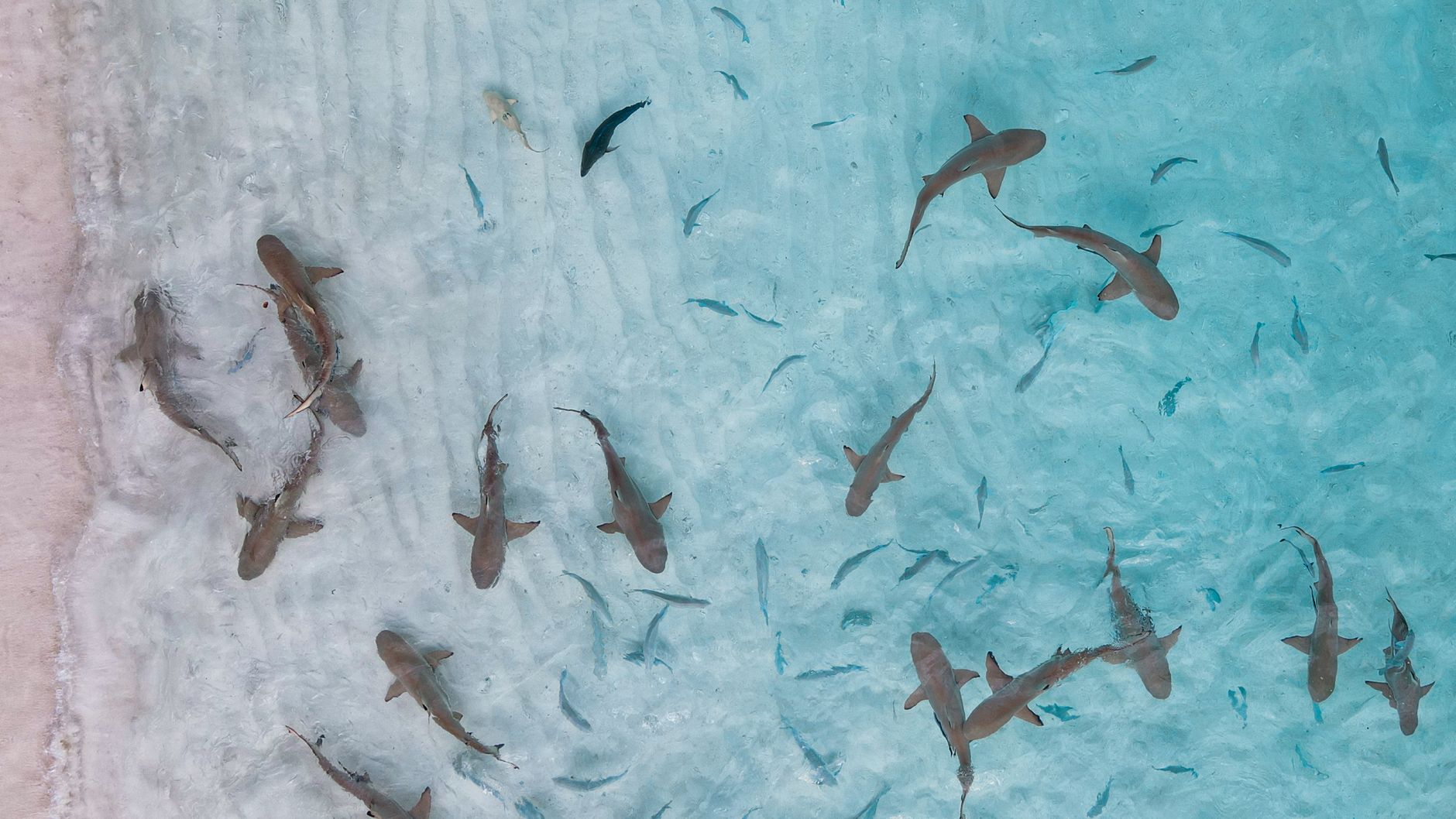
Great whites are moving up the Eastern Seaboard right now, and researchers say sightings will only climb through the summer and into the fall. The nonprofit OCEARCH, which tags and tracks white sharks, has logged a string of pings along the East Coast and Gulf this year as tagged animals begin their northward migration.
Catherine Macdonald, director of the University of Miami's Shark Research and Conservation Program, said the seasonal pattern is well established.
"It's very normal for us to see more sharks off the East Coast, especially as you move north in the summer compared to the winter, partially because they're more likely to be there and partially because someone's more likely to be watching," she told ABC News.
At the New England Aquarium in Boston, scientists confirmed the first white shark of the season off Massachusetts in May and urged the public to stay alert.
"This is just the beginning of white shark season in New England, and it serves as a good reminder to be mindful of the presence of these sharks in inshore waters," said John Chisholm, an adjunct scientist at the Aquarium's Anderson Cabot Center for Ocean Life. "Their numbers will continue to increase throughout the summer with peak activity occurring in the fall."
The resurgence is, in large part, a conservation success story. Decades of protections in the Atlantic have allowed white shark populations to rebound, while drones, sharper cameras and social media mean more of those animals are being seen and filmed than ever before.
"There's more than 540 species of shark on the planet, and the vast majority of them rarely come into contact with people but wouldn't be a threat to them even if they did," she said.
For Davis and Gray, the day ended the way every angler would want: with the footage, the story, and a healthy shark swimming back into the deep.