An obscure idea has just earned a national review: glass-bodied lures, made by hand on Australia's east coast, that sink almost four times slower than the equivalent lead.
Fishing World's Zac Panaretos has put the Glasseye range and matching Hikari jigheads through their paces in his latest test, and the headline finding will not surprise anyone who has watched a snapper or bass commit on the drop. Slow sinking equals more time in the strike zone, and slow sinking is exactly what glass delivers.
"Glass is 4x less dense than lead. 10 grams of lead will be 4 times smaller than 10 grams of glass," Panaretos writes.
The Glasseye line splits into two main lure profiles. The Oba-Ke is a 17 gram body retailing at A$29.95, while the smaller 7 gram Bubba-Ke comes in at A$21.95. Both are designed to be fished much like soft plastics or vibes, on a cast-and-hop retrieve that lets the lure dance and flutter on a controlled descent.
For the reviewer, the Bubba-Ke in particular delivered exactly the kind of bite his retrieve was set up to draw.
"They mostly got eaten on the drop," Panaretos noted.
Sitting between the lures and the line is the Hikari jighead system, sold three to a packet at A$17.95 in 6/0, 3/0 and 1/0 sizes. Panaretos singles out the 6/0 head as a standout in shallow water snapper work to about 15 metres, where keeping a soft plastic or live bait suspended just above the strike zone has long been the difference between a solid bag and a quiet day.
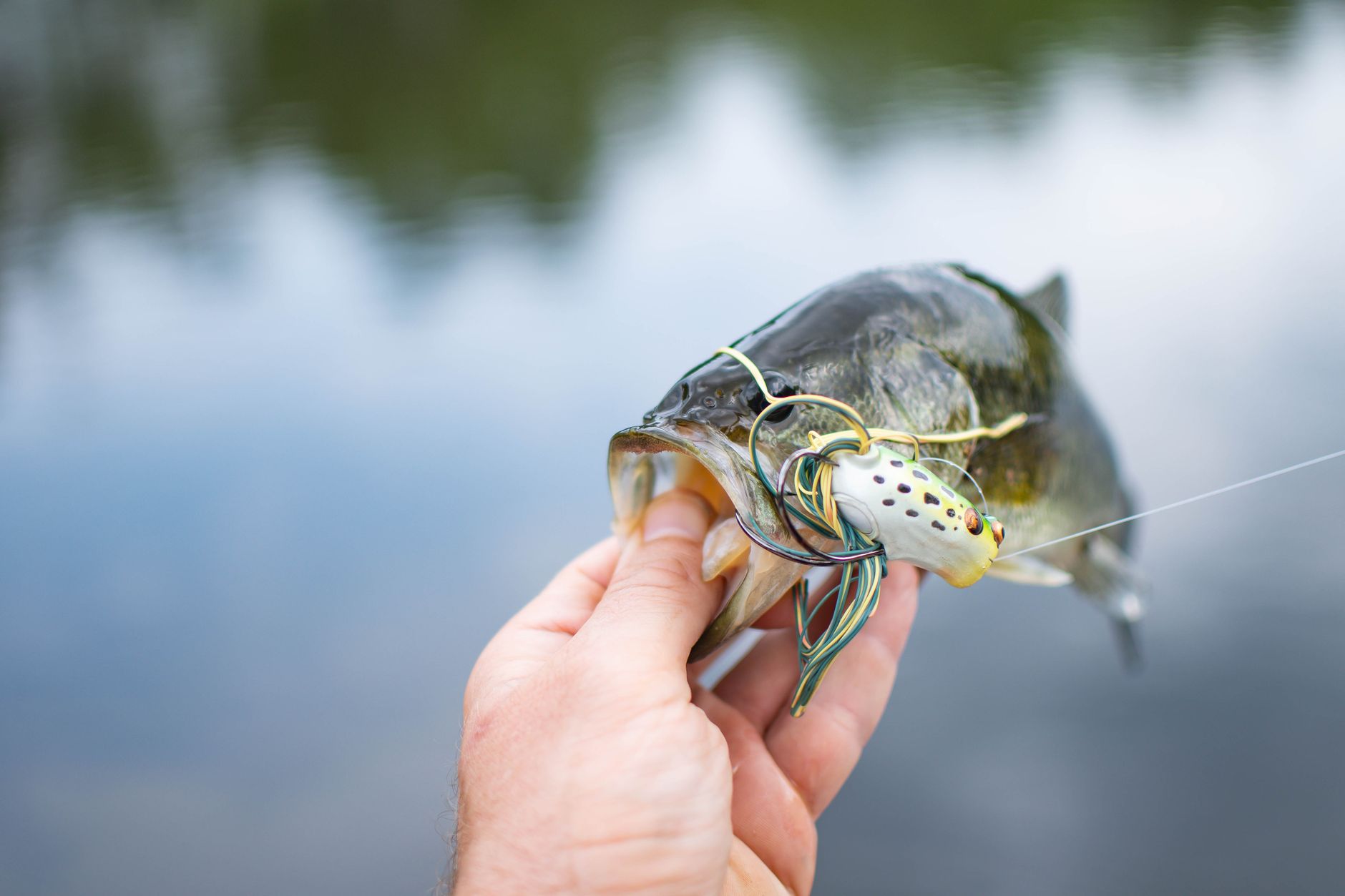
"The slower the lure sinks, the longer it is in the strike zone," he writes.
Target species through the test included flathead, snapper, Australian bass, mangrove jacks and jewfish, with both inshore estuary work and shallow reef sessions covered. The reviewer reports clean tracking on hops, predictable rates of fall and a body shape that has held up to the kind of toothy abuse those species inflict.
There is one obvious wrinkle. Glass is heavier per unit volume than air but lighter than lead, which means a 10 gram glass head occupies roughly four times the space of a 10 gram lead head. For anglers used to compact lead jigheads, that takes adjustment. Bigger silhouettes tend to spook spookier fish, but they also push more water and can be easier for predators to track on a long drop.
For a small Australian builder, getting a tested review in front of a national fishing audience matters, and Panaretos goes out of his way to defend the price point.

"The price range isn't something to be put off by. These lures are not mass-produced and are made on a small scale by two young Aussies," he writes.
The lures are sold direct from Glasseye and through a small number of specialist tackle stores. For anglers who already lean on slow-fall presentations - whether targeting big snapper on shallow reefs, mangrove jacks tight to structure, or deeper hole-dwelling jewfish - the Glasseye range now sits in a category with very few Australian-made competitors.