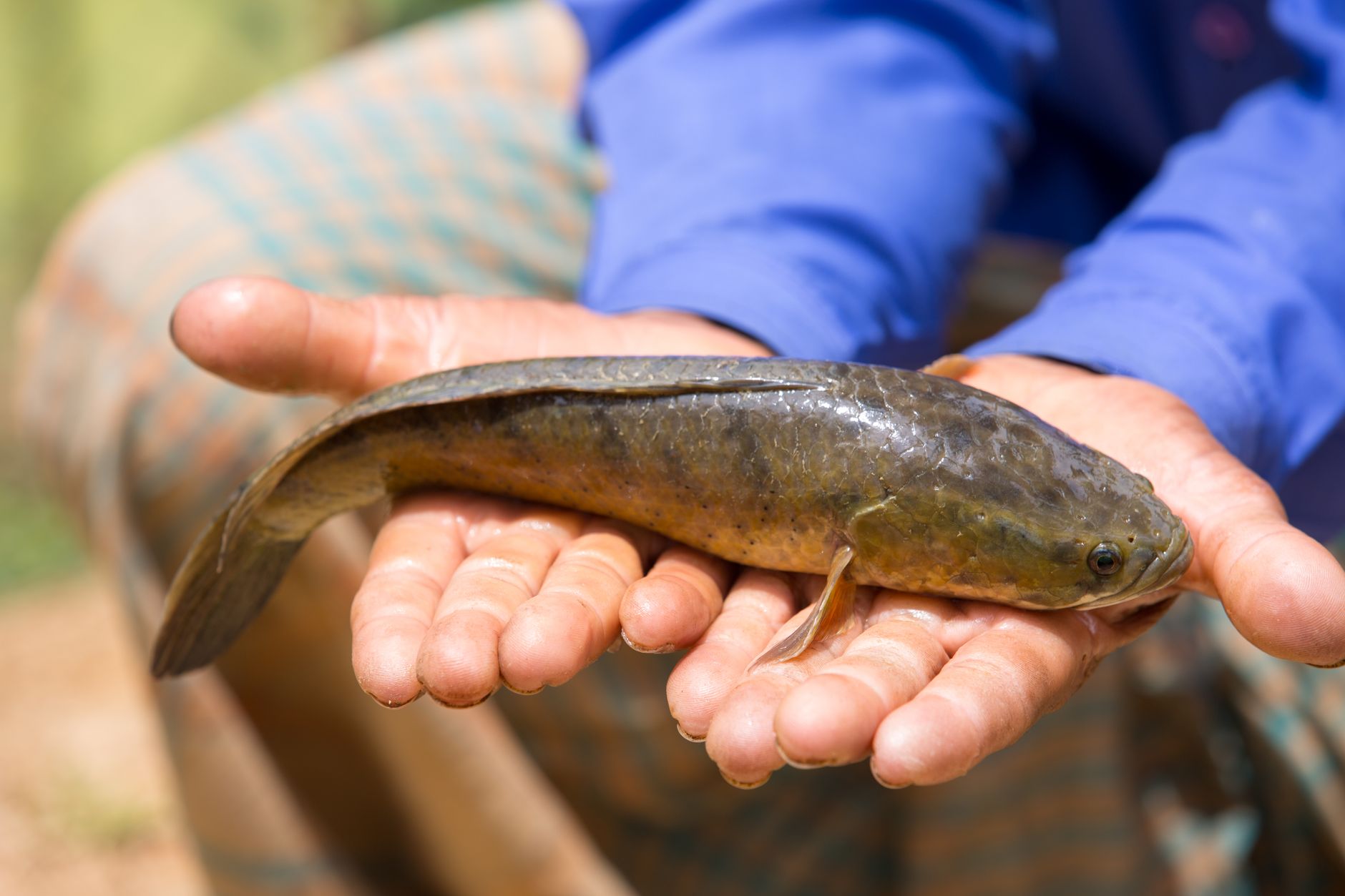
A fish that breathes air and can squirm across damp ground has reached Long Island, and the response says a lot about how differently anglers and regulators see the same catch.
The northern snakehead — native to Asia and long established farther south — showed up in Lily Pond next to Lake Ronkonkoma in Suffolk County, the first confirmed sighting on Long Island. Angler Vinny Conwell landed the first publicly recorded one on May 21. State crews have since pulled at least three from the pond, and New York's Department of Environmental Conservation (DEC) is running electro-fishing sweeps to find any others before they move on.
For the DEC, there is no upside. Heidi O'Riordan, the agency's Region 1 fisheries manager, explained why a top predator with no local check is dangerous: "It doesn't have a predator; it's kept unbalanced. It will eat the native fish and really it'll upset the balance." And yes, the fish lives up to the headlines — "Certainly, these fish can walk on land, they can cross the road," she said.
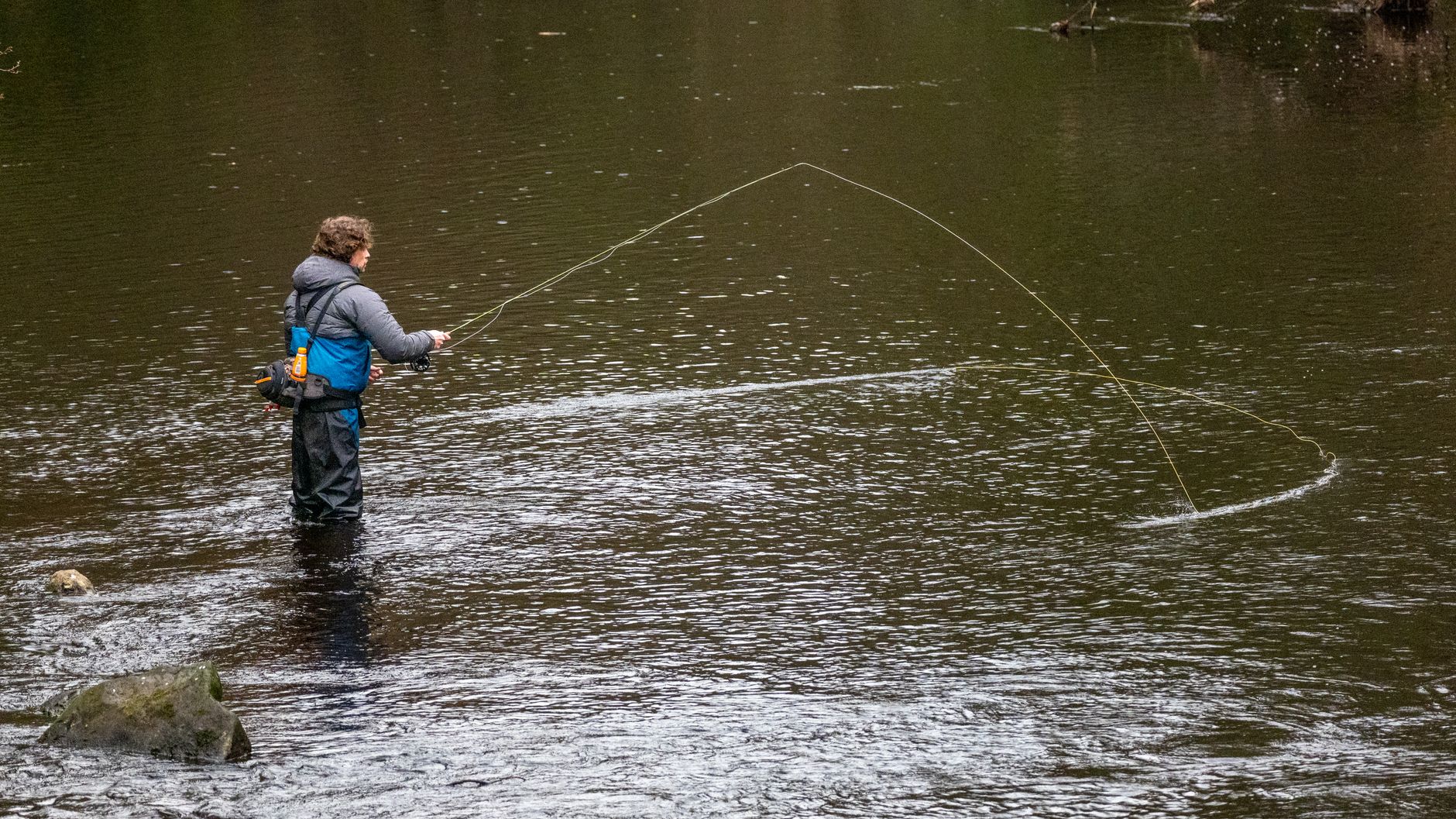
New York will not be following the southern states that have folded snakeheads into their fisheries. "Other states deal with it in different ways, but in New York, we put a lot of effort into preserving our water, so this is not something we want here," O'Riordan told ABC7. Lake Ronkonkoma's existing fishery is what she is guarding: "We really want to be on top of it and get rid of them quickly because we have Lake Ronkonkoma['s] bass wildlife, so having the snakehead move in there would not be a good situation," she told CBS News New York.
Plenty of anglers see it the other way. Conwell, who sent his fish to Florida to be mounted, rates the species as serious sport. "These fish are some of the hardest fighting species you can catch," he told Wired2Fish, and he is convinced they have been around far longer than the headlines suggest: they "have been here for many years. It was only a matter of time before someone made it public that they caught one." The "Frankenfish" framing irritates him. "It's a shame that they've gotten the reputation they have," he said. "These fish are not going to cause any kind of problems to the general public."
The clash spilled onto social media as videos of the catches spread. The Cool Down quoted one fisher marvelling, "These fish are so awesome. The fight. Everything about them is great," while neighbours worried about a lake on the mend pushed back: "I don't want this thing affecting Lake Ronkonkoma. It's getting a little cleaner, so we don't need invasive species."
Whatever an angler thinks of the fish, the law is fixed. "When an angler catches a snakehead in New York, you CANNOT RELEASE IT," O'Riordan said. Anglers are told to kill any they catch, photograph the fish, mark the spot and report it to the regional fisheries unit, keeping it frozen for sampling. The DEC suspects the pond population traces back to an aquarium dump or a live-market release.
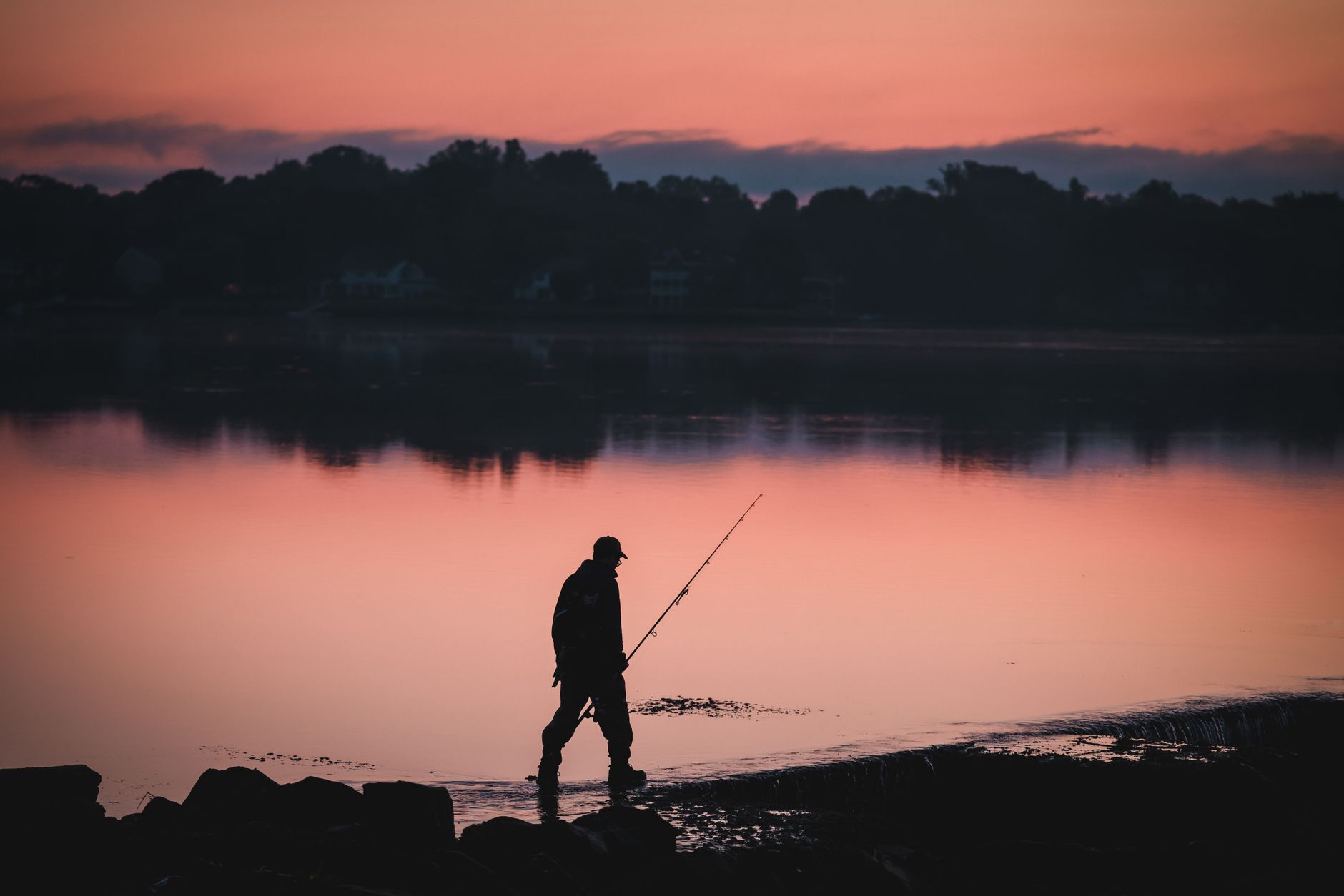
The Long Island pond is only one flashpoint. The New York Times reported in May that snakeheads are turning up in waterways from New York to Florida, with Chesapeake Bay managers now encouraging bowfishers to cull them using high-powered compound bows. New York is sticking with electro-fishing for now, and with the goal DEC biologist Kevin Jennings summed up plainly: "Hopefully we can get it before they move to any other locations."