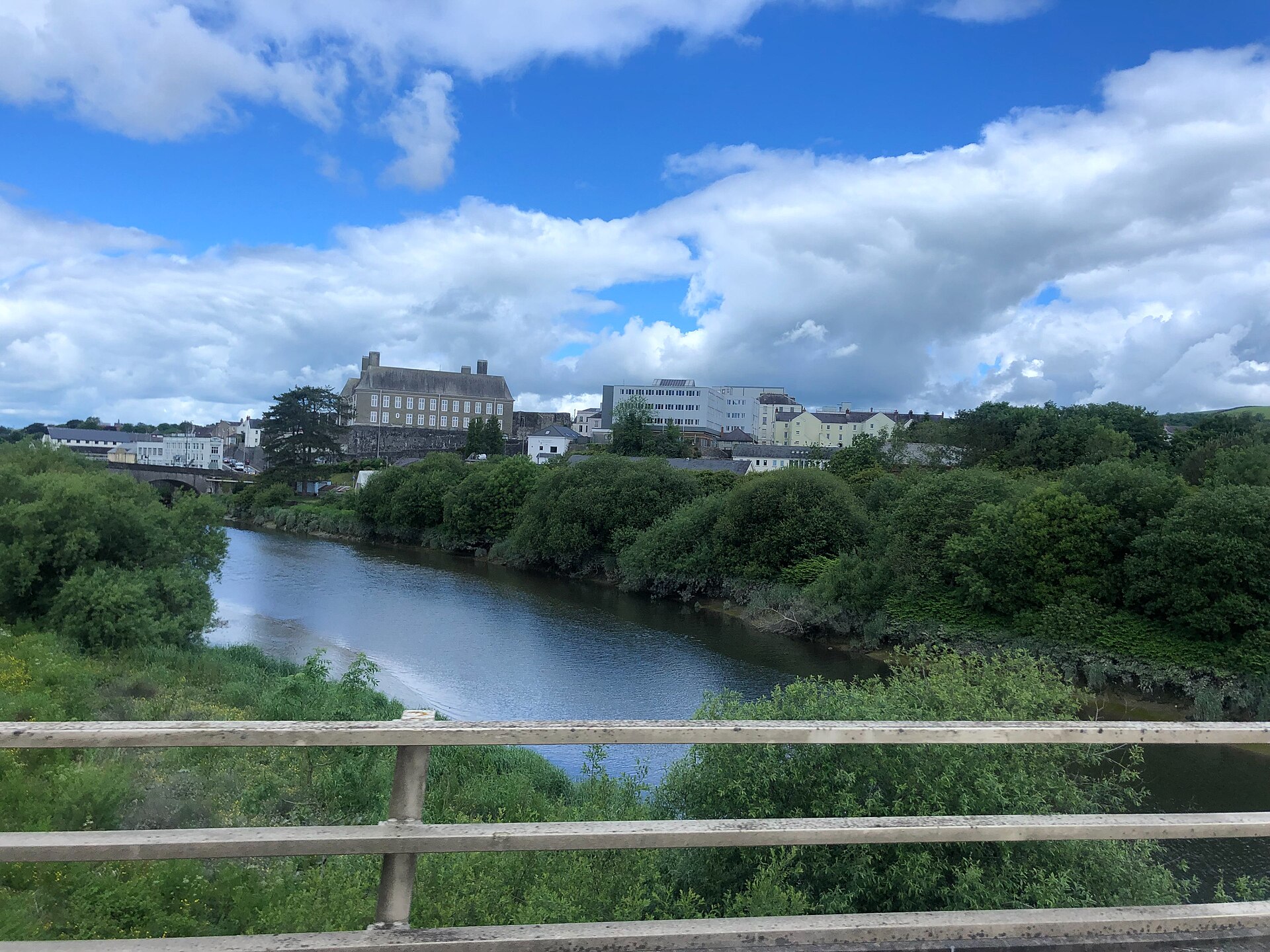
Four men worked the River Tywi in coracles this season. Between May and July they caught twelve fish.
Keith Elias caught one of them. His family has fished this stretch of Carmarthenshire water for 300 years, and he described the state of it to BBC Wales as dire.
"It's been in my family for so long, I love carrying the tradition on, but it's getting to the point where you get to the end of the season and you're not hitting fish," Elias said. "You just don't want to go."
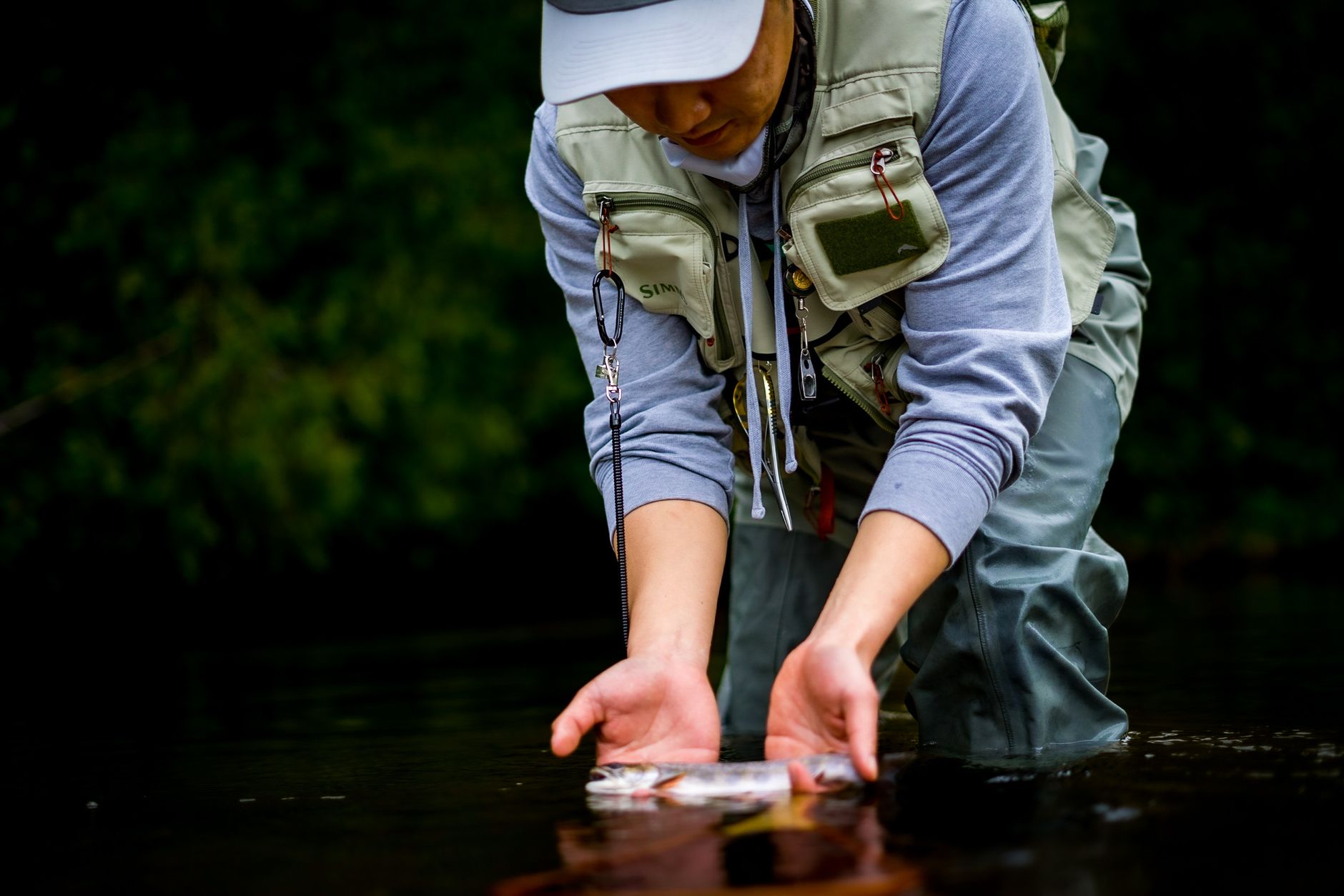
Coracle fishing on the Tywi is done at night, two men to a pair of small round hide-and-lath boats, a net strung between them, working for salmon and sewin, the Welsh sea trout. It stopped being a livelihood generations ago. It has survived since as heritage, and heritage only survives while there are fish.
Andrew Davies, 63, chairs the Carmarthen Coracle and Netsmen's Association, and put this year in the context of a working lifetime.
"I've been fishing for 38 years, I've never seen a season as bad as this," he said. "When I first started, this river was black with fish, it was alive with fish. But it's gone now, there's no life in the river."
"People have just, I won't say given up, but the enthusiasm's gone," he said.
Testing by the campaign group Save the River Tywi has found evidence of industrial, agricultural and human waste pollution. Separate community-led sampling by the Carmarthen Riverside Association, supported by the University of Wales Trinity Saint David, found elevated phosphates, nitrates and nitrites at several points on the lower catchment. One mid-May reading hit 2.50 mg/L of phosphate, the ceiling of the testing kit's range.
The Tywi River Festival was cancelled in July. Russell Sparks, mayor of Carmarthen and, by ancient custom, Admiral of the Port, has been saying the quiet part out loud since June.
"The evidence is clear, the river is dying, we must act now if we don't want to see the extinction of our salmon and sewin as predicted by 2030 by NRW," Sparks said when the festival was called off. Speaking to the BBC this week, he described a slower kind of grief: "Over the last couple of years it's been really sad to see it, feel it and smell it."
Attention has settled on an outfall linked to the Mekatek electronics recycling site at Johnstown, which holds a discharge licence from Natural Resources Wales. Nation.Cymru reported in July that the coracle association had shared footage of discharge into the river. Mekatek said it shared concerns about the fall in sewin and had spent more than "40 years developing and improving our processes to ensure we are not a factor in that reduction", adding that "anyone wishing to understand what we do and how well we do it is more than welcome to arrange to visit the site and view our operations for themselves."
NRW has said foam at the outfall could come from the treatment process and does not necessarily indicate pollution; it identified an intermittent fault in Mekatek's anti-foam dosing system, since repaired.
Huwel Manley, NRW's head of south-west operations, listed the pressures as pollution, dry weather, rising water temperature and wider ecological problems, then confirmed the enforcement position: "We currently have a number of ongoing enforcement and compliance investigations within the Tywi catchment, including cases that are progressing towards court proceedings."
The Welsh government said NRW had investigated recent reports of foam, odour and discolouration and "confirmed the impacts were linked to natural environmental conditions" - a finding hard to square with what the netsmen say they are pulling from the water.
Welsh Water, which has faced its own criticism after the nearby Teifi recorded 2,232 spills over more than 22,000 hours in 2024, is committing £889m to storm overflows between 2025 and 2030, including six Tywi projects. "This isn't just an issue for water companies," it said. "Collaboration is needed across sectors, including industry and agriculture."
Carmarthenshire MP Ann Davies wants firmer action against repeat polluters, and, farming herself, is not letting agriculture off. "We have a collective responsibility on what we buy, what we flush down the toilet," she said.
Andrew Davies has reported pollution to NRW, he says, all the time. "Nothing seems to be done. I think something needs to be done to clean the rivers up in Wales, people have been dodging the bullet."