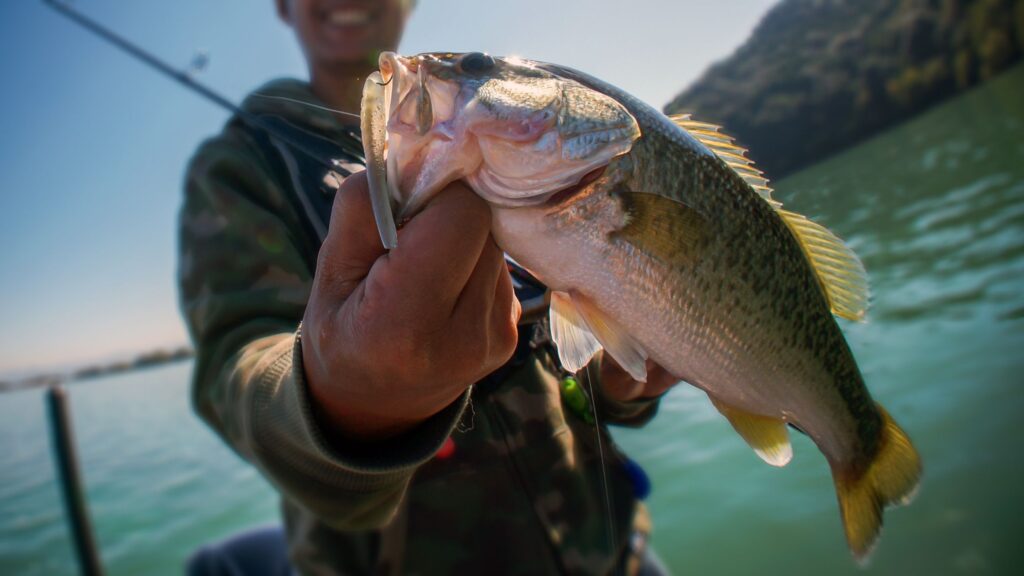
Fishing is an age-old practice that has evolved from a means of survival into a beloved sport embraced by millions. The activity not only provides nourishment but also fosters community and tranquility, inviting participants to enjoy moments of reflection at the water's edge. Today, it serves as a gateway for both seasoned anglers and novices to immerse themselves in nature, providing them with a unique blend of excitement and relaxation.
"Fishing is more than just catching fish; it's a chance to bond with friends and family and enjoy nature's beauty," explained Mark Thompson, a local fishing guide. Having spent years teaching new anglers the ropes, he emphasizes the myriad experiences fishing offers, whether it’s the thrill of landing a fish or simply soaking in the serenity of a lakeside afternoon.
As one delves into fishing, the variety of techniques and equipment available makes every outing a personalized adventure. Whether one's interest lies in the finesse of fly-fishing, the adrenaline rush of bass fishing, or leisurely casting from a dock, fishing holds something for everyone.
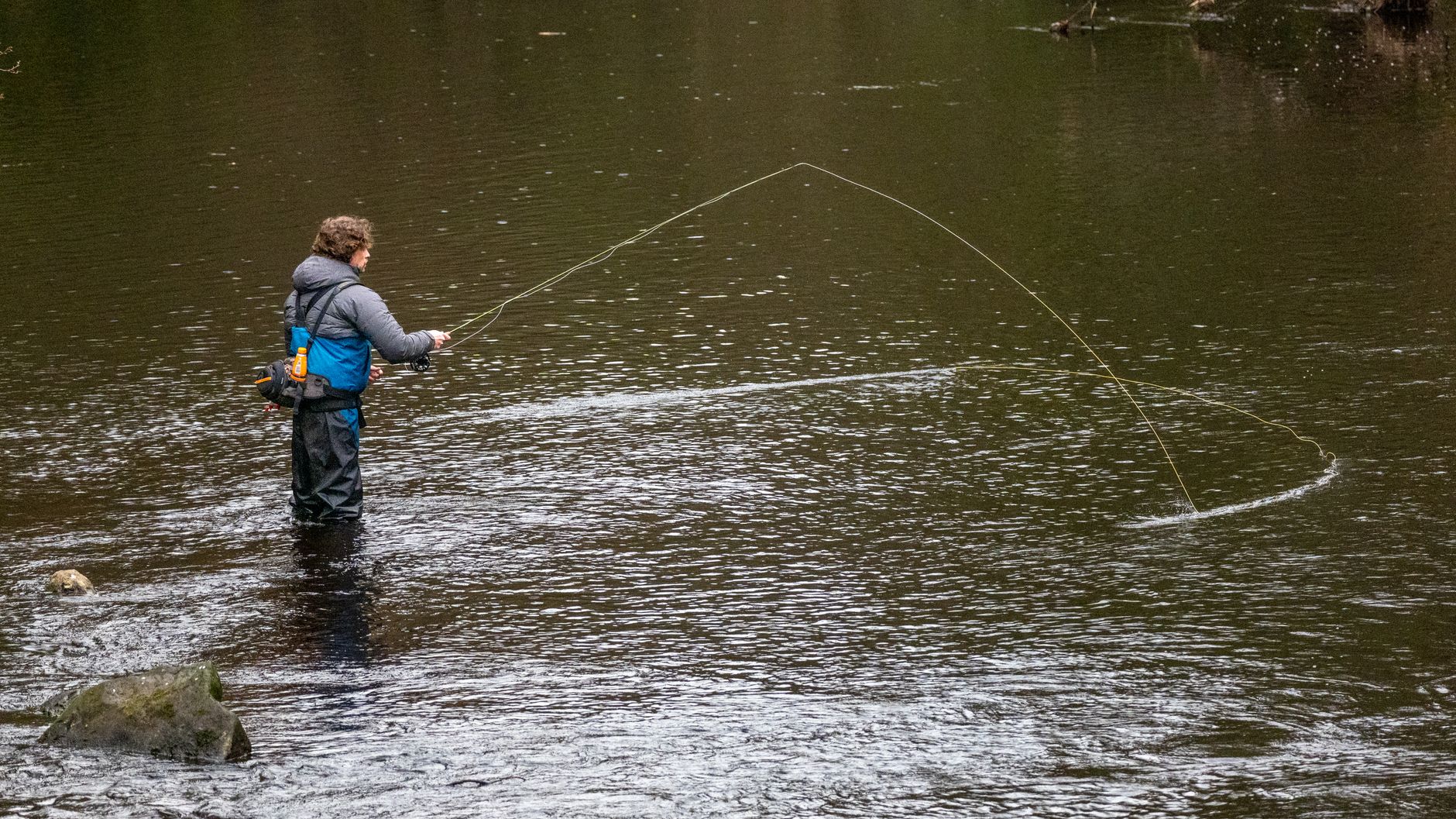
Essential Components of Fishing Gear
Choosing the right gear is critical to ensuring a successful fishing experience. The first step in this journey is selecting a fishing rod, which serves as an extension of the angler's reach into the water.
"The rod you choose can make a significant difference depending on what you’re targeting and the environment," said Sarah Collins, a veteran angler. She explains that fast-action rods respond quickly, ideal for close-range fishing, while slower-action rods allow for longer casts, making them versatile in different settings.
When considering rod materials, Collins noted, "Fiberglass is robust and perfect for tough use, while graphite offers sensitivity that helps detect soft bites. Length is also crucial; shorter rods excel in tight spaces, while longer rods can cast farther." This guidance helps beginners select equipment tailored to their needs and the local fishing conditions.
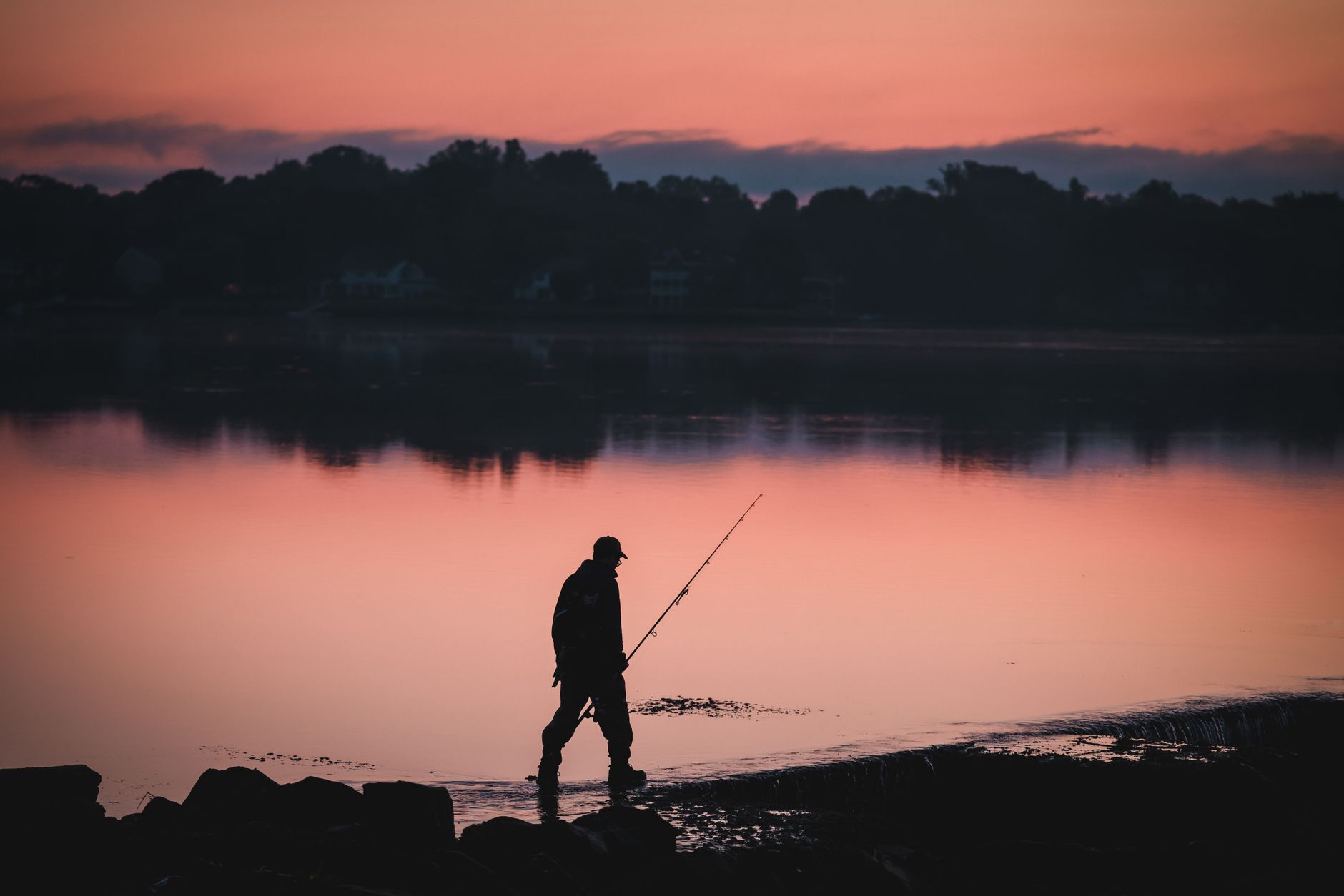
Once the right rod is chosen, selecting the appropriate reel is next. "Fly reels allow for smooth casting and are lightweight, which is perfect for beginners just starting with fly-fishing," noted Tom Garcia, a fishing supply store owner. He emphasized the advantages of different reel types: bait-casting reels are known for their high gear ratios for more experienced anglers, while spinning reels offer accessibility for novices with their user-friendly open-face design. Pairing the right reel with a suitable rod enhances not only functionality but personal fishing style as well.
The Step-by-Step Guide to Fishing
#### Step 1: Find a Fishing Location Selecting a good fishing location is crucial. Many beginners find it beneficial to start at well-stocked lakes or rivers. "I began my journey at a small pond, where I could spend hours without the pressure of competition," reminisced Kevin Miller, a new angler. He observed that areas near the shore, especially in spring and autumn, often yield more catches as fish prepare for colder months.
#### Step 2: Choose Your Rod and Reel Experimentation is key. As Miller stated, "Spinning rods are great for casting lighter lures, while bait-casting options are best for heavier lures and advanced techniques." It's essential for the reel to match the rod to ensure an efficient setup.
#### Step 3: Spool Your Reel Choosing the proper fishing line plays a significant role in a successful day on the water. Monofilament lines are your all-around workhorse, while fluorocarbon lines are less visible underwater—a popular choice among experienced anglers. "Braided lines offer unbelievable strength and sensitivity, making them an excellent option for catching bigger fish," noted Sarah Collins. When spooling the reel, ensure the line is wound evenly to prevent tangling during use.
#### Step 4: Selecting Tackle While picking tackle, considerations should reflect the fish species one aims to catch. According to veteran angler Mike Johnson, "Your tackle box should include hooks of various sizes, weights for sinkers, and floats to alert you of bites." Additionally, he stressed the importance of carrying tools such as pliers for handling hooks and cutting lines.
#### Step 5: Baiting The ongoing debate between live and artificial bait remains. Each type has its advocates and specific scenarios where one may outperform the other. As one novice shared, "I found that live baits often tempt fish more effectively, but artificial lures have their own advantages in certain situations."