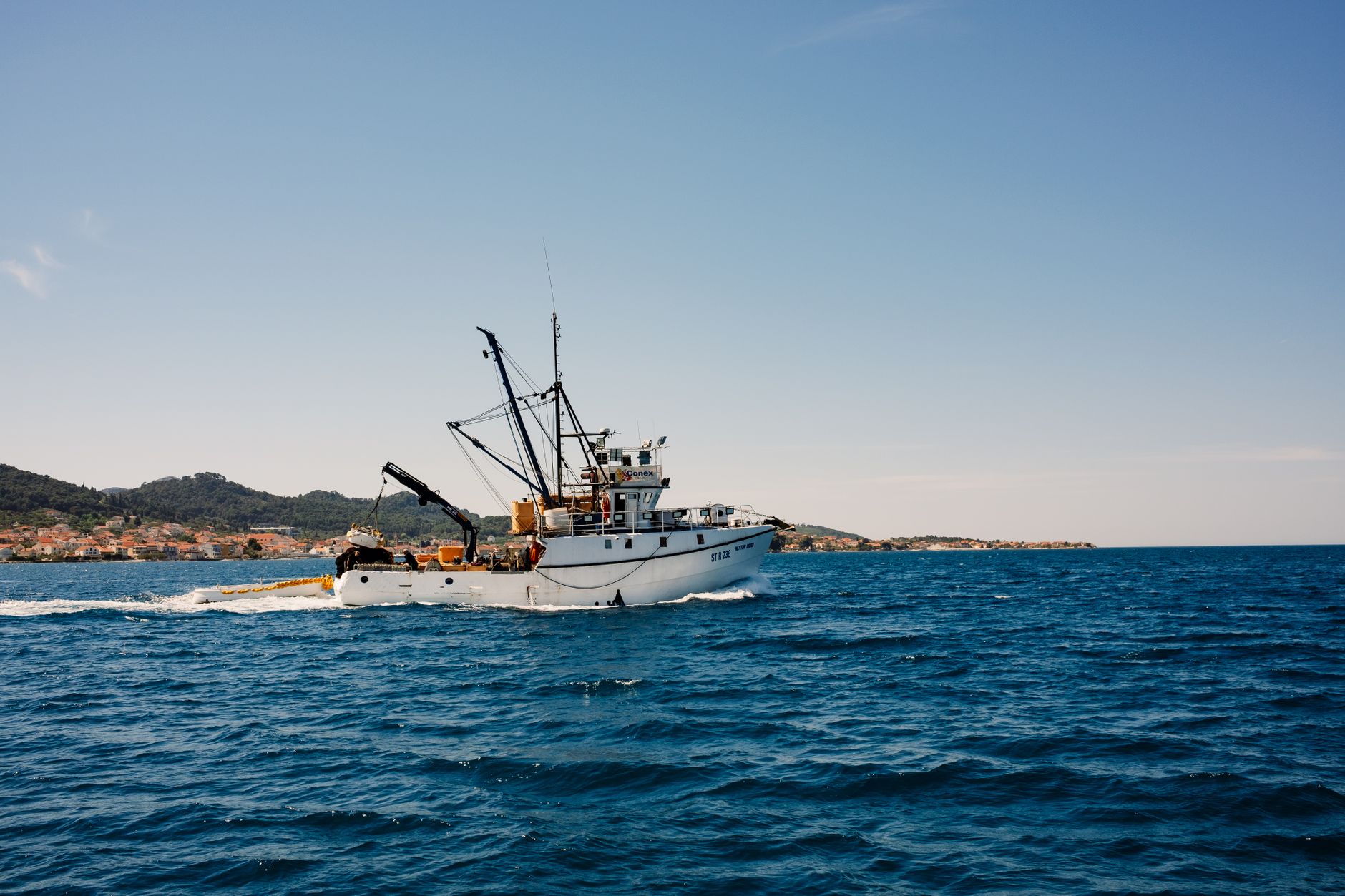
Two commercial fishermen have asked a federal judge to let them into the long-running legal fight over the Northeast Canyons and Seamounts Marine National Monument, the roughly 5,000-square-mile stretch of Atlantic seafloor about 130 miles southeast of Cape Cod.
Frank Green of New York and Bob Conrad of Vermont filed their motion to intervene on 31 July in Conservation Law Foundation v. Trump. They are represented by the Pacific Legal Foundation, and they want to defend the Trump administration's February proclamation that stripped the monument's commercial fishing ban.
"Presidents have abused their power under the Antiquities Act for decades, drastically exceeding its narrow scope and disregarding Congress to restrict Americans' right to productively use natural resources," PLF attorney Frank Garrison said in a release. "The fishermen who work those waters shouldn't have their livelihoods threatened by unilateral presidential decree."
That is the fourth policy flip in a decade. Barack Obama created the monument in 2016 under the 1906 Antiquities Act, banning commercial fishing while leaving lobster and crab harvesting in place for a phase-out period and keeping recreational fishing legal. Trump lifted the ban in 2020. Joe Biden restored it in 2021. Trump lifted it again this February.
Green and Conrad's core argument, according to PLF, is that the Antiquities Act does not authorise a president to designate marine monuments in the ocean at all, let alone to close them to commercial fishing. PLF has run this play before: it led the earlier, unsuccessful challenge to Obama's designation, and has also gone to court over GPS monitoring of the Maine lobster fleet and vessel speed limits meant to protect North Atlantic right whales.
The conservation coalition sees it very differently. The Conservation Law Foundation, the Natural Resources Defense Council, the Center for Biological Diversity and whale-watch naturalist Zack Klyver sued in May, arguing a president cannot abolish or shrink a monument a predecessor created.
"Conservation Law Foundation campaigned to establish this monument because the life it shelters is unique and irreplaceable. The last time the Trump administration tried to strip away protections, we sued and kept fighting until protections were restored. We're ready to do it again," CLF ocean programme staff attorney Chloe Fross said, as reported by SeafoodSource.
CLF senior counsel Erica Fuller went further when the February proclamation landed. "The Northeast Canyons and Seamounts Marine National Monument is a biodiversity hotspot and one of the most biologically productive areas in the Atlantic Ocean. It deserves our full protection," she told The New Bedford Light. "This latest attempt by the Trump administration to undermine the monument is not only unlawful, but it also demonstrates a blatant disregard for the health of our oceans."
Kristen Monsell, oceans legal director at the Center for Biological Diversity, has argued that reopening the area removes protections the ecosystem cannot replace. The monument holds three canyons deeper than the Grand Canyon, four extinct underwater volcanoes, deep-sea corals thousands of years old, and habitat for sperm, fin and sei whales.
Trump's proclamation leaned on the argument that other statutes already do the work. He wrote that "appropriately managed commercial fishing would not put the objects of historic and scientific interest that the monument protects at risk," and that many of the fish there "are highly migratory and not unique to the monument."
Industry groups agreed. "By reopening the Northeast Canyons and Seamounts to commercial fishing, fairness, transparency, and science-based governance has been restored to the affected fisheries," said Bob Vanasse, executive director of Saving Seafood, who criticised the original designation for arriving without public hearings or a cost-benefit analysis.
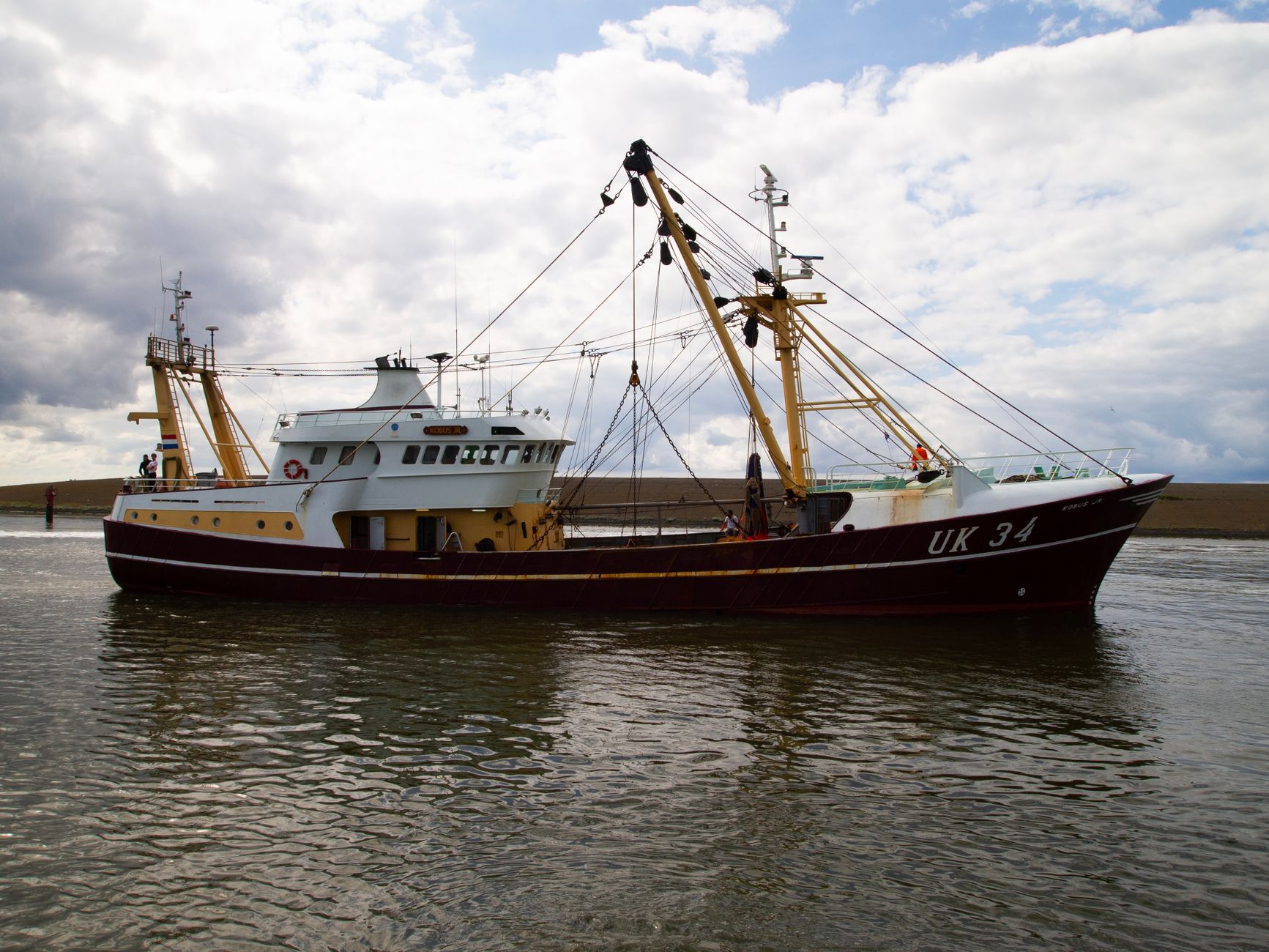
New Bedford Mayor Jon Mitchell, whose city runs the highest-value fishing port in the country, has held the same line for a decade. "I have long maintained that the decision to prohibit fishing in any designated area of the ocean should be subject to a rigorous process that includes a reasonable opportunity for direct input from the fishing industry and robust scientific peer review," he said. "The federal government took a short cut."
For the fishermen, the practical stake is simple: if the ban comes back, PLF says they face substantial fines and the loss of their licences for working water they have fished for years.