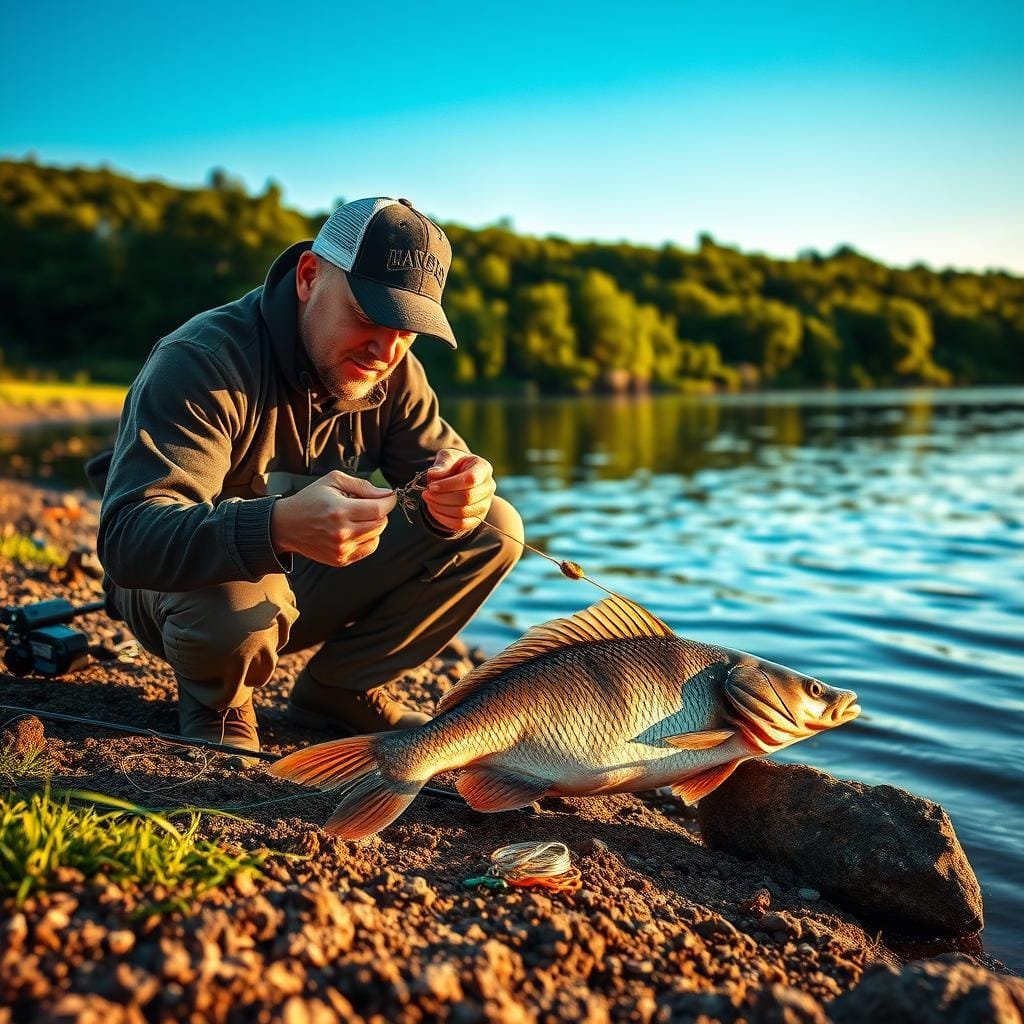
For anglers willing to face the challenge of catching a flathead catfish, the pursuit can be both thrilling and rewarding. Known for their size—often exceeding 100 pounds—flathead catfish are not just any fish; they promise an adventure that lorefully embodies the essence of fishing.
"These fish can grow really big, over 100 pounds," stressed seasoned angler, Jim Thompson. The pursuit of flatheads requires more than luck; it demands a mastery of techniques, patience, and knowledge of their unique behavior.
Understanding Flathead Catfish Behavior
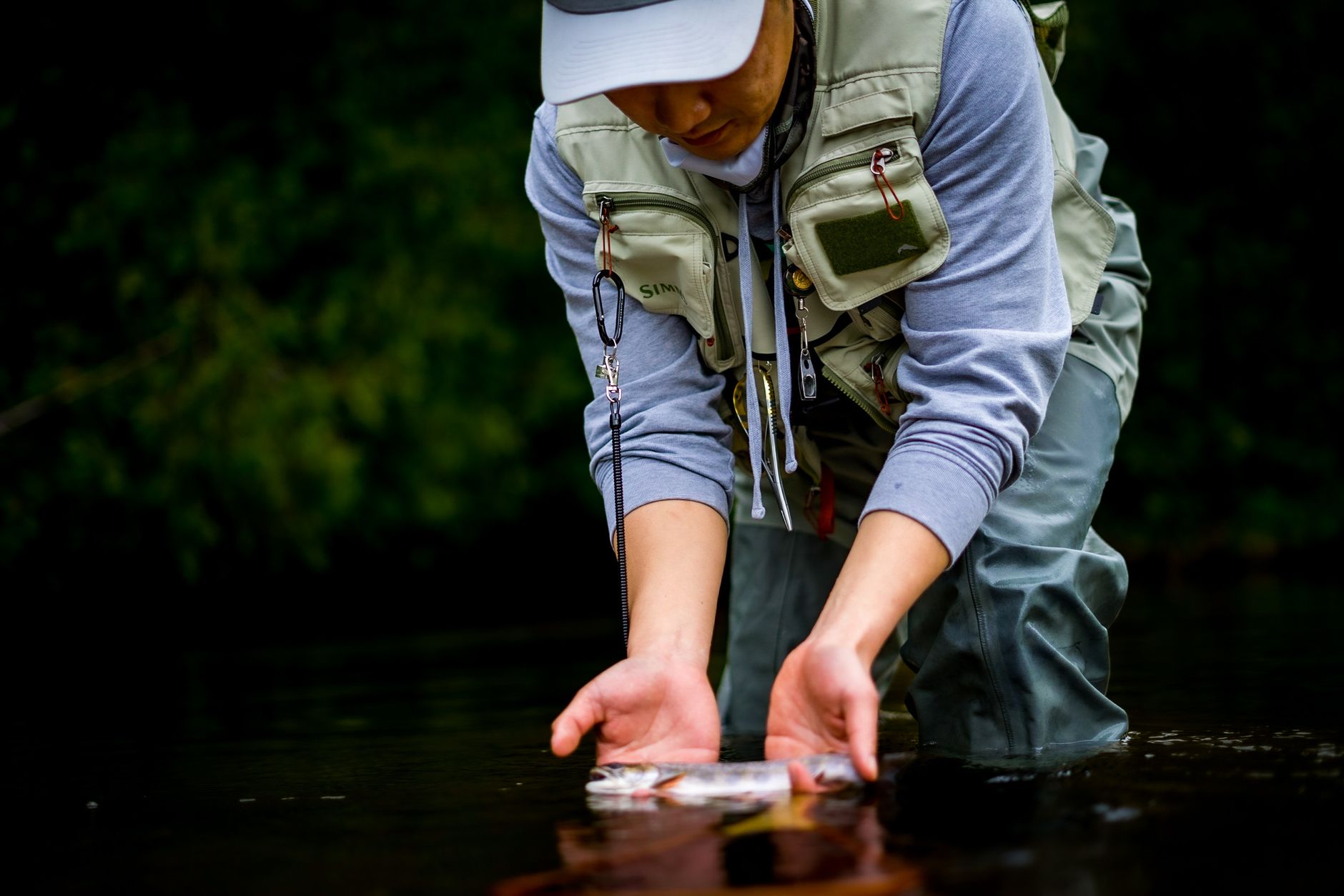
To catch flathead catfish effectively, one must delve into their behavioral patterns. These fish possess distinctive traits that influence their hunting strategies. Understanding these idiosyncrasies can significantly elevate an angler's chances of a successful catch.
"Knowing about their habits can help you catch more fish," said expert fisherman, Mia Chen, reflecting on her years of experience.
#### Unique Characteristics of Flathead Catfish
Flathead catfish set themselves apart with their broad heads and solitary nature. They prefer hunting alone and often take refuge in structures like logs and rocks, which serve as ambush points for unsuspecting prey. This behavior makes flatheads a unique challenge for anglers.
#### Flathead Catfish Habitats
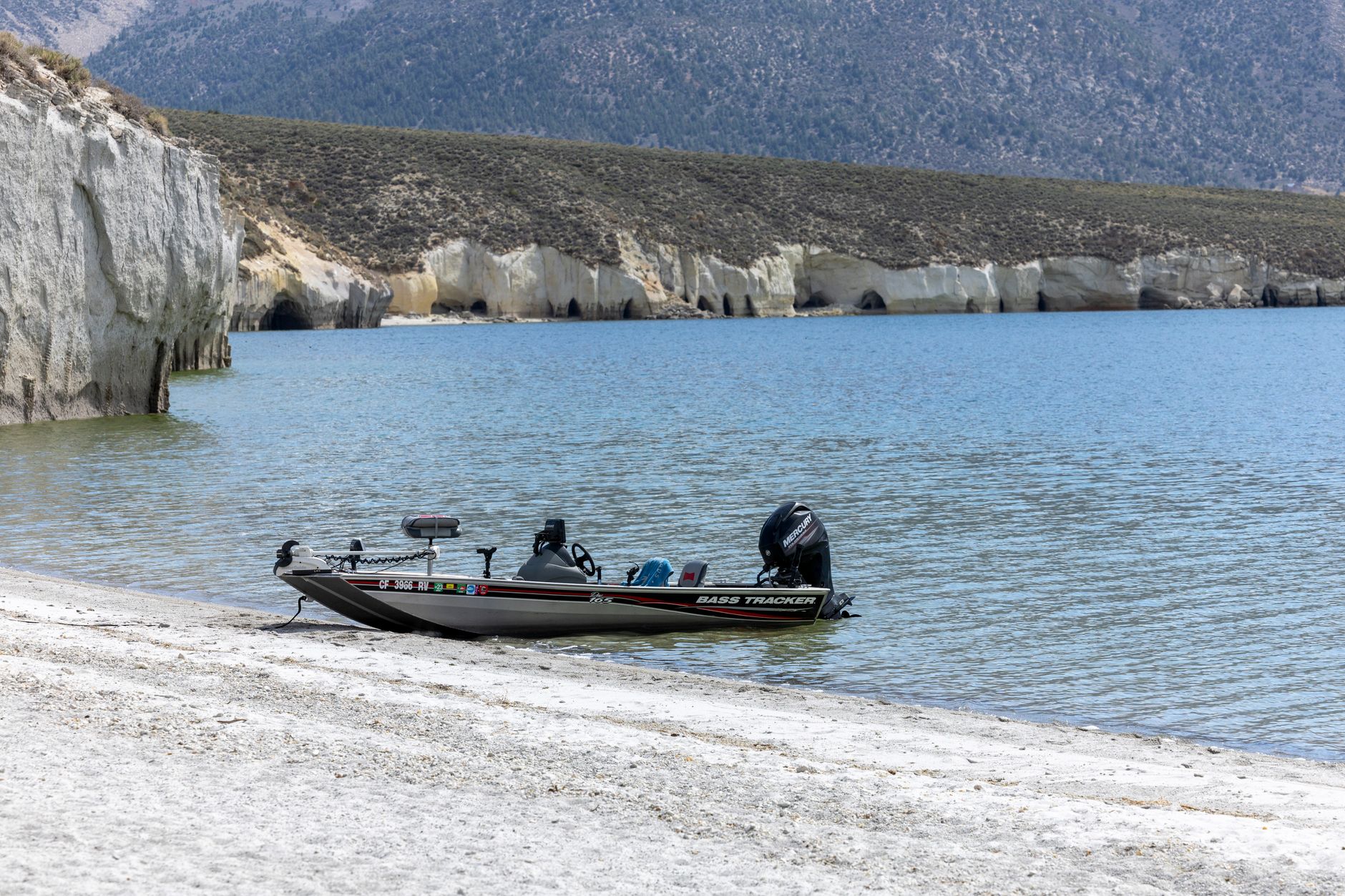
Throughout the United States, flathead catfish thrive in large rivers, lakes, and reservoirs. They gravitate toward areas rich in cover and food sources. "Places with logs, rocks, and bends in rivers are great for fishing," shared local fishing guide, Greg Turner.
#### Activity Patterns: Day vs. Night
A crucial aspect of targeting flathead catfish lies in recognizing their activity patterns. Although these fish may exhibit daytime activity during cloudy conditions, their primary feeding occurs at night.
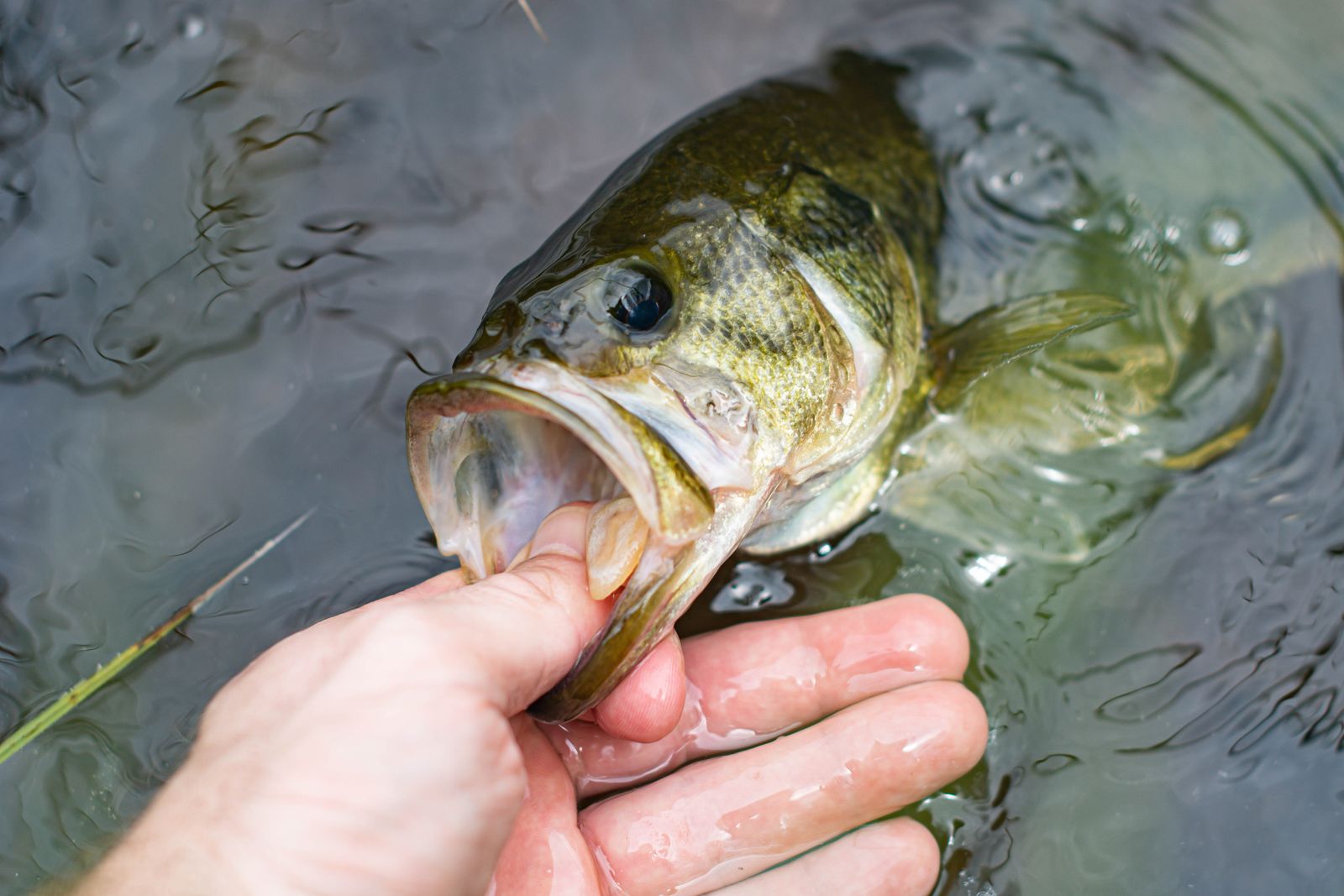
"Knowing when they are most active helps you catch bigger fish," noted fishing analyst, Laura Kim.
To maximize your success rates, consider the following:
| Time of Day | Behavior | Recommended Fishing Strategies | | --- | --- | --- | | Daytime | Less active, hiding in shelter | Focus on dense structures, use scent-heavy baits | | Nighttime | Highly active, hunting | Use live baits, focus on open waters adjacent to structures |
Key Locations for Flathead Catfish
Effective flathead fishing is largely dependent on choosing the right locations. The best spots typically include deeper stretches of rivers and streams, often featuring natural structures like overhanging branches or submerged logs.
"In rivers and streams, the best spots are where water is deep and there’s lots of cover," Greg emphasized. These habitats offer safety and hunting advantages for flatheads, making them enticing targets.
When it comes to lake fishing, flatheads are often found near deep drop-offs, docks, or submerged objects. Early morning and late evening are prime times to fish these areas as catfish become more active.
The integration of technology has transformed the way anglers approach flathead catfish. Innovations like GPS fish finders and sonar provide insights into underwater structures that are otherwise invisible.
"Using technology makes fishing more fun and efficient," noted Jim, sharing how these tools open up new fishing locales.
| Technology | Effectiveness in Rivers | Effectiveness in Lakes | | --- | --- | --- | | GPS Fish Finders | High | Very High | | Sonar | Medium | High | | Underwater Cameras | Low | Medium |
Choosing the Best Time to Fish
"They eat a lot to get ready for cold weather," shared Laura, highlighting the significance of seasonal behavior in enhancing fishing success.
Additionally, adverse weather conditions can enhance fishing opportunities. Rain or cold fronts often generate murky waters, compelling catfish to become more active hunters.
How to Catch Flathead Catfish
The cornerstone of successful flathead catfish fishing is recognizing where they dwell and how they behave. These fish exhibit a fierce desire for ambush, often hiding in deep spots rich in cover and prey.
Using live bait—such as bluegills, sunfish, or chubs—is universally recognized among anglers as the most effective approach for catching flatheads. "Let the bait swim freely, either on the bottom or under a float in shallow water," advised Greg.
| Bait Type | Preferred Habitat | Best Fishing Time | | --- | --- | --- | | Bluegills | Submerged logs and boulders | Night | | Sunfish | Deep water with tree cover | Early morning | | Chubs | Near riverbanks with dense cover | Twilight |
Additionally, proper tackle selection tailored for flathead catfish is essential, ensuring that the gear can handle the strength and size of these formidable opponents.
Conclusion
Catching flathead catfish is not just a means to fill a cooler; it's about immersing oneself in the nuances of fishing, refining strategies, and enjoying the great outdoors. While the thrill of the chase beckons, it’s the rich experiences and stories from these adventures that truly shape an angler’s journey.