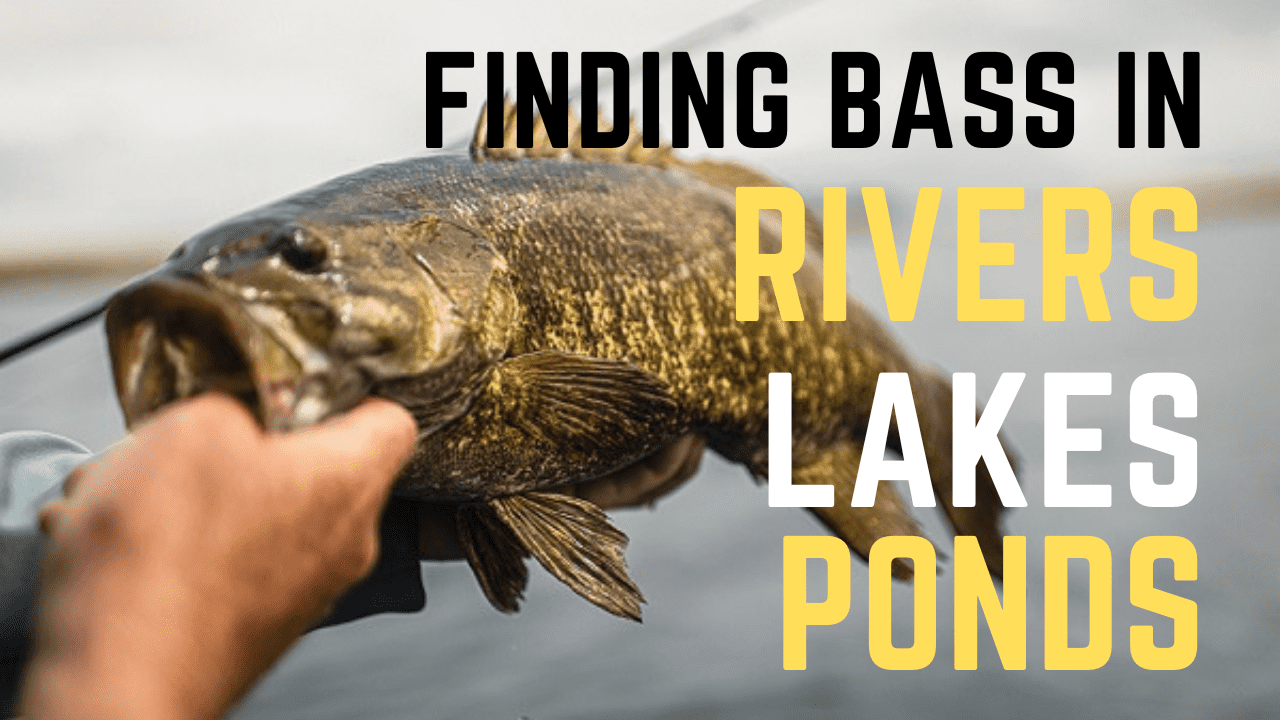
Bass fishing remains a beloved activity for many anglers, yet identifying where to locate these fish can prove challenging. Bass inhabit diverse aquatic environments - rivers, lakes, and ponds - and each presents its own set of characteristics and obstacles. With insights from a variety of fishing experts, let's explore the optimal strategies for finding bass across these bodies of water.
Understanding bass habitats is fundamental to successful fishing. Bass are fundamentally structure-oriented fish, favoring areas with cover including rocks, vegetation, and submerged timber. "These structures provide protection from predators and serve as ideal ambush points for hunting prey," said expert angler Mark Taylor. This foundational knowledge will guide anglers in exploring specific water types.
"These structures provide protection from predators and serve as ideal ambush points for hunting prey,"
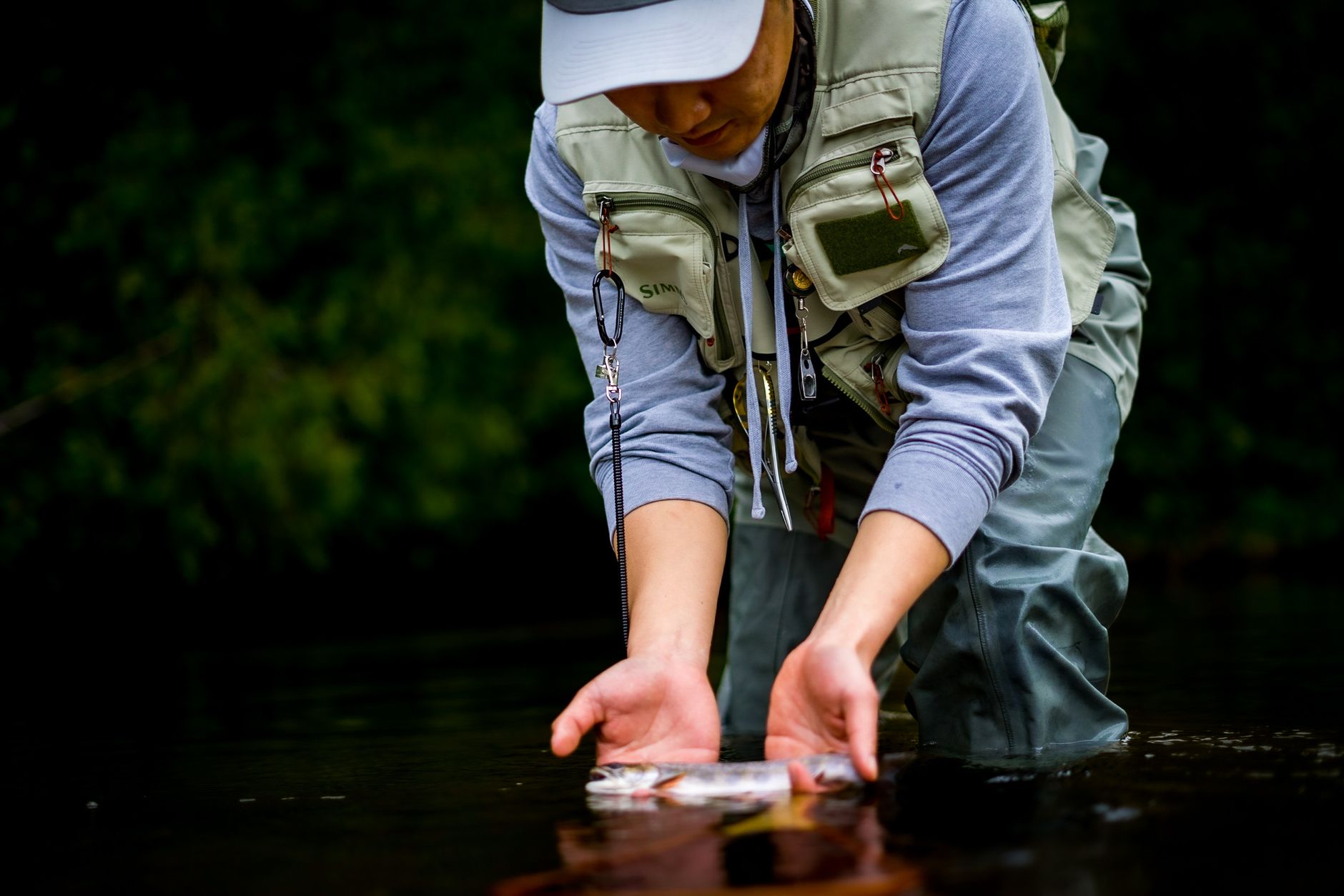
In rivers, the fishing experience evolves due to changing conditions. To enhance one’s probability of finding bass, it’s important to utilize certain strategies. "Look for eddies, current breaks, and seams where fast water meets slower water," noted pro fisherman Jake Adams. These particular spots allow bass to conserve energy while still feeding actively.
"Look for eddies, current breaks, and seams where fast water meets slower water,"

Race Results
Moreover, river structures such as bridge pilings and downed trees serve as excellent hiding spots. "Cast near these structures for better results," emphasized Chris Mitchell, a river fishing specialist. Finally, water temperature plays a key role. "In warmer months, bass tend to seek cooler water, particularly near tributaries and springs," explained fisheries biologist Sarah Jones. Understanding these dynamics is vital for anglers navigating river ecosystems.
"Cast near these structures for better results,"
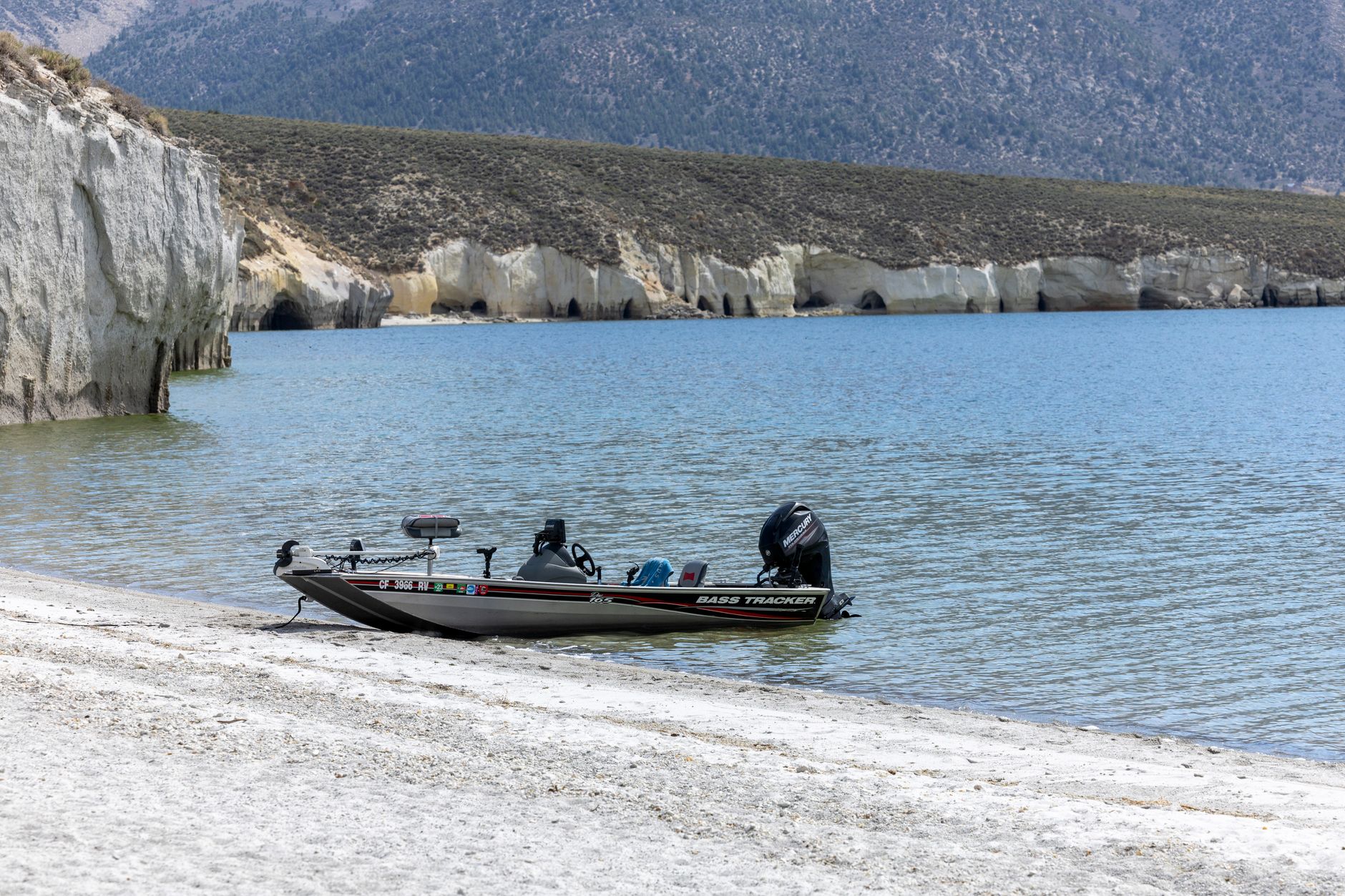
Lakes, while offering abundant opportunity, can be extensive and daunting. Recognizing bass behavior relative to the seasons can significantly improve catch rates. "Bass spawn in shallow waters during spring, then shift to deeper, cooler waters in summer," explained veteran angler Tom Greene. "Come fall, they return to shallow areas as the water cools, preparing for winter."
"Bass spawn in shallow waters during spring, then shift to deeper, cooler waters in summer,"
Championship Implications
Attention to underwater terrain is also crucial as submerged points and drop-offs can act as attractive features for bass. As Greene noted, "Depth changes create prime ambush points due to the influx of baitfish."
Race Results
Vegetation plays an essential role in a bass’s habitat. "Areas with lily pads and hydrilla are particularly productive," said aquatic ecologist Karen Float. "Targeting the outer edges of thick weed lines and pockets can yield great results."
"Areas with lily pads and hydrilla are particularly productive,"
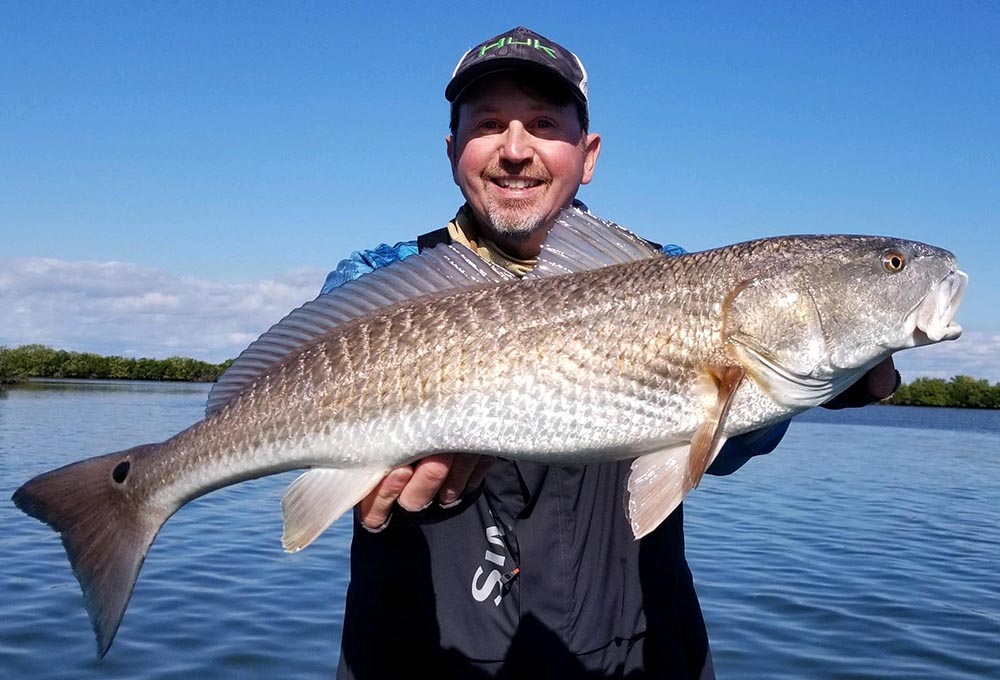
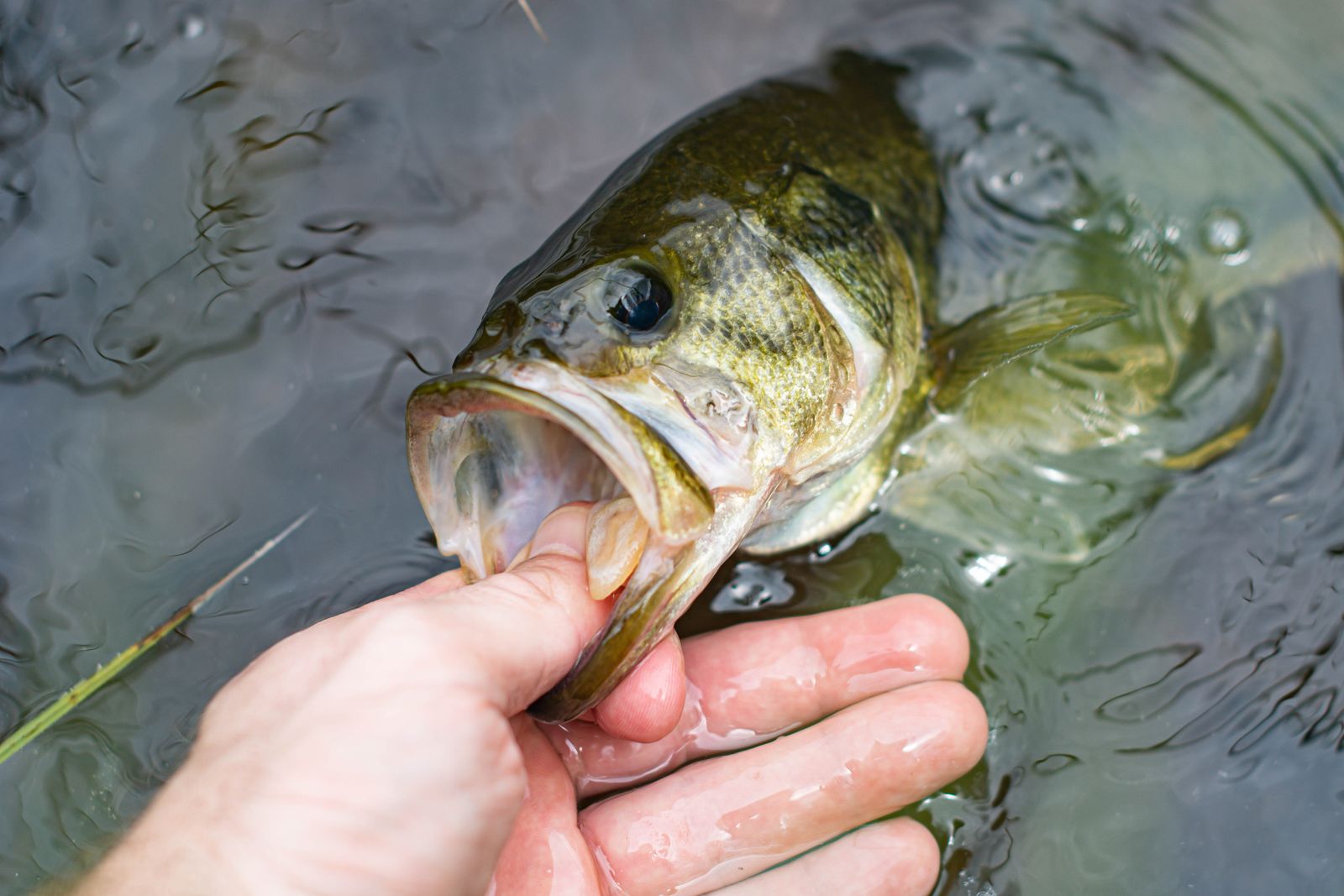
On the other hand, pond fishing can be especially rewarding due to the potential for high fish concentrations. However, understanding the unique features of ponds is important. "Ponds typically have limited depth ranges, so focus on areas where depth changes, such as drop-offs or deeper sections," advised local veteran fisherman Dave Raymond.
"Ponds typically have limited depth ranges, so focus on areas where depth changes, such as drop-offs or deeper sections,"
Structure remains important, just as with larger bodies of water. Submerged logs, rock formations, and vegetation, alongside man-made features, can significantly influence bass presence in ponds. Additionally, inflow and outflow areas deserve attention. "Water entering or leaving a pond can create a rich environment that attracts bass," remarked biologist Anna Reed. Investigating small streams or drainage areas can lead to the discovery of hot fishing spots.
"Water entering or leaving a pond can create a rich environment that attracts bass,"
Weather and environmental conditions impact bass behavior universally, regardless of the fishing venue. Barometric pressure is particularly influential. "Bass react to pressure changes, often becoming more active during stable or rising conditions," explained meteorologist Bill Rogers. Careful attention to pressure fluctuations can inform fishing strategies on any given day.
"Bass react to pressure changes, often becoming more active during stable or rising conditions,"
Light conditions also alter bass activity. "Low-light situations, such as overcast days or dawn and dusk, are prime times for targeting shallow water," said expert angler Michelle Sanders. This is when bass are likely to be more aggressive, offering a prime opportunity for successful fishing.
"Low-light situations, such as overcast days or dawn and dusk, are prime times for targeting shallow water,"
Finally, water clarity can affect bass behavior. "In clear waters, bass can be easily spooked, necessitating a more stealthy approach," said fishing guide Larry Brown. Conversely, in murkier waters, anglers can be less cautious.
"In clear waters, bass can be easily spooked, necessitating a more stealthy approach,"
Understanding these principles can greatly enhance one’s success in locating bass across rivers, lakes, and ponds. With insights from seasoned anglers and experts, anglers can navigate these waters confidently. As the fishing season progresses, applying these strategies will boost not only skill but also enjoyment on the water.