
Rainbow trout (Oncorhynchus mykiss) hold a special place among anglers, celebrated for their striking colors and lively nature. Aimed at both seasoned fishers and novices alike, this article offers essential advice on how to successfully catch these vibrant fish, exploring everything from their characteristics to the best strategies for fishing.
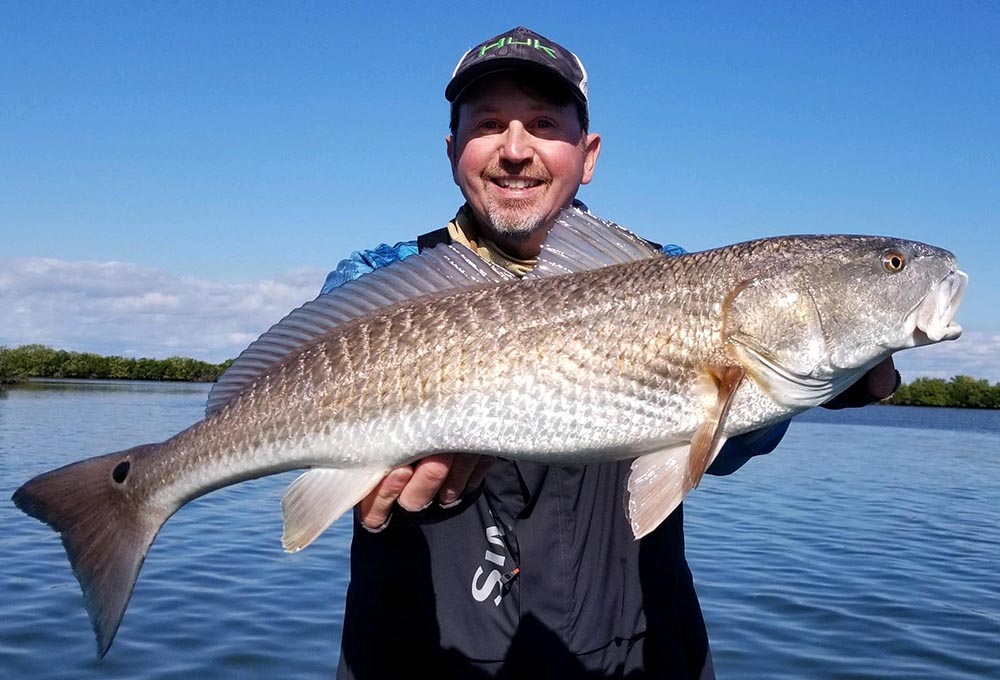
Identifiable by their unique coloration, rainbow trout display a blue-green or olive back, adorned with a pinkish-red stripe down their sides, all capped off with a white underbelly. Adult rainbow trout typically weigh between 1 to 5 pounds, although larger specimens can sometimes be found. "These fish are a joy to catch because of their dynamic fight and beautiful coloration," said John Smith, a long-time fishing enthusiast.
"These fish are a joy to catch because of their dynamic fight and beautiful coloration,"
Preferring cold, clear freshwater, rainbow trout thrive in rivers, streams, and lakes with plenty of dissolved oxygen. Although native to the Pacific regions of Asia and North America, their introduction to various global locations—including Europe, South America, and Australia—has made them a widespread favorite among anglers. Their opportunistic nature allows them to consume a diverse array of food such as insects, crustaceans, and smaller fish.

Career Journey
The best time to catch rainbow trout varies with the seasons. Generally, spring and fall emerge as the optimal fishing periods due to favorable water temperatures that stimulate feeding. "I always have the most luck during these seasons, especially in the early mornings and late evenings," remarked Sarah Johnson, an avid trout angler.
"I always have the most luck during these seasons, especially in the early mornings and late evenings,"
At dawn and dusk, rainbow trout become more active, making these times key for successful fishing. Weather conditions also play a significant role; overcast days with calm waters create an inviting environment for trout. Additionally, light rain can heighten fishing activity, pushing insects into the water, thus attracting hungry trout.
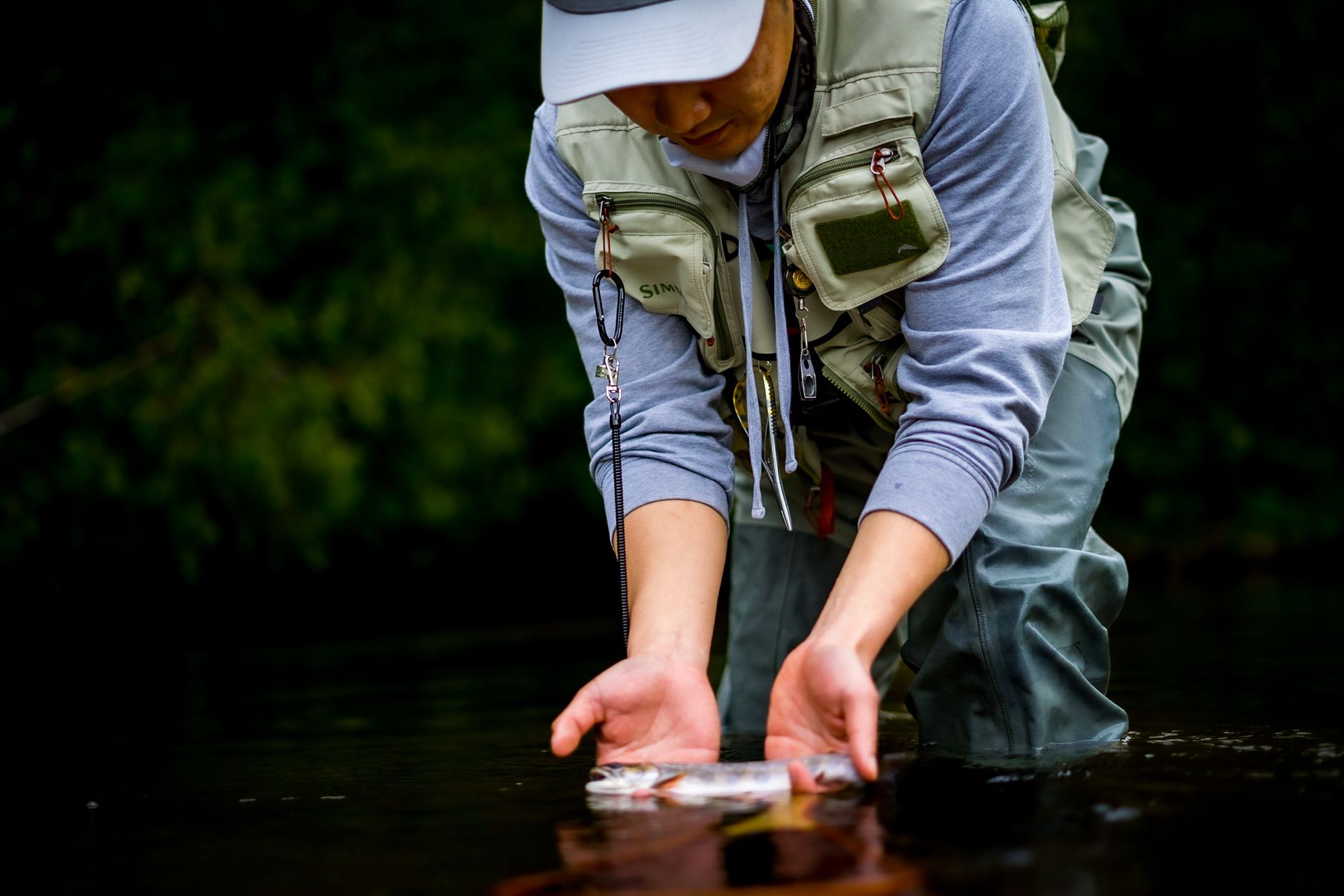
When it comes to fishing techniques, multiple options can increase your chances of a successful catch. Fly fishing consistently stands out as one of the most effective methods. "Using artificial flies that mimic the insects present in the water can really make a difference in your catch rate," explained Tom White, a local fishing guide.
"Using artificial flies that mimic the insects present in the water can really make a difference in your catch rate,"
Race Results
Spin fishing is also popular, employing lures like spinners, spoons, and small crankbaits. These lures mimic the movement of smaller fish, captivating the attention of trout. "You can fish with spinners in both still and moving waters for great results," noted Mike Brooks, an experienced spin fisherman.
"You can fish with spinners in both still and moving waters for great results,"
Bait fishing with live options such as worms, minnows, or salmon eggs provides an effective and beginner-friendly experience. According to Linda Chang, who frequently fishes local lakes, “There’s something satisfying about using natural bait; it makes you feel connected to the water.”
To maximize your chances of success, consider these pro tips: use light tackle to boost sensitivity when detecting bites, match the hatch by choosing flies or lures that resemble local insects, and mix up your retrieval speed and pattern to discover what excites the fish.
The right gear is crucial when targeting rainbow trout. An ideal setup includes a medium-light to medium-action rod paired with a spinning reel. For those interested in fly fishing, a 4 to 6-weight rod complemented by a matching reel is recommended. "Your gear should enhance your fishing experience, so choose wisely,” said Emily Carter, a fishing equipment expert.
When it comes to fishing line, using a 4 to 8-pound test monofilament or fluorocarbon for spin fishing is advisable, while fly anglers should opt for a floating line accompanied by a tapered leader. Hooks should range in size from 8 to 12, with effective baits including worms, minnows, and salmon eggs. Popular artificial options involve spinners, spoons, and small crankbaits.
Rainbow trout can be found in clear, cold freshwater like rivers, streams, and lakes. These fish often seek cover in areas abundant with submerged logs, rocks, and vegetation. "The more prepared and knowledgeable you are about their habitats, the better your fishing experience will be," asserted veteran angler George Adams.
"The more prepared and knowledgeable you are about their habitats, the better your fishing experience will be,"
In conclusion, understanding the nuances of rainbow trout behavior, habitat, and effective fishing techniques can significantly enhance your fishing success. The thrill of catching this spirited species continues to draw anglers to waters worldwide, making it a beloved target for many. As local ecosystems change and fishing practices evolve, staying informed and adaptable is key for anglers aiming to secure a memorable fishing experience with rainbow trout.