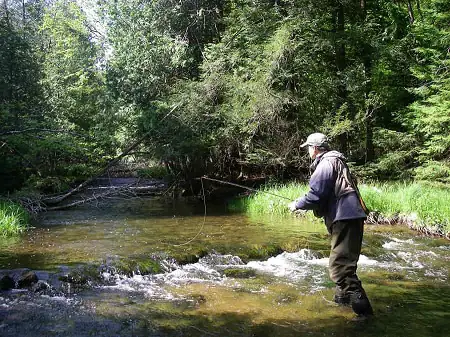
For passionate anglers seeking one of freshwater fishing's most rewarding experiences, brook trout fishing offers thrills that few other species can match. With the right knowledge and approach, these pristine cold-water fish can provide impressive catches for those willing to understand their habits and habitats.
A seasoned angler with more than three decades of experience recently shared insights that could transform how fishermen approach brook trout. "I still remember the first brook trout I caught over 35 years ago," the veteran guide reflected. "Since then, I have guided and taught hundreds of anglers the many tips and tricks that I've learned fishing with other trout guides and spending thousands of hours on the water catching brook trout."
"I still remember the first brook trout I caught over 35 years ago,"
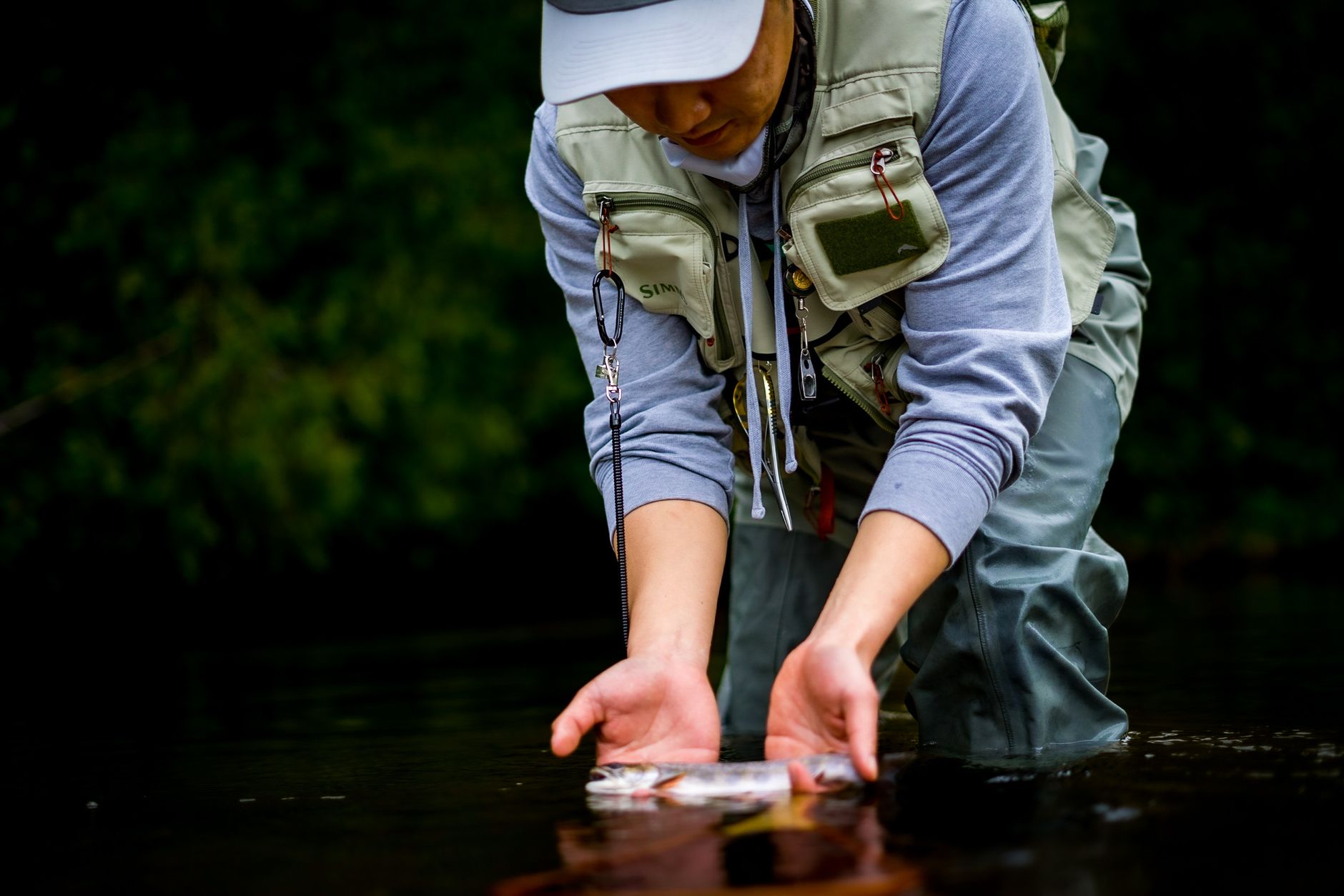
According to this expert, success in brook trout fishing hinges on mastering three fundamental elements: achieving effective presentation, utilizing proper setup, and selecting the most suitable fishing method. "Having the right bait and gear is just as crucial as knowing where to fish," he emphasized.
"Having the right bait and gear is just as crucial as knowing where to fish,"

**Prime Brook Trout Territory**
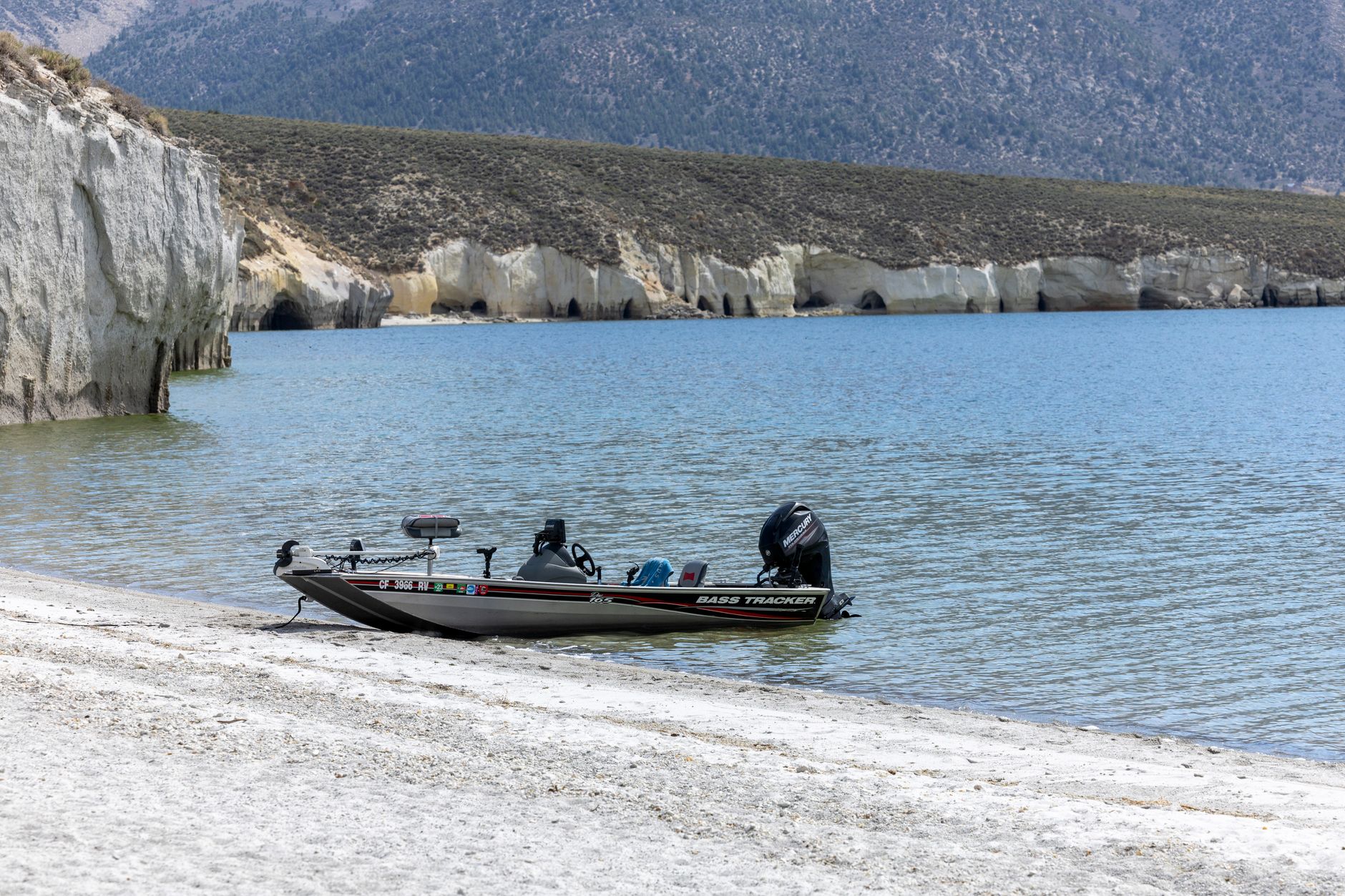
Brook trout, a freshwater species predominantly found across Eastern North America, have specific habitat requirements that savvy anglers must understand. These fish thrive exclusively in cold, pristine waters, making location knowledge crucial for fishing success.
The species commonly inhabits streams and rivers, particularly in headwaters near spring-fed pools and riffles. "Brook trout can be found far up rivers where the water is coldest," the guide explained. "They often utilize structure and deeper sections in the water to concentrate their populations."
"Brook trout can be found far up rivers where the water is coldest,"
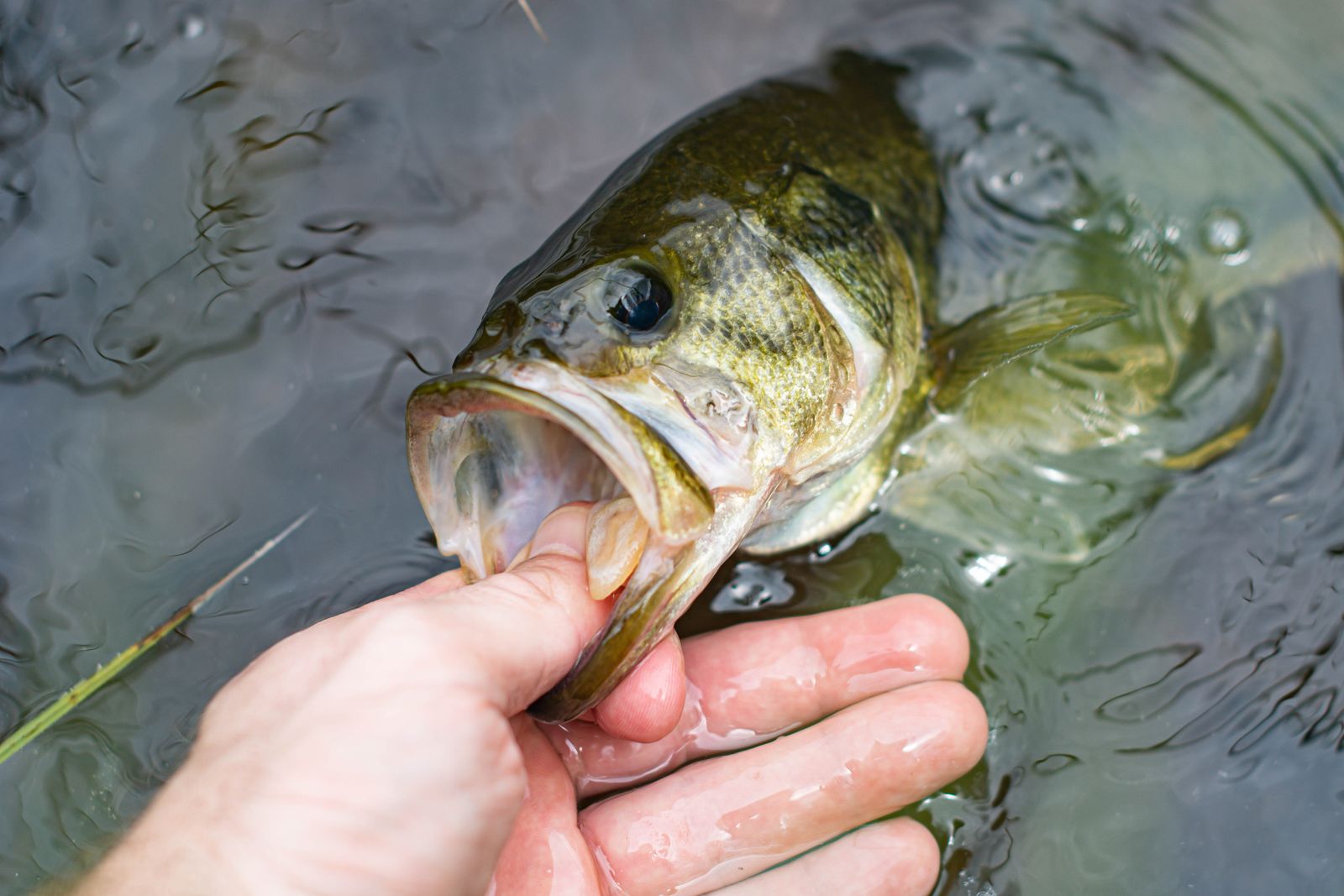
While brook trout can inhabit various aquatic environments including lakes and coastal areas, prime fishing spots are typically found far upstream in secluded locations where water temperatures remain consistently cold throughout the year.
**Understanding Brook Trout Diet**
Successful brook trout fishing requires intimate knowledge of what these fish consume. As opportunistic feeders, brook trout maintain a varied diet that changes based on availability and season.
"They prefer aquatic insects living on the river bottom but will also take advantage of land insects that fall into the water," the expert noted. This feeding behavior opens numerous bait and lure options for anglers who understand these preferences.
"They prefer aquatic insects living on the river bottom but will also take advantage of land insects that fall into the water,"
The experienced angler revealed his most effective approach for targeting trophy-sized fish: "Most of my largest brook trout were caught on 3- to 5-inch streamer flies or crankbaits." This preference for baitfish patterns reflects the predatory nature of larger specimens.
**Targeting Trophy Brook Trout**
Anglers seeking larger brook trout must adopt strategic approaches to location selection. The key lies in finding areas with minimal fishing pressure and abundant food sources.
"Fishing in areas that aren't heavily fished can lead to bigger brook trout," the guide emphasized, backing up this claim with a remarkable personal example. "I have a six-pound brook trout mounted on my wall that came from a river just 12 to 15 feet wide on private property where nobody else is allowed to fish."
"Fishing in areas that aren't heavily fished can lead to bigger brook trout,"
Impact and Legacy
This anecdote illustrates a crucial principle: fishing pressure dramatically impacts brook trout populations and size distribution. The same guide noted that public sections of the identical river contained significantly fewer large trout, primarily due to angling pressure and harvest practices.
The lesson extends beyond private water access. Small streams with natural protection from heavy fishing pressure can produce substantial catches, demonstrating that water size doesn't necessarily correlate with fish size when fishing pressure remains minimal.
**Seasonal Strategies**
Brook trout fishing success varies dramatically throughout the year, requiring anglers to adapt their approaches based on seasonal conditions. Each season presents unique challenges and opportunities that experienced anglers learn to navigate.
Spring typically brings active feeding behavior as brook trout recover from winter and prepare for spawning season. Summer and fall present more selective feeding patterns, requiring refined techniques and presentations.
"Fishing for brook trout varies greatly with the seasons; every season has its own set of conditions and strategies," guides emphasize. This seasonal variation demands flexibility and continuous learning from serious brook trout anglers.
"Fishing for brook trout varies greatly with the seasons; every season has its own set of conditions and strategies,"
**Keys to Consistent Success**
As fishing enthusiasts prepare for brook trout season, understanding habitat preferences and feeding behaviors will significantly improve success rates. The combination of proper location selection, appropriate bait choices, and seasonal timing creates the foundation for memorable brook trout experiences.
The expert's decades of experience underscore that brook trout fishing rewards patience, knowledge, and respect for these magnificent fish and their pristine habitats. Whether targeting their first brook trout or seeking trophy specimens, anglers who invest time in understanding these principles will find themselves better equipped for success on Eastern North America's cold-water streams and rivers.