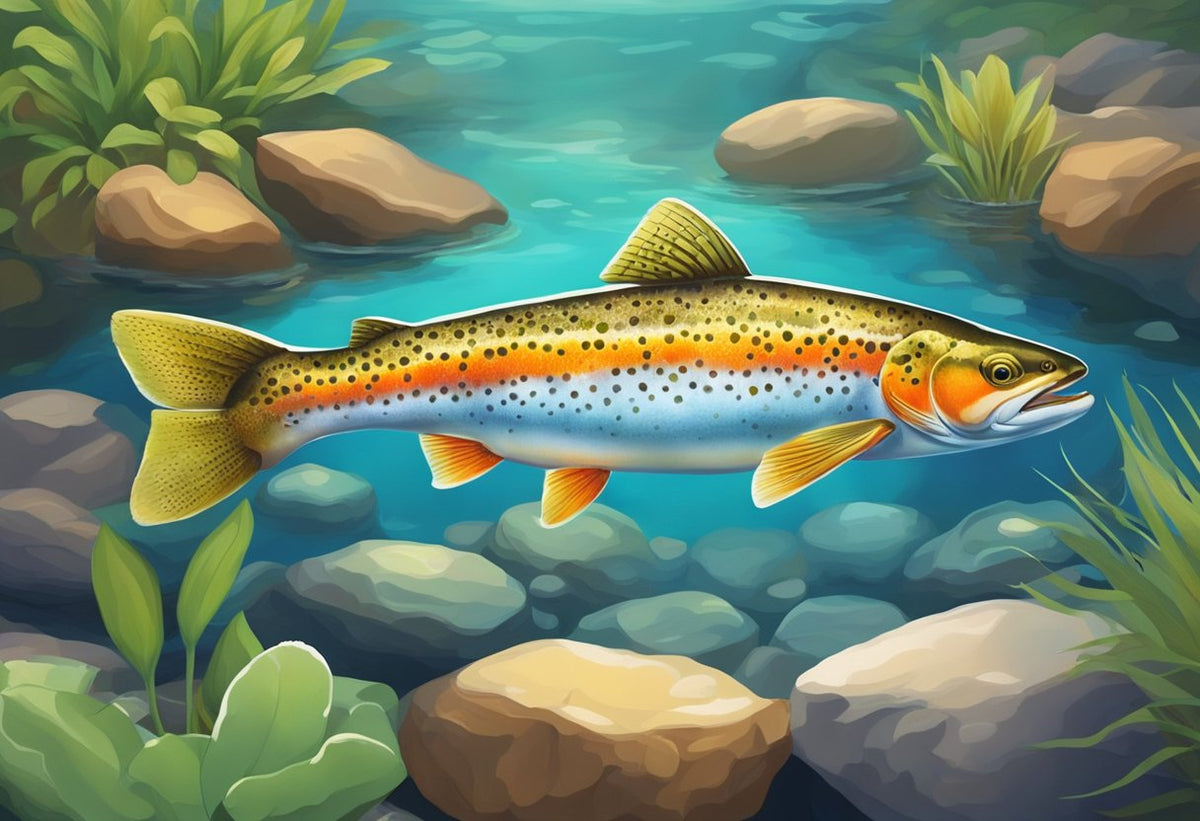
Across the pristine streams and lakes of North America, trout continue to captivate anglers with their vibrant colors, challenging fights, and reputation as one of the most sought-after game fish in the world. But beneath the surface of this beloved fishing tradition lies a complex web of conservation challenges that threaten the very species that have drawn generations of anglers to the water's edge.
As members of the Salmonidae family, trout have evolved to thrive in both freshwater and brackish environments, with over 50 different species found globally. North America serves as the epicenter of trout diversity, making it a premier destination for fishing enthusiasts seeking these prized catches.
"Fishing for trout combines skill, patience, and a bit of luck," said an avid angler, highlighting the enduring appeal that keeps millions of people returning to rivers and lakes each season.
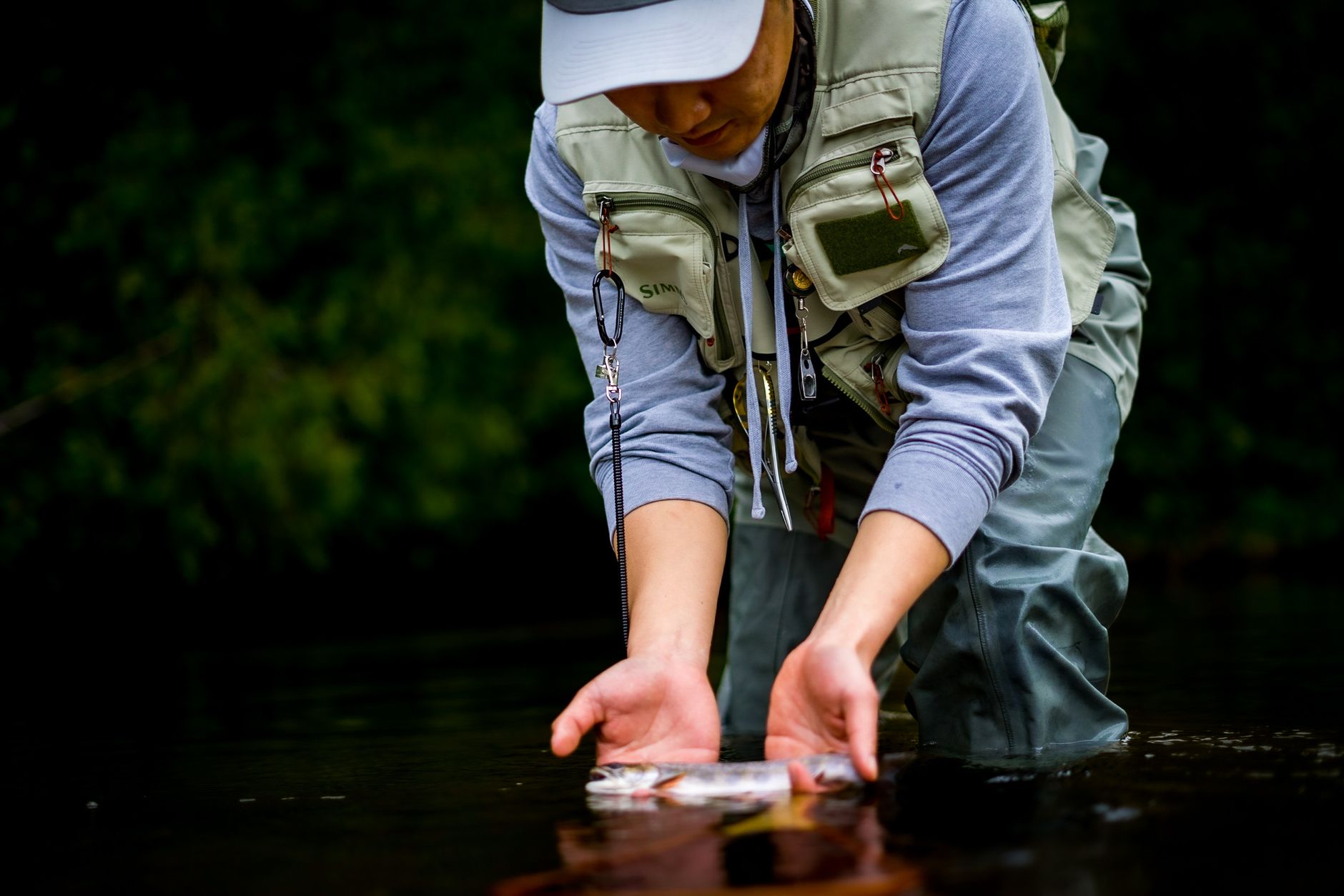
"Fishing for trout combines skill, patience, and a bit of luck,"

Among the most popular species, rainbow trout (Oncorhynchus mykiss) stand out for their spectacular coloration and fierce fighting spirit. Lisa Thompson, a local fishing guide, captures the excitement these fish generate: "Rainbow trout are exhilarating to catch because of their energy; they give you quite the show on the line."
Originally native to North America, rainbow trout have successfully expanded their range to distant waters in Australia and New Zealand, demonstrating their remarkable adaptability. However, this adaptability comes with consequences that scientists are only beginning to fully understand.
The brown trout (Salmo trutta) presents a different challenge altogether. Originally from European waters, these aggressive fighters were introduced to North American streams and have established thriving populations. Mark Evans, an expert in freshwater fishing techniques, explains their appeal: "Brown trout can be elusive, which adds to the challenge and satisfaction when you finally land one."
While anglers celebrate the diversity of available species, the introduction of non-native fish has created ecological complications that extend far beyond individual fishing experiences. Dr. Jennifer Collins, an aquatic ecologist, warns of the broader implications: "Non-native species can eclipse the populations of native trout, leading to imbalances that affect the entire aquatic community."
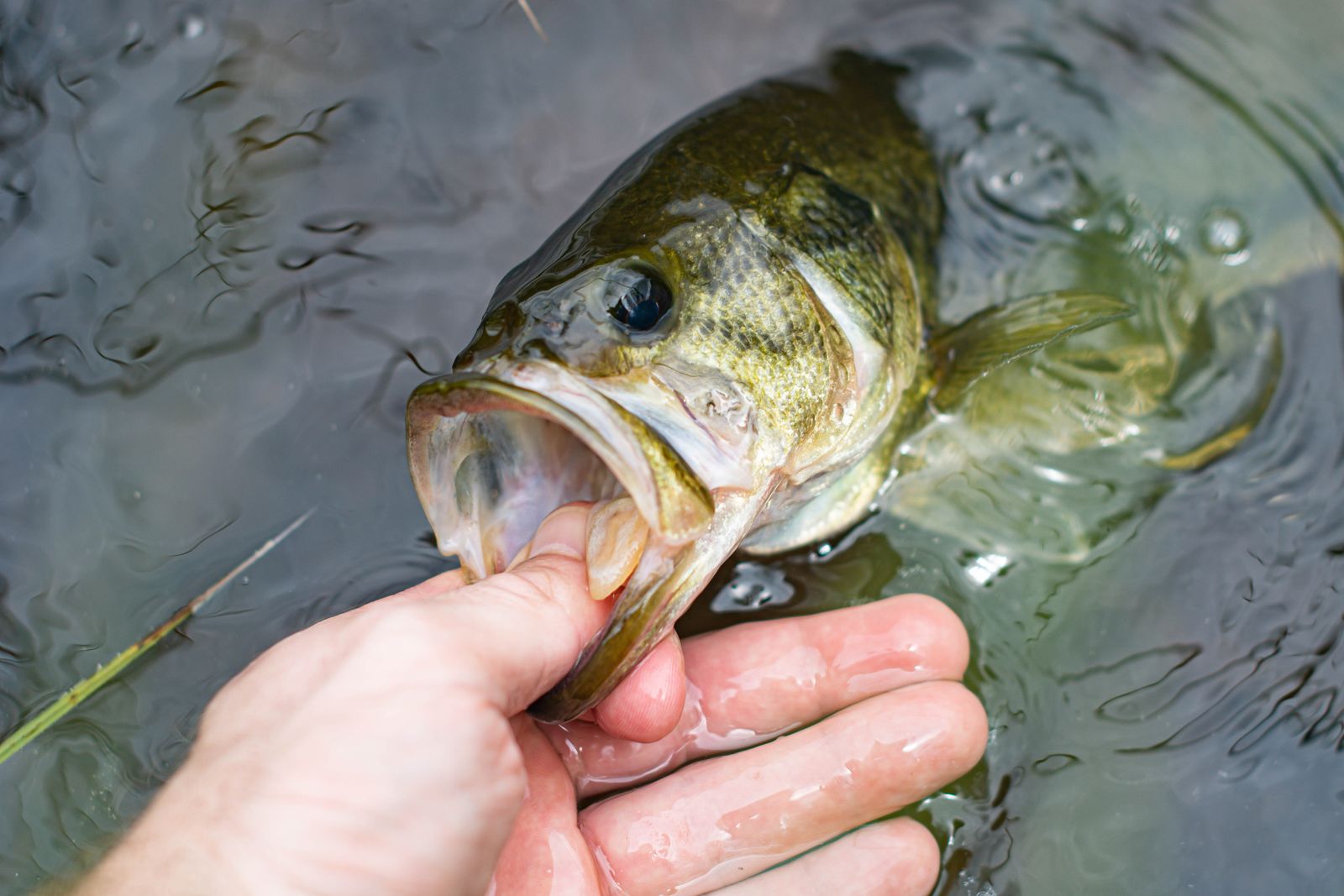
The brook trout (Salvelinus fontinalis) and lake trout (Salvelinus namaycush) exemplify this conservation challenge. While brook trout remain naturally situated in specific geographic regions, the introduction of lake trout to non-native environments has disrupted local ecosystems in measurable ways.
Trout's habitat requirements are notably specific – they demand cold, clear, oxygen-rich waters found in streams, rivers, lakes, and ponds. These exacting standards make them particularly vulnerable to environmental changes, creating a perfect storm of conservation concerns.
Ethan Brown, a conservationist dedicated to aquatic life, has witnessed these changes firsthand: "We've witnessed drastic changes in trout habitats over the years, primarily driven by human activity and climate patterns." His observations reflect a broader trend affecting trout populations across multiple continents.
Habitat degradation, overexploitation, and climate change have combined to create significant population declines among numerous trout species. The challenges are multifaceted, requiring comprehensive approaches that address both immediate threats and long-term environmental shifts.
Impact and Legacy
Climate change poses perhaps the most complex challenge facing trout populations today. Fluctuating temperatures and changing precipitation patterns directly impact water quality and habitat availability. Dr. Collins emphasizes the urgency of the situation: "The survival of many trout species is hanging by a thread, and it is crucial for anglers to understand these dynamics when fishing."
Conservation efforts are adapting to meet these evolving challenges through multiple strategies. Habitat restoration projects aim to rebuild degraded ecosystems, while invasive species removal programs work to restore natural balance to affected waters. Fishing regulations designed to manage and protect trout populations provide another layer of protection, though their effectiveness depends heavily on compliance and enforcement.
Looking Ahead
"It's about creating a sustainable future where trout can thrive and continue to offer joy to anglers for generations to come," Brown emphasized, highlighting the long-term vision driving current conservation efforts.
"It's about creating a sustainable future where trout can thrive and continue to offer joy to anglers for generations to come,"
The intersection of recreational fishing and conservation presents both opportunities and challenges. Anglers represent a significant constituency with direct stakes in healthy trout populations, making them natural allies in conservation efforts. However, the popularity of trout fishing itself can contribute to pressure on vulnerable populations without proper management.
As fishing seasons continue and new generations of anglers discover the thrill of trout fishing, the responsibility for sustainable practices becomes increasingly critical. The traditional challenge of matching wits with these intelligent fish now includes the broader challenge of ensuring their continued survival in rapidly changing environments.