Nestled in the heart of Kansas, Milford Lake—also known as Milford Reservoir—has established itself as the state's fishing crown jewel. Spanning an impressive 16,000 acres, this massive body of water offers anglers something increasingly rare in modern fishing: the opportunity to target multiple gamefish species in a single outing.
The reservoir's reputation extends far beyond its status as Kansas' largest lake. Anglers travel from across the region to test their skills against the diverse population of bass, crappie, walleye, and catfish that call these waters home. What sets Milford apart from other fishing destinations is not just the variety of species available, but the quality of fishing each provides.
"Milford Lake is a gem for anglers looking to catch multiple species in one outing," said Chris Johnson, a local fishing guide who has worked these waters for years. This versatility has made the lake a favorite among both weekend warriors and serious tournament anglers seeking to hone their skills across different fishing disciplines.
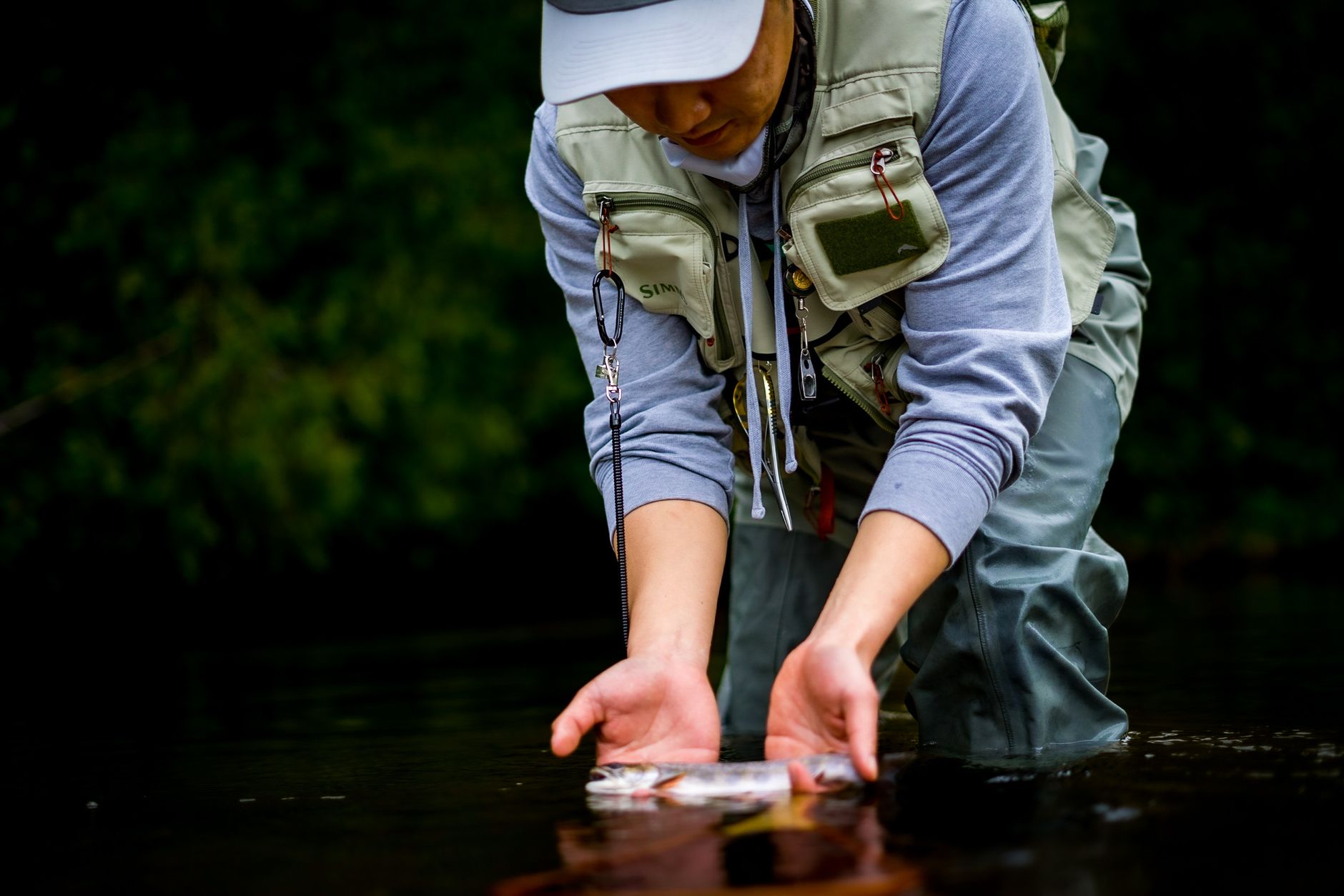
"Milford Lake is a gem for anglers looking to catch multiple species in one outing,"

**Bass Fishing Takes Center Stage**
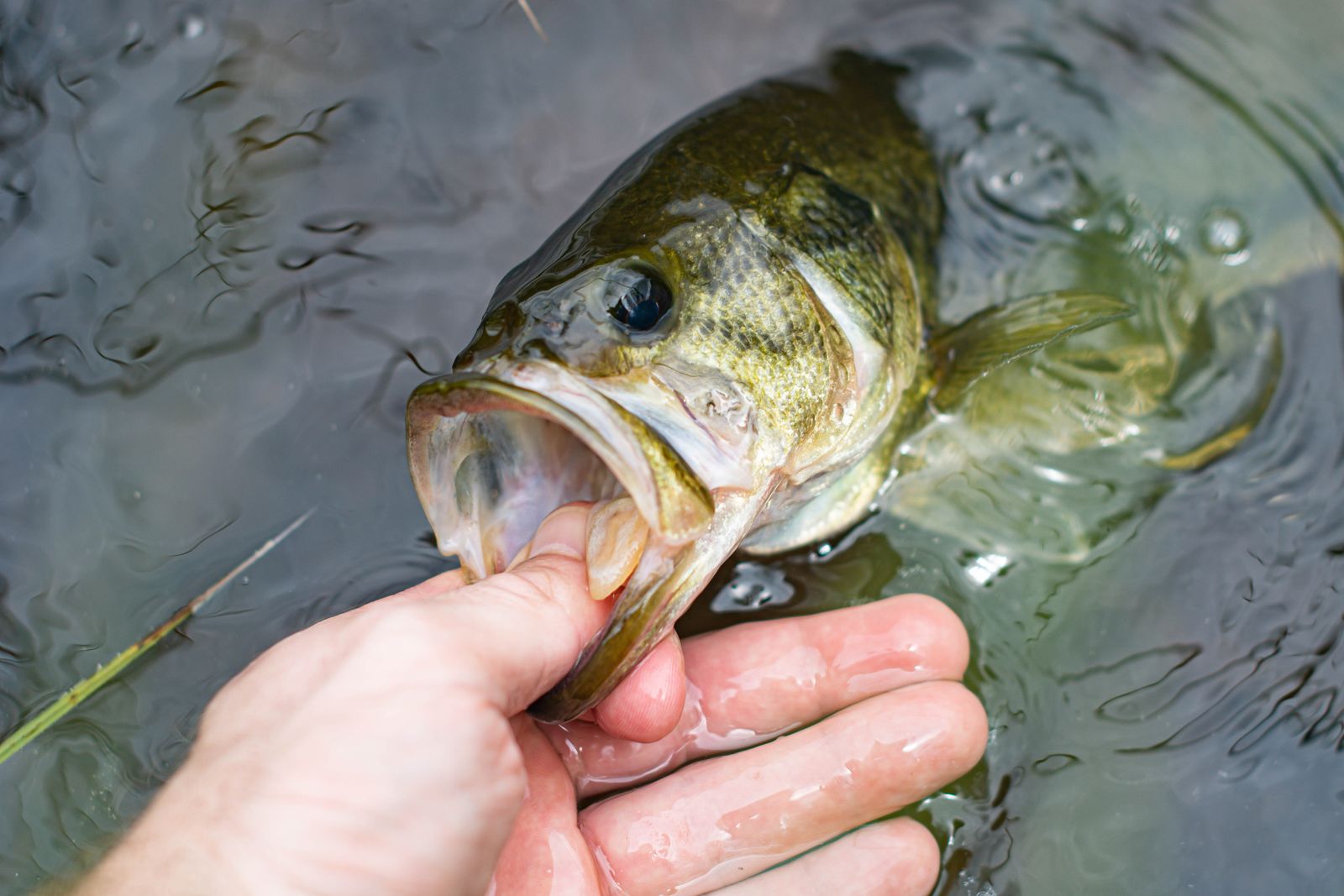
While Milford offers excellent fishing for various species, black bass remain the primary draw. The lake supports healthy populations of both largemouth and smallmouth bass, each presenting unique challenges and requiring different approaches.
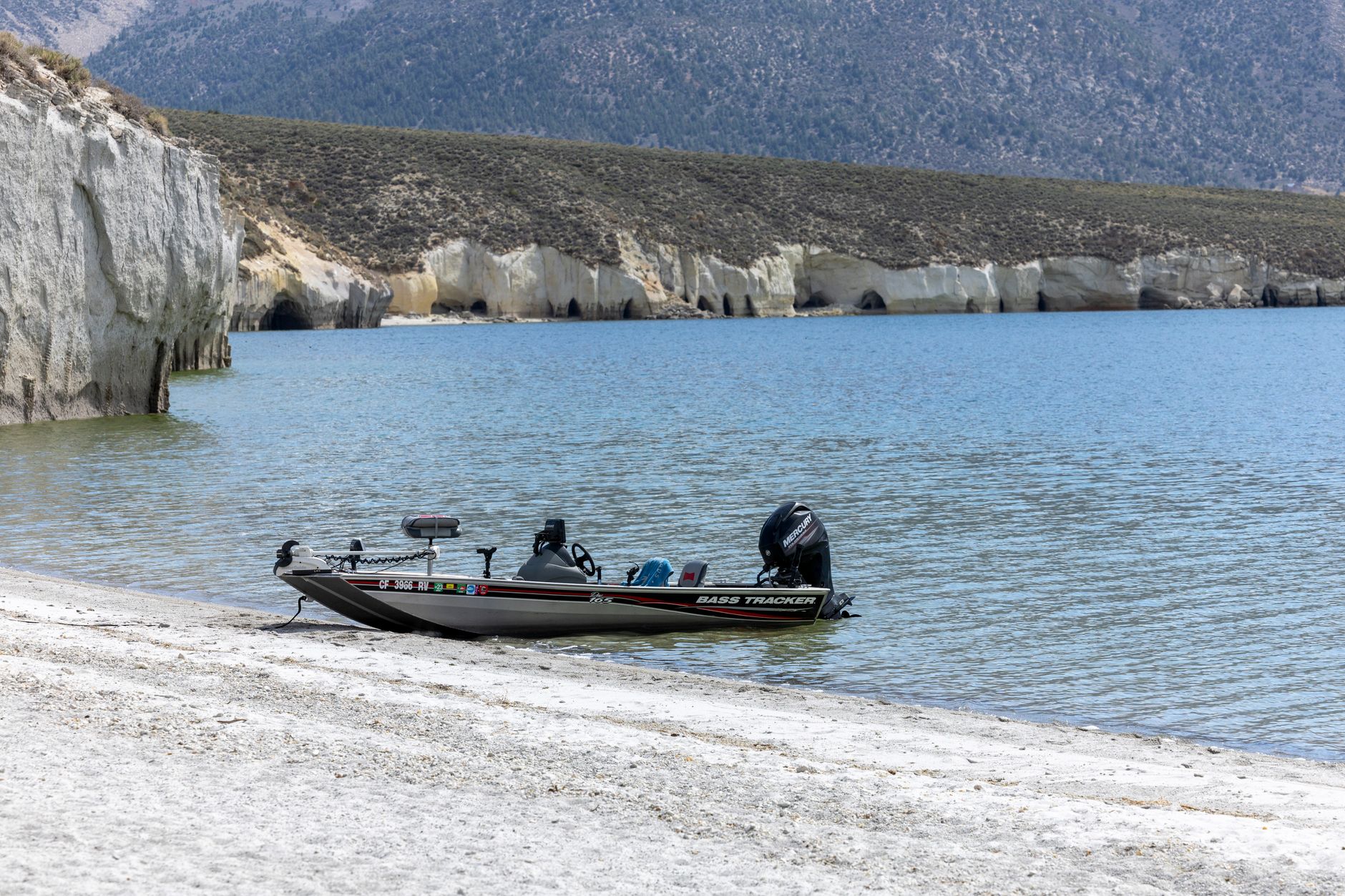
Largemouth bass dominate much of the lake's fishing conversation, and for good reason. These aggressive predators thrive in Milford's diverse habitat structure. "When looking for largemouth bass, structure is your best friend," explained Wally Stevens, an experienced angler who has spent countless hours studying the lake's bass patterns.
"When looking for largemouth bass, structure is your best friend,"
Championship Implications
Stevens emphasizes that successful largemouth fishing at Milford revolves around understanding the fish's relationship with cover and current. Areas with vegetation and brush piles consistently produce fish, while periods of high water flow from the dam create additional opportunities for anglers willing to adapt their approach. "It's vital to target areas that break the current, like points and coves," Stevens noted.
"It's vital to target areas that break the current, like points and coves,"

Seasonal patterns play a crucial role in largemouth success at Milford. Spring brings spawning activity that draws bass into shallow water near shore, creating some of the year's most accessible fishing. As temperatures rise through summer, these fish retreat to cooler, deeper structures where they relate to shade and thermal breaks.
"Using natural colors like green pumpkin or translucent hues can markedly improve your chances, especially in clearer waters," advised Stevens, highlighting the importance of lure selection in Milford's varying water conditions.
"Using natural colors like green pumpkin or translucent hues can markedly improve your chances, especially in clearer waters,"
Smallmouth bass present a different challenge entirely. These bronze-backed fighters prefer the clearer waters found primarily at the lake's southern end, where they relate to rocky structure and harder bottom composition.
"They have a preference for rocky structures, especially during spawning, which occurs slightly deeper than with largemouths," explained avid angler Mike Thompson. This depth preference requires anglers to adjust both their presentation and their approach to locating fish.
"They have a preference for rocky structures, especially during spawning, which occurs slightly deeper than with largemouths,"
Thompson stresses that smallmouth success at Milford often comes down to finesse. "Keep it natural; they respond better to realistic colors and smaller profiles," he said. Effective lures include Mepps spinners and 3-4 inch soft plastics, with downsizing being a consistent theme in smallmouth presentations.
"Keep it natural; they respond better to realistic colors and smaller profiles,"
**Crappie Provide Year-Round Action**
While bass fishing garners much of the attention, Milford Lake's crappie population provides some of the most consistent action available. Both black and white crappies inhabit the reservoir, often occupying similar areas but showing subtle preferences that observant anglers can exploit.
"Black crappies prefer clear waters while white crappies can thrive in slightly stained waters, but during the spawn in spring, both can mix together around rocks and brush," stated local fisherman Janet Peterson, who has developed a reputation for consistent crappie success.
"Black crappies prefer clear waters while white crappies can thrive in slightly stained waters, but during the spawn in spring, both can mix together around rocks and brush,"
The seasonal movement of crappies at Milford follows predictable patterns that help anglers stay on fish throughout the year. As spring temperatures moderate into summer, these panfish transition to deeper water, typically establishing themselves between 15-25 feet deep.
"In summer months, you can find them suspended near brush piles, making them easier to locate," Peterson explained. This predictable behavior allows anglers to develop consistent strategies for crappie success.
"In summer months, you can find them suspended near brush piles, making them easier to locate,"
**A Destination Built on Diversity**
What truly distinguishes Milford Lake in Kansas' fishing landscape is its ability to challenge anglers across multiple disciplines. The transition from power fishing for largemouth bass to finesse presentations for smallmouth, then to the precision vertical jigging required for suspended crappies, creates a comprehensive fishing education in a single location.
"It's all about patience and timing; get your lures in the right spots and you'll be rewarded," concluded guide Chris Johnson. This philosophy captures the essence of Milford Lake fishing—success comes to those who take time to understand the water and adapt to its changing conditions.
"It's all about patience and timing; get your lures in the right spots and you'll be rewarded,"
As word spreads about Milford's fishing quality, the lake continues attracting new visitors while maintaining the fish populations that made it famous. The combination of vast water, diverse structure, and healthy fish populations positions Milford Lake as a cornerstone of Kansas fishing culture for years to come.