
As spring fishing season approaches, anglers across the country are preparing to cast their lines in pursuit of one of freshwater fishing's most prized catches: trout. With their preference for cold, clean waters and opportunistic feeding habits, these fish present both challenges and rewards for fishermen of all skill levels.
Local fishing guide James McMillan, who has spent years helping anglers improve their trout fishing success, emphasizes that understanding trout behavior is fundamental to landing these elusive fish. "Trout thrive in cold, clean waters, making rivers, streams, and lakes their perfect homes," McMillan explains. "They flourish in oxygen-rich areas, often found in fast-moving waters with plenty of riffles and pools."
"Trout thrive in cold, clean waters, making rivers, streams, and lakes their perfect homes,"
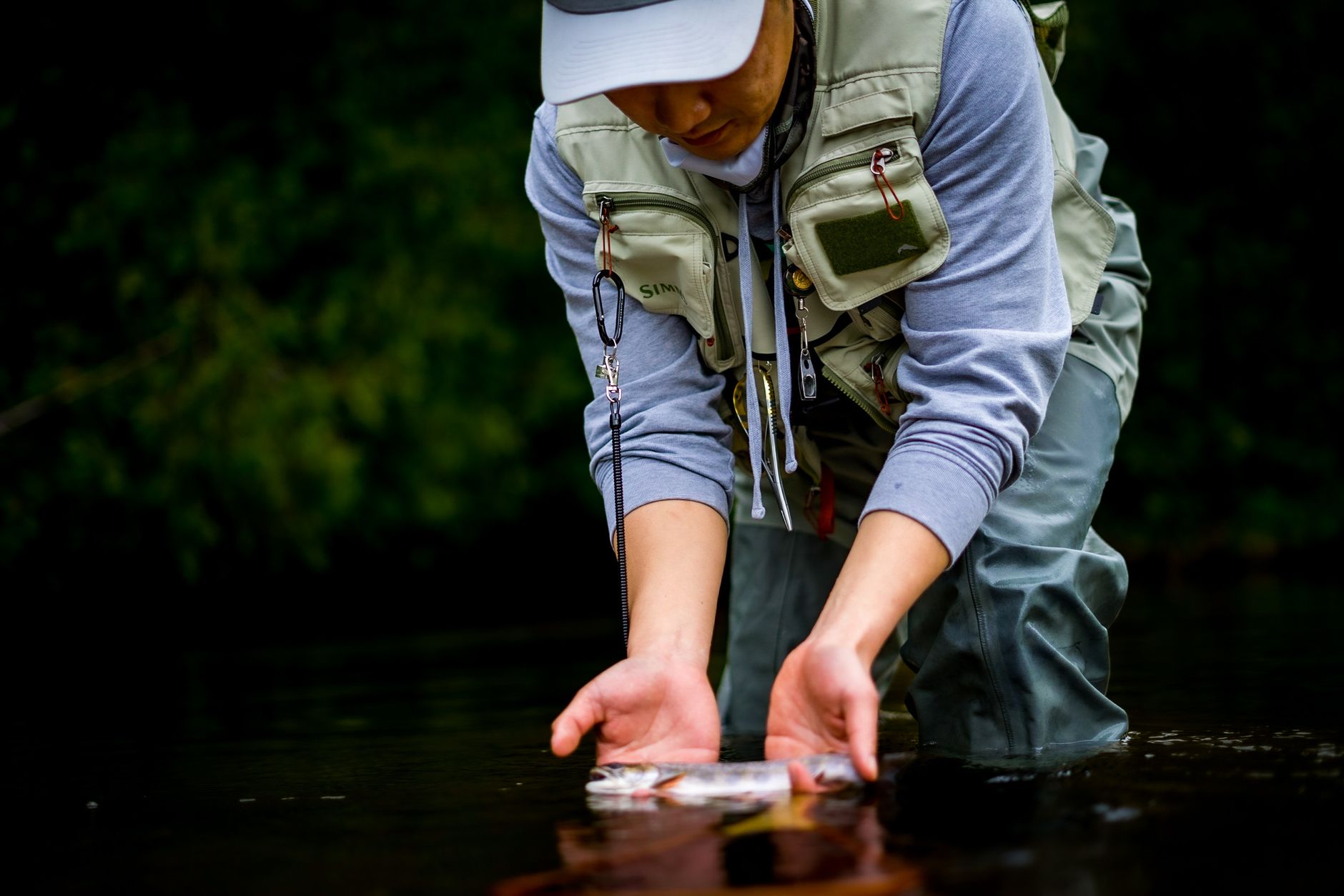
The habitat preferences of different trout species play a crucial role in determining where anglers should focus their efforts. Brook trout, known for their vibrant colors and fighting spirit, favor the cool, flowing waters of smaller streams. Meanwhile, brown trout demonstrate remarkable adaptability, thriving in various environments from natural waterways to stocked locations.

Impact and Legacy
Geographic location significantly influences where trout can be found. In the southern United States, these fish typically inhabit mountain streams and high-altitude reservoirs where cooler temperatures prevail. The Midwest offers different opportunities, with trout populating numerous freshwater bodies including rivers and managed lakes. "Stocked trout are commonly seen in managed lakes and ponds, where they have been trained to respond to specific types of bait," McMillan notes.
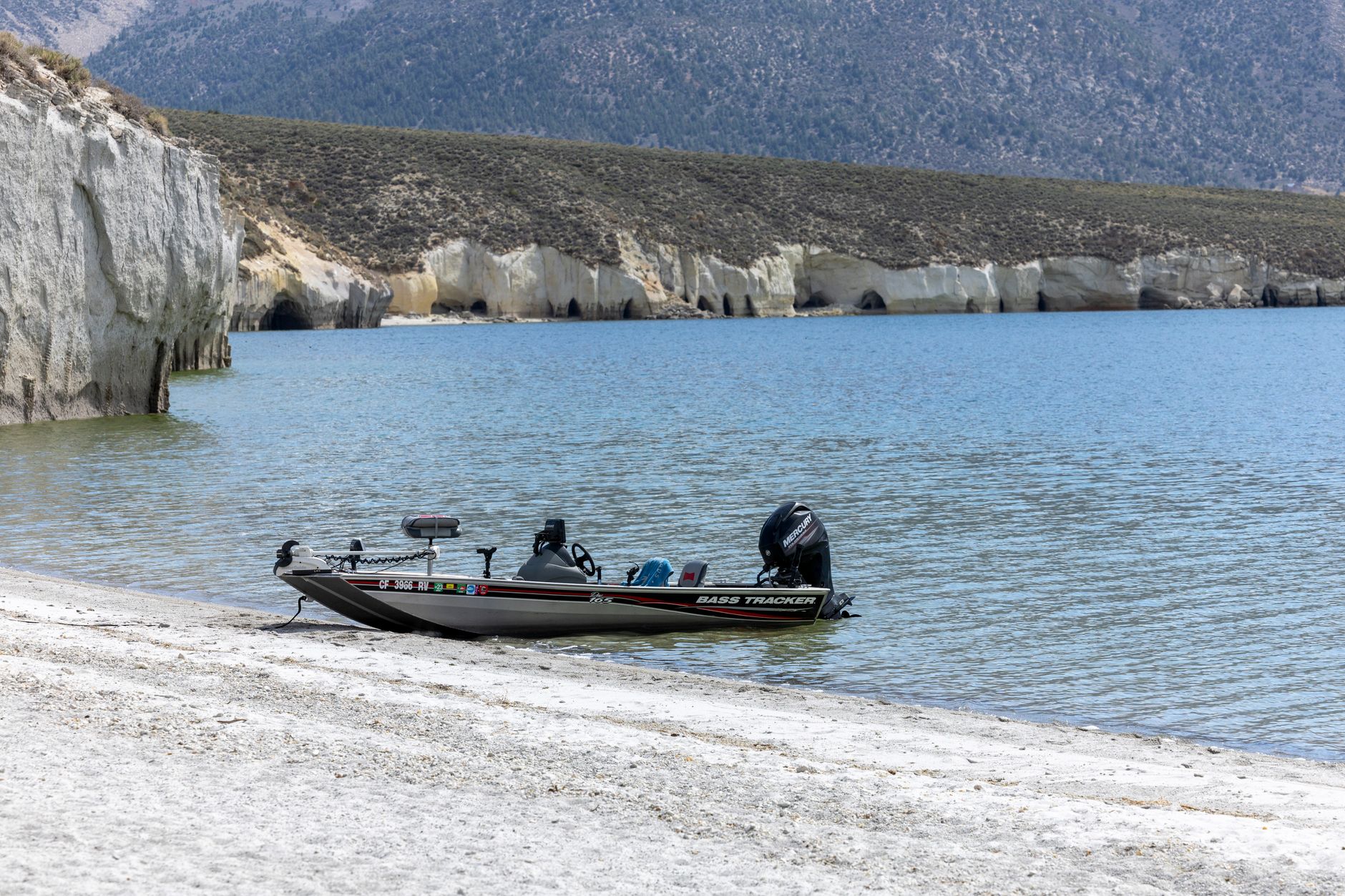
"Stocked trout are commonly seen in managed lakes and ponds, where they have been trained to respond to specific types of bait,"
Impact and Legacy
Understanding trout feeding patterns proves essential for timing fishing expeditions effectively. These opportunistic predators consume a diverse diet ranging from insects and larvae to smaller fish and crustaceans. Their feeding intensity varies considerably based on environmental factors. "Factors like water temperature and the time of day significantly influence when and how aggressively trout feed," McMillan observes.
"Factors like water temperature and the time of day significantly influence when and how aggressively trout feed,"
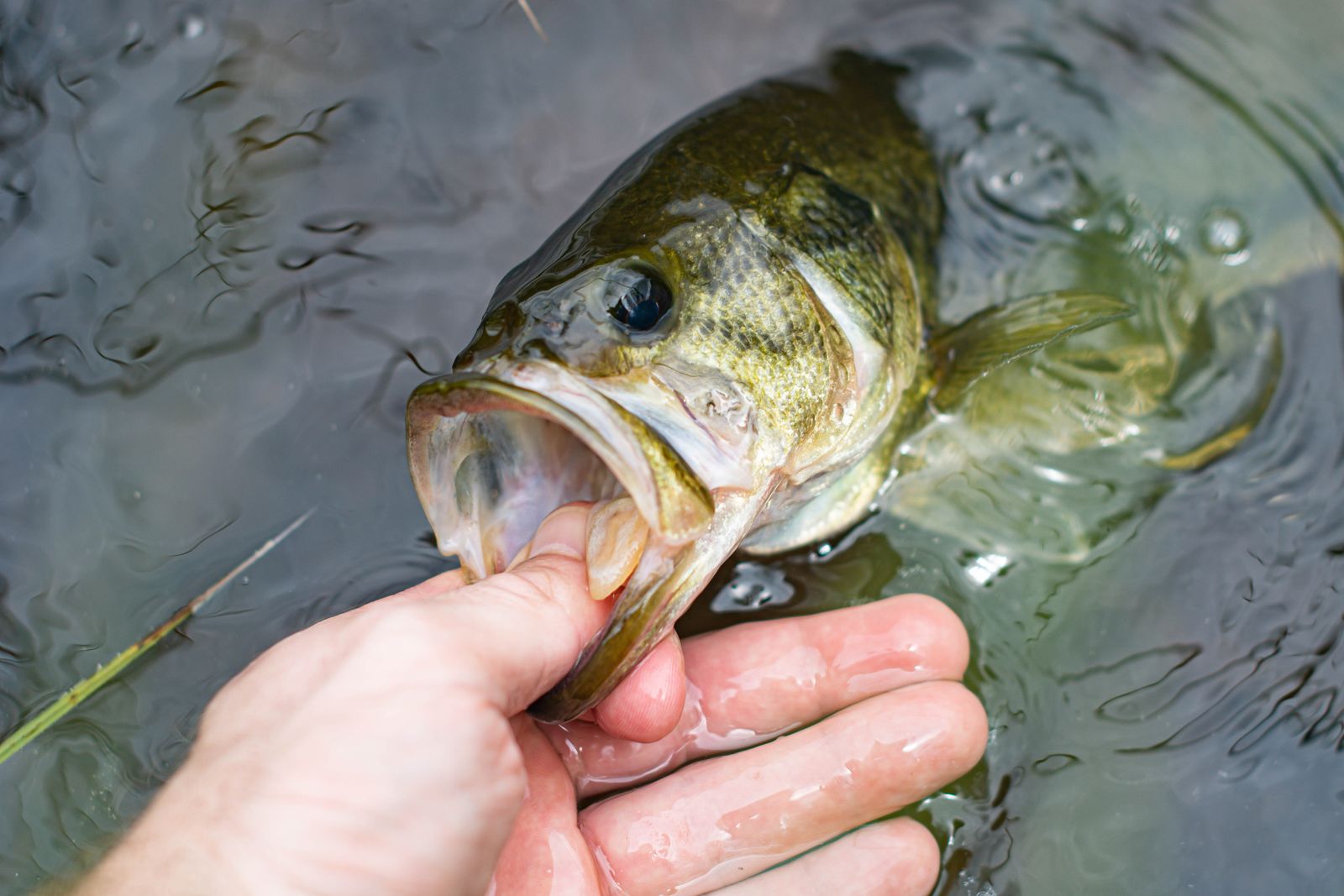
During warmer months, trout activity levels increase dramatically, creating prime opportunities for anglers to experience fast-paced fishing action. However, as temperatures drop in colder seasons, these fish become significantly less active, requiring anglers to adjust their strategies and exercise greater patience.
Seasonal behavior patterns offer valuable insights for planning fishing trips throughout the year. Spring presents unique opportunities as trout move into shallow waters for spawning, making them more accessible to shore-based anglers. This spawning behavior creates predictable fishing conditions for those who understand the timing and locations.
Career Journey
Summer brings different challenges as rising water temperatures force trout to seek refuge in deeper, cooler areas of lakes and streams. Successful summer fishing often requires targeting these deeper zones during early morning or evening hours when temperatures are more favorable.
Fall fishing offers another transition period with distinct advantages. "In fall, you'll find them returning to shallower waters in preparation for winter," McMillan explains. This seasonal movement creates opportunities for anglers to intercept trout as they adjust their behavior patterns for the coming cold season.
"In fall, you'll find them returning to shallower waters in preparation for winter,"
Equipment selection can make or break a trout fishing expedition. McMillan recommends starting with a lightweight fishing rod equipped with a flexible tip, which provides the sensitivity needed for casting delicate lures while maintaining the responsiveness required to detect subtle bites. "Combined with a smooth, responsive reel, it ensures that you have control over your line retrieval," he states.
"Combined with a smooth, responsive reel, it ensures that you have control over your line retrieval,"
Fishing line choice requires careful consideration of both target fish size and water conditions. Light to medium-weight lines, typically ranging from 4 to 8 pounds, suit most trout fishing scenarios effectively. For situations involving particularly wary or "spooked" trout, fluorocarbon lines offer advantages due to their low visibility underwater. Proper selection of hooks, sinkers, and floats further contributes to effective bait presentation.
"spooked"
Lure and bait selection opens up numerous possibilities for attracting trout. "Spinners and spoons are popular choices, creating vibrations and flashes that can attract trout from afar," McMillan shares. These artificial lures excel at covering water quickly and triggering aggressive strikes from active fish.
"Spinners and spoons are popular choices, creating vibrations and flashes that can attract trout from afar,"
Soft plastic baits that resemble worms and other small creatures provide versatility across various fishing conditions. Their lifelike appearance and movement often prove irresistible to feeding trout.
Fly fishing enthusiasts can capitalize on trout's insect-focused diet by using artificial flies that accurately mimic local insect populations. Success often depends on matching the specific insects that are hatching or active during fishing periods.
"Live bait such as worms and minnows are always an enticing option, proving natural bait can often outmatch artificial alternatives,"
The key to consistent trout fishing success lies in adapting techniques based on environmental conditions, seasonal patterns, and local fish behavior. By combining knowledge of trout biology with appropriate equipment and presentation methods, anglers can significantly improve their chances of experiencing memorable fishing adventures throughout the season.