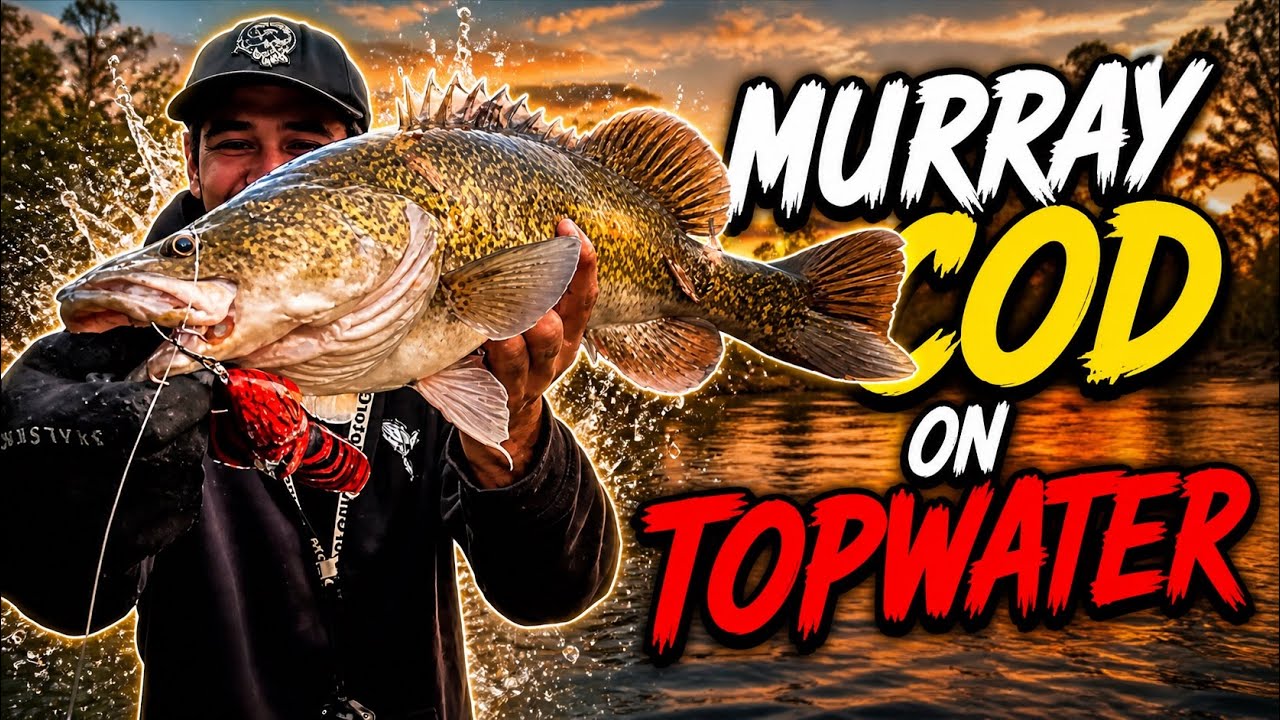
An overnight session on the Murray River turned into a proving ground for hand-built surface lures this week, with Fishing With DJB landing a chunky 60 cm yellowbelly on a homemade wooden topwater that already had teeth marks in it before the trip began.
DJB has been carving and painting his own surface baits in the shed, deliberately avoiding YouTube tutorials so he could learn from the early mistakes himself. Most of the early-batch lures sat dead in the water until he realised he'd been gluing the bibs upside down.
"I set myself the challenge to not watch any tutorials on how to do this. I've just been winging it and sort of learning from my mistakes, but I think they're coming pretty good," he said. Once the bibs flipped, every lure in the box started swimming.
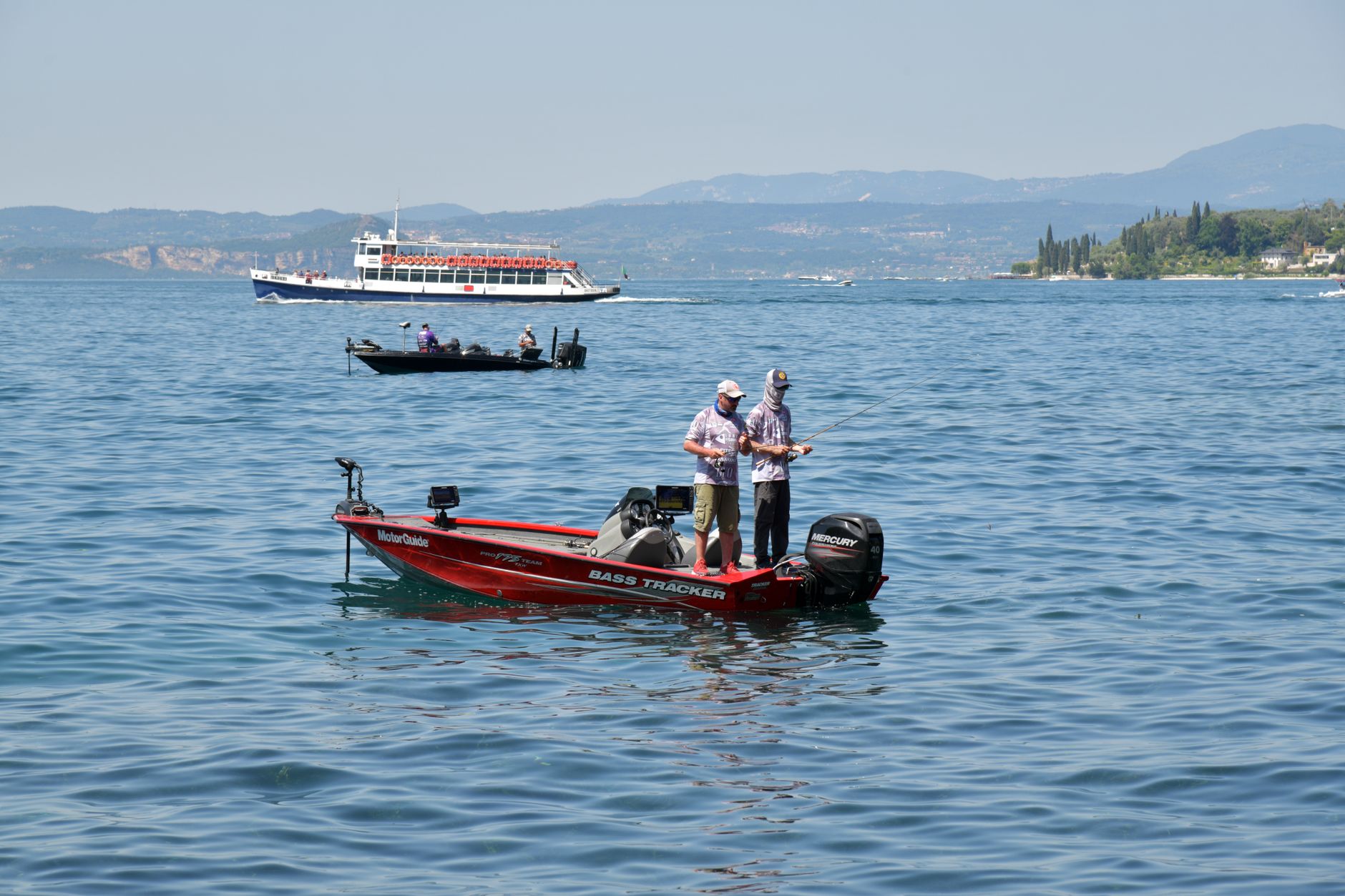
The afternoon session ran on the same stretch of bank he was planning to fish at sunrise. A small Murray cod went first. The yellowbelly that turned the trip didn't want to eat - it just wanted to hurt the lure. "I don't think he's keen on eating it. I think he's just keen on hurting it," DJB said. "He's got to get a face full of hooks."
A second cast back into the same swirl finally hooked it. The fish measured around 60 cm and came in on a homemade lure that DJB clearly hadn't expected to hold up under sustained slapping.
The biggest tactical takeaway from the trip wasn't the lure build, however. It was the follow-up cast. DJB worked the same ambush points with the same baits whenever a fish missed on the first take, slowing the retrieve and twitching the lure to keep the fish interested instead of moving on to a fresh spot. "I would have stopped winding there," he told the camera after one swirl. "I reckon he's going to come back."
A Sunday morning follow-up with a mate fishing from a blow-up boat alongside produced a smaller cod, with the bigger fish landing in the net before it could find timber. DJB finished the trip with the same lure - teeth marks, paint scratches and all - back in the rotation for next time.
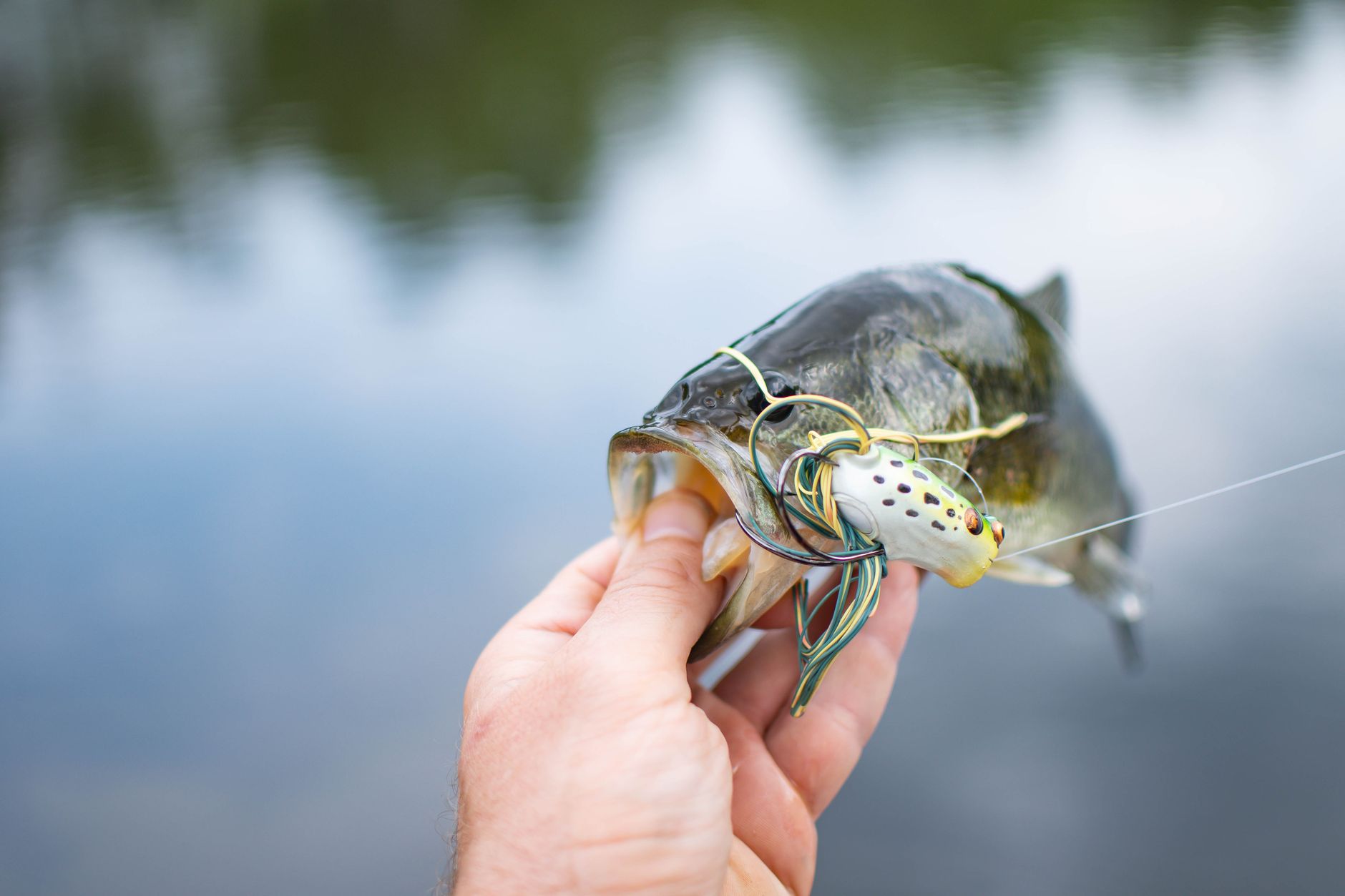
For anyone who has been thinking about building their own wooden surface lures for native fish, the trip is a useful reminder that fish-catching cosmetics don't have to be perfect. The right shape, the right action and a slow profile in the strike zone seem to do the heavy lifting on the Murray, even when the lure has come straight off the workbench.