Deadly Shark Season Pushes NSW to Expand Drone Patrols
After four fatal shark attacks in 2026, including deaths among spearfishers and divers, NSW is expanding its dawn-to-dusk drone program to 72 beaches. Officials and critics disagree on what the A$120m plan means for the anglers most exposed.
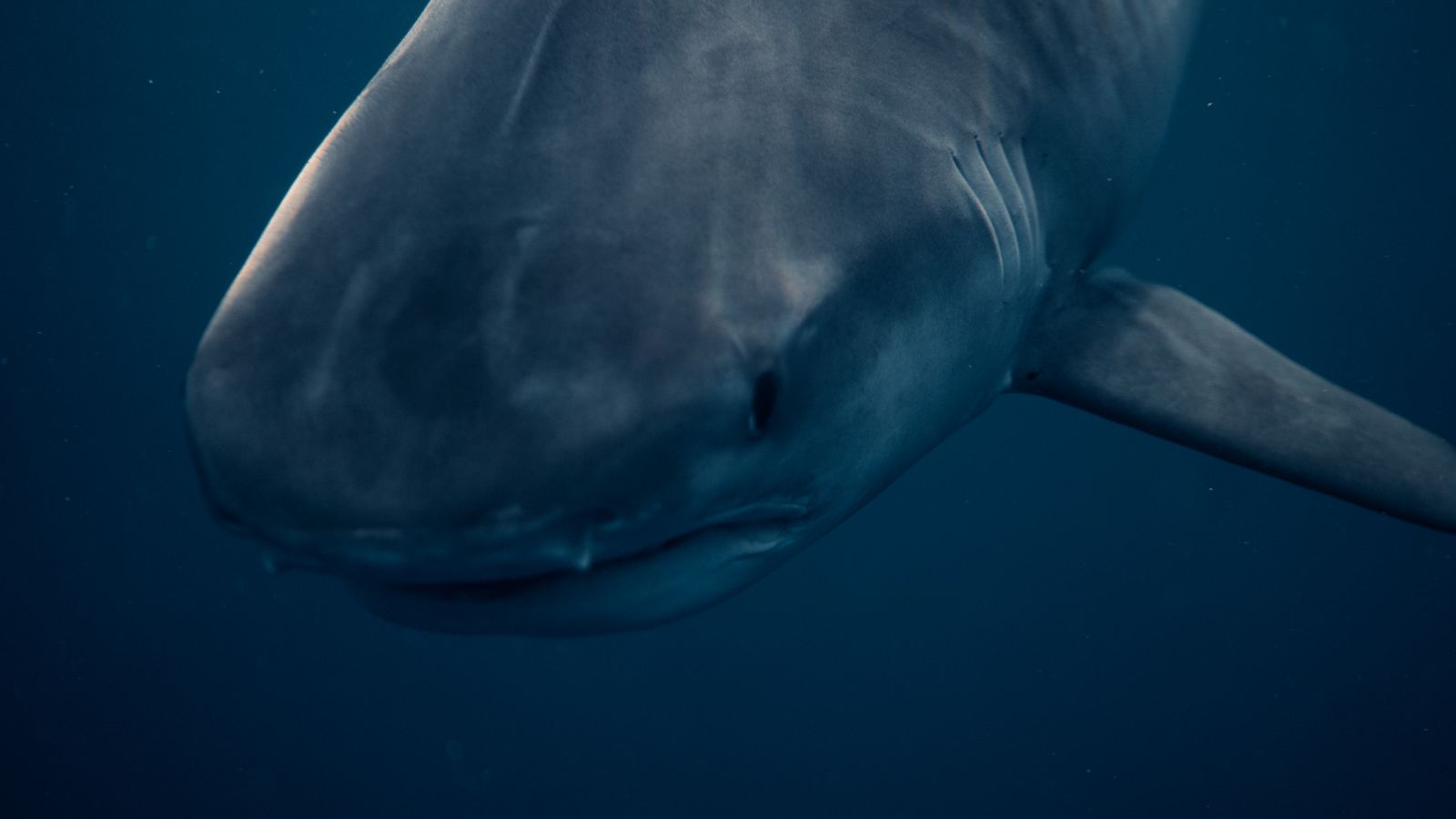
Australia has recorded four fatal shark attacks in 2026, a toll that has landed hardest on the people who spend the most time in the water. Several of this year's deaths came in a cluster of attacks in late autumn that claimed spearfishers and divers, not swimmers between the flags. Now New South Wales is expanding one of the largest shark-surveillance operations in the world, and everyone who shares the coast, anglers included, is watching how it holds up.
The trigger for the latest push was an attack close to home. On June 13, Sydney schoolteacher Leah Stewart was mauled by a great white, estimated at between nine and 13 feet, while swimming between the flags at Coogee Beach. She was left in critical condition. An attack at a patrolled inner-city beach rattled a city that assumed its most closely watched sand was safe.
In response, the NSW government has committed 120 million Australian dollars over two years to shark mitigation, with an extra 34 million directed specifically at drone patrols. From July 1, dawn-to-dusk drone surveillance runs year-round across roughly 72 beaches from Palm Beach to Cronulla and up the North Coast.
Premier Chris Minns framed the money as buying information, not guarantees.
"We know people love getting out to our beaches, and they should feel confident doing it," Minns said. "While no one can ever promise no shark interactions, this investment is about putting more eyes in the sky so we can spot sharks earlier and give people a clear heads-up when they're in the water."
Surf Life Saving NSW, which flies the drones, says the program already works at scale. Chief executive Steve Pearce said crews "conducted more than 100,000 flights and identified and prevented over 2000 sharks interacting with swimmers and surfers" this year alone.
Agriculture Minister Tara Moriarty kept the message plain: "NSW has some of the most beautiful beaches in the world, and we want people to enjoy them safely." Pittwater MP Jacqui Scruby, whose electorate takes in some of the busiest surf on the northern beaches, called the ocean "part of who we are and our daily lifestyle."
Not everyone backs the wider shark-control toolkit. The animal-welfare group PETA has argued against lethal measures such as nets and drumlines, insisting that killing sharks solves nothing and that the animals are simply living where they have always lived. The drone program is non-lethal, a distinction its supporters lean on hard.
For the spearfishing and land-based angling community, the calculation is more complicated. Drones patrol the crowded, flagged beaches, not the headlands, estuary mouths and offshore reefs where most fishing and diving happens. Several of the year's fatal encounters involved people well outside those patrolled zones. Whether 120 million dollars of eyes in the sky changes anything for those fishing beyond the flags is a question the coming summer will answer.