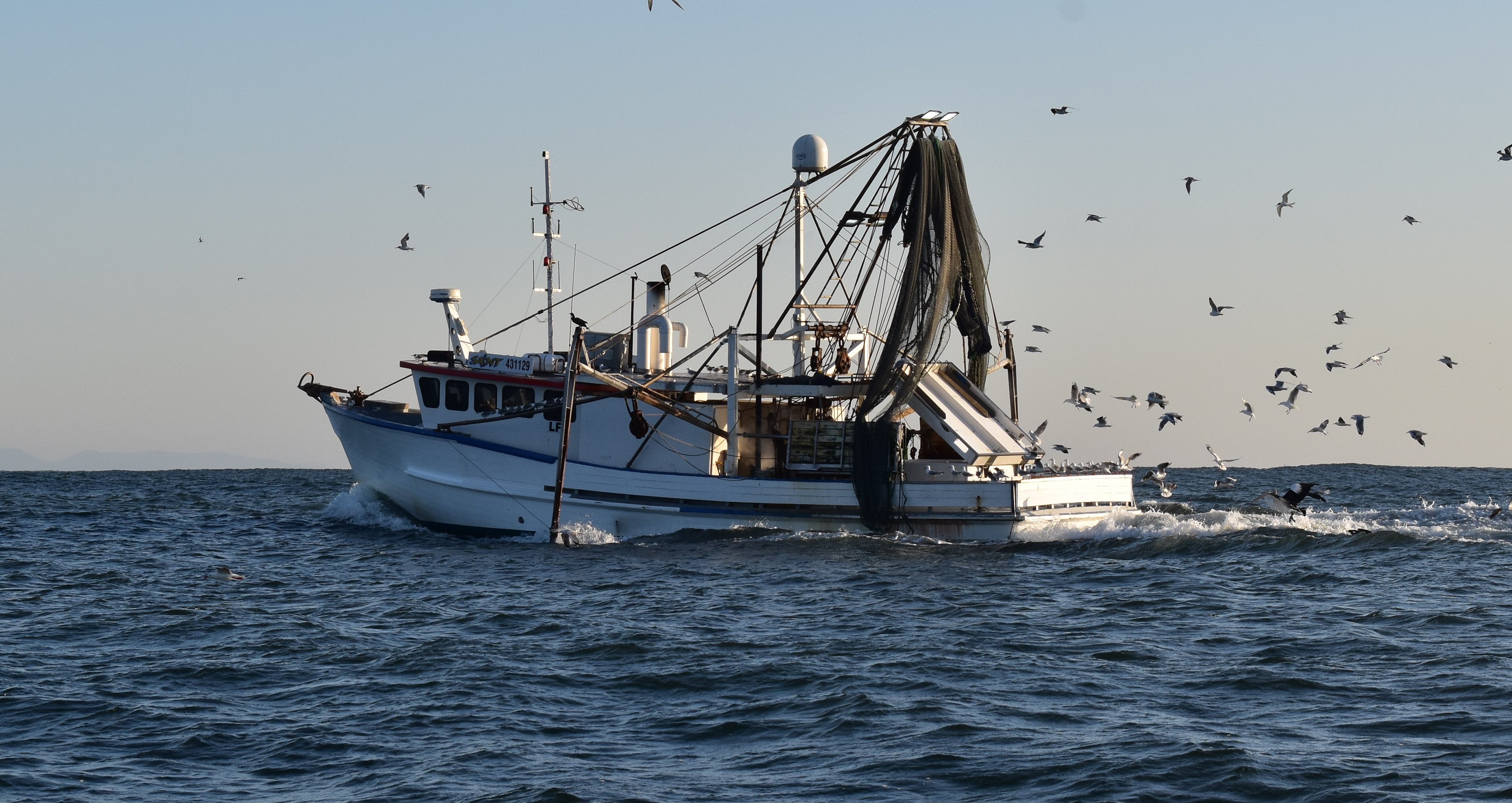
Australia's largest wild-caught tuna and swordfish operator says his fleet is heading out on its 'last trip' as runaway diesel costs threaten to capsize the country's commercial fishing industry, with Mooloolaba and Gold Coast operators warning of 'potential collapse' without urgent federal intervention.
Pavo Walker, CEO of Sunshine Coast-based Walker Seafoods, told 612 ABC Radio Brisbane that the family-owned business, which operates a fleet of five vessels and employs about 60 people, has reached the end of the line. Each vessel burns up to 25,000 litres of diesel a month and the company's monthly fuel bill has more than doubled.
"We've gone from $100,000 a month to $250,000 in fuel," Walker said.
"We have to give our staff four weeks' notice and I have to give my landlord four weeks' notice, we're just basically going to wrap it up now. There's no point in continuing unless the federal government does something urgent for primary producers. The fuel excise, the road excise we get returned anyway. We can't just go out there losing hundreds of thousands of dollars every month."
The federal government's announcement that it would halve the fuel excise for three months was, in Walker's view, far too small a lever to keep his operation afloat.
For 42-year-old wild-caught seafood business Mooloolaba Fisheries, one of the busiest in south-east Queensland, the maths are equally grim. General manager Paul Schenk said the cost to catch a single kilogram of prawns has nearly doubled in a matter of months.
"Before the war [in Iran], $5.20 was the cost of diesel to catch one kilo of prawns. Today it's $9.60," Schenk said. "It's gone up at least $4 per kilo. The public just aren't willing probably to pay that much more for prawns."
"The prices in our shops and our markets are not raising for Easter," he said. "But moving forward, the industry is in potential catastrophe and I would say potential collapse."
Gold Coast Fishermen's Co-Op co-director Richard Hamilton said his fishers were paying well over $3 a litre for diesel, with bills jumping roughly 80 percent in three weeks. Their margins are being further crunched by bad weather that has limited boats to overnight trips and stopped them building any frozen reserves.
"Diesel's increased about 80 per cent in the past three weeks, so it's a big impact on the viability of the boat," Hamilton said. "We're paying well over $3 per litre and at the moment we're viable, but we don't know what's going to happen after the long-weekend break. Our boats are only doing overnight trips because they're not working too far away. There's not a lot of frozen product that's been stored up, we've been selling it as we catch it."
If fuel costs keep climbing, Hamilton said the choice would simply be whether to leave the dock at all.
"If we can't turn the product over then it's the case that it's not viable to go to work and we'll have to tie the boats up," he said.
Seafood Industry Australia chair Kyri Toumazos welcomed the temporary excise cut but said far more was needed to safeguard the industry, especially given that only about 30 percent of seafood consumed in Australia is locally caught, farmed or processed.
"We want to produce affordable seafood for the community and this is really impacting that opportunity to do so," Toumazos said.
For the punters at Mooloolaba Fish Market, where prawns were running between $29.90 and $53.90 a kilo, retail manager Peter Slater said the goal was to keep customers walking through the door even at the cost of margin. "I think everybody's going to wear less profit, we still need to catch fish," Slater said.
For recreational anglers, the takeaway is starker than a fuel bill. If Walker Seafoods, Mooloolaba Fisheries and the Gold Coast co-op all step back from the water, locally-caught species at the fish market shrink and imports fill the gap. The industry's warning is unambiguous: without a long-term federal response on fuel, the next generation of Australian commercial fishing will not be a generation at all.