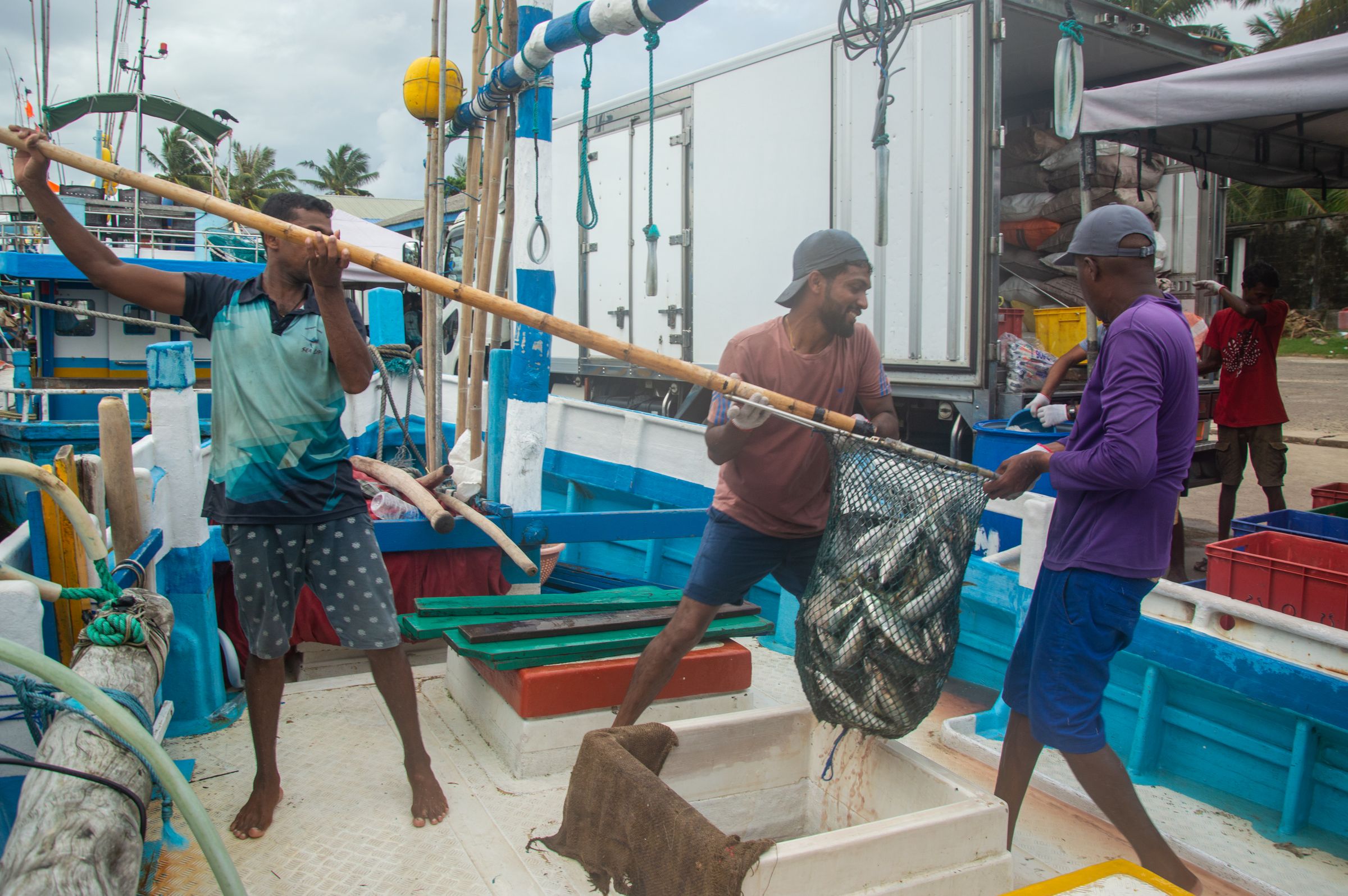
The people who catch America's seafood are aging out, and too few newcomers are taking their place. In California the typical commercial captain is now 48, and the trade is openly worried about who comes next.
San Diego is the cautionary tale. The self-styled "Tuna Capital of the World" once put 40,000 people to work in tuna alone; today about 130 local commercial fishermen remain, and only around 10 percent of the seafood eaten in the city is caught by local boats.
Pay is a big part of why. Median crew earnings in the region fell from $90,468 in 2014 to $61,592 in 2024, and captains' pay dropped from $173,271 to $108,972 over the decade, according to CalMatters. Deckhands in San Diego earn between $15,000 and $50,000 a year, under the area's $57,083 per capita income.

"It goes to show you that a deckhand in the fishing business can't afford to live in San Diego. And that's the problem we're getting at," said Peter Halmay, the 85-year-old urchin diver who founded the San Diego Fishermen's Working Group.
To widen the pipeline, the Scripps Institution of Oceanography began an apprenticeship in 2020. Eleven people have graduated and six are still fishing; trainees complete roughly 130 hours of shore instruction — navigation, safety, engine repair and business — plus about 1,000 hours at sea.
"Fishing isn't just dropping your line in the water. You need to know navigation and safety and fishing and engine repair and business," said Theresa Talley, a coastal specialist with California Sea Grant, who added that the program is "revealing a lot about what needs addressing within the industry, if we really want a resilient, sustainable food system with seafood as a part of it."
Some recruits switched careers entirely. Peter Brownell left sociology for the deck. "I definitely was interested in being in the water and operating boats, in my efforts to not be operating a desk," he said — though he is frank about the risk: "Most of what I was making on my own was fishing sanddabs, but then that fishery closed. That's part of the vagaries of commercial fishing, is that you work on something that may not continue to be available to you." His verdict on the economics is sober: "If you're entirely reliant on commercial fishing for all your economic needs, that's a hard puzzle to put all the pieces together to make that work consistently year after year."
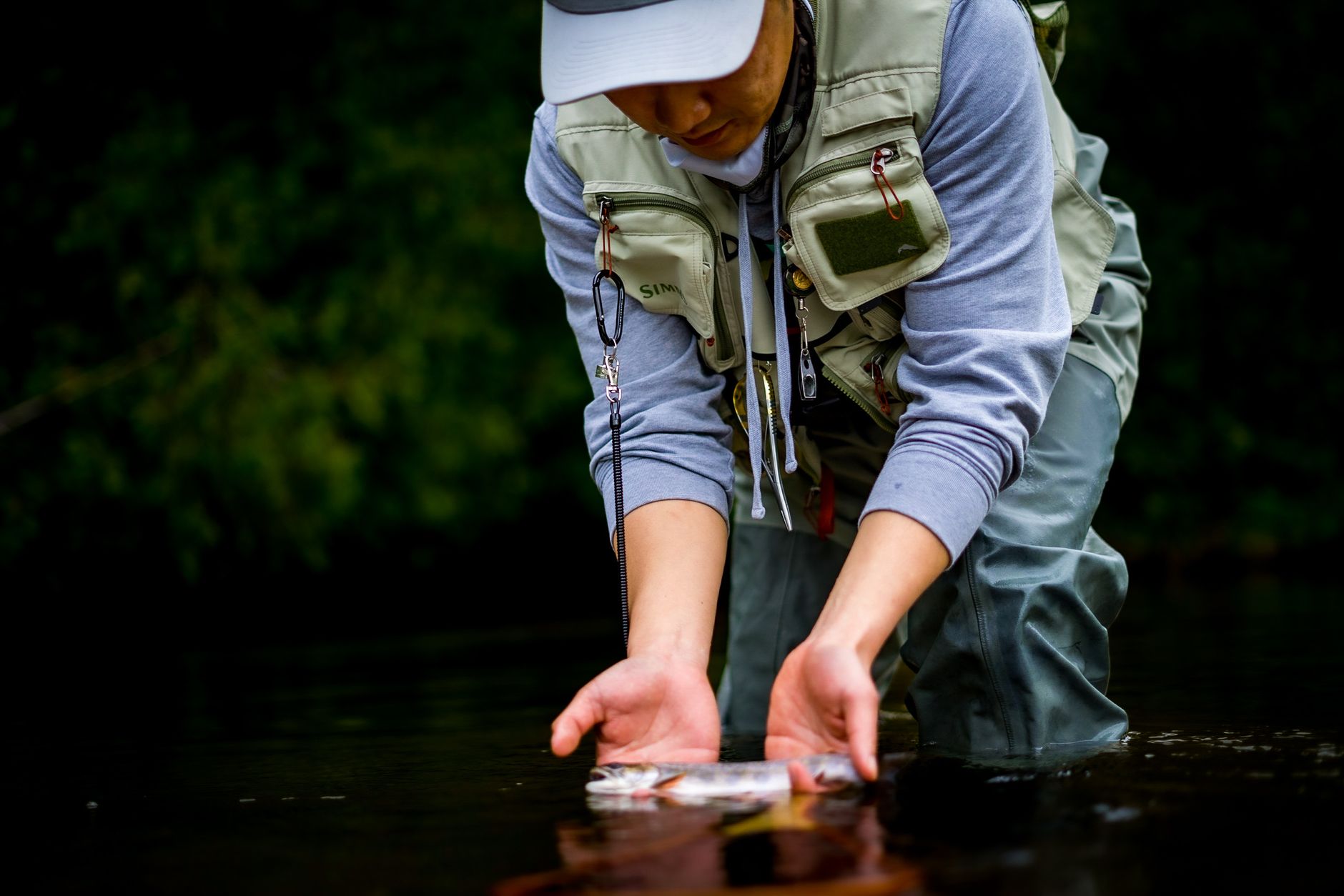
Darian Schramm, who left programming to run Paramount Fish Co and now mentors apprentices, tells newcomers not to dabble. "This is getting your feet wet. You can't halfway do it, you have to fully believe in it," he said.
For those who stay, the draw is real. Shane Volberding, 27, traces his to childhood: "When I was in Boy Scouts I was the kid catching all the fish and the other kids were wondering, how I was catching all the fish? I had a knack for it." Congress has renewed the Young Fishermen's Development Act to fund exactly this kind of training. Halmay says money alone will not do it: "You've got to change the fishing culture and you have got to make the fishermen and the public appreciate this culture."