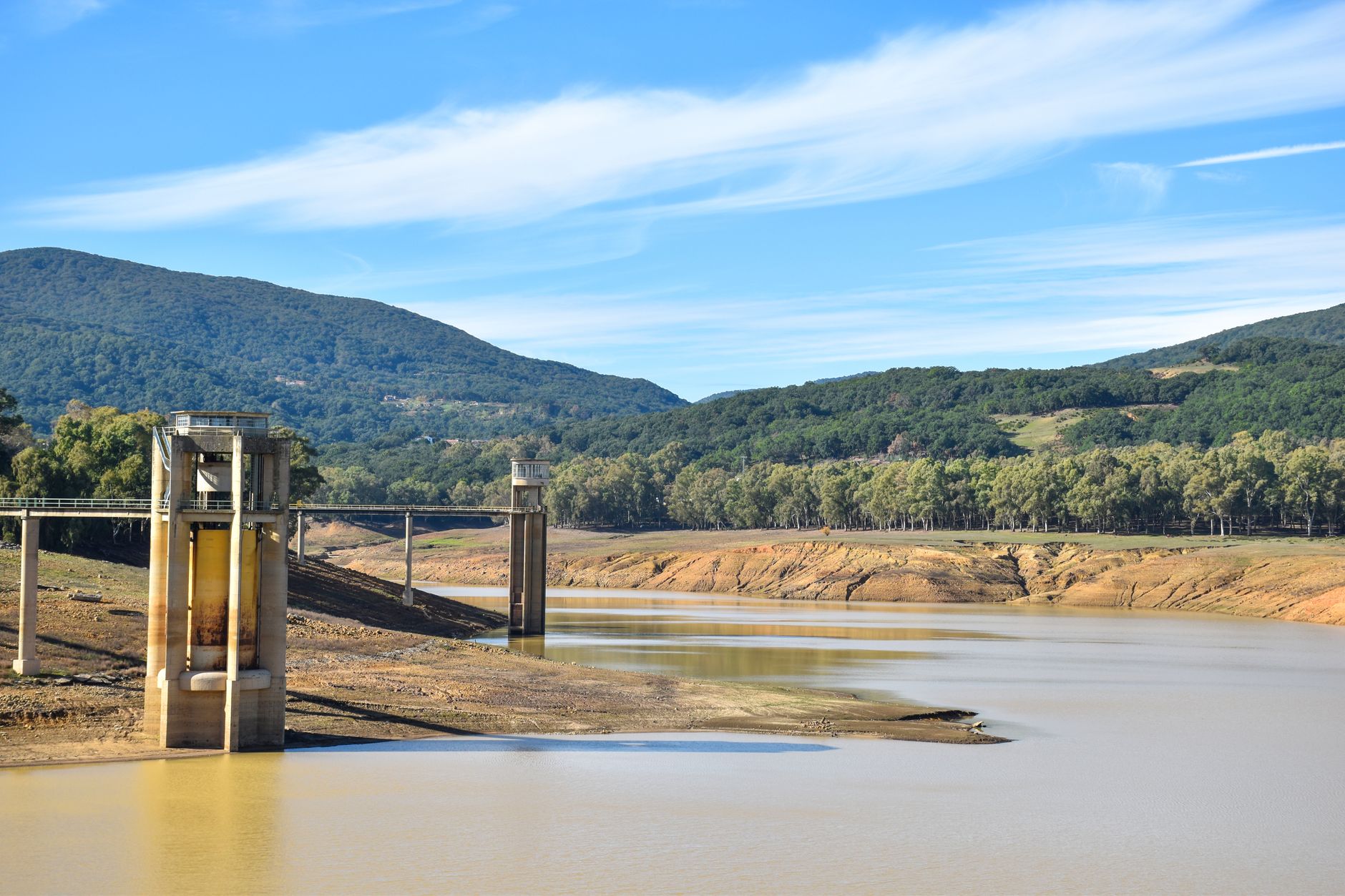
Four fish salvage orders have gone out across the interior West this summer, three of them in Idaho, and every one carries the same instruction to anglers: keep everything, because these fish are not going to make it to autumn.
Oakley Reservoir is the latest. The Oakley Canal Company is draining it outright after a thin winter snowpack left nothing to sustain the fishery, and Idaho Fish and Game's Magic Valley region has suspended bag, possession and size limits from 13 August through 1 November. Anything but firearms, explosives, chemicals and electric current is a legal method. The licence requirement stays.
Anglers did not wait for the water to drop further.
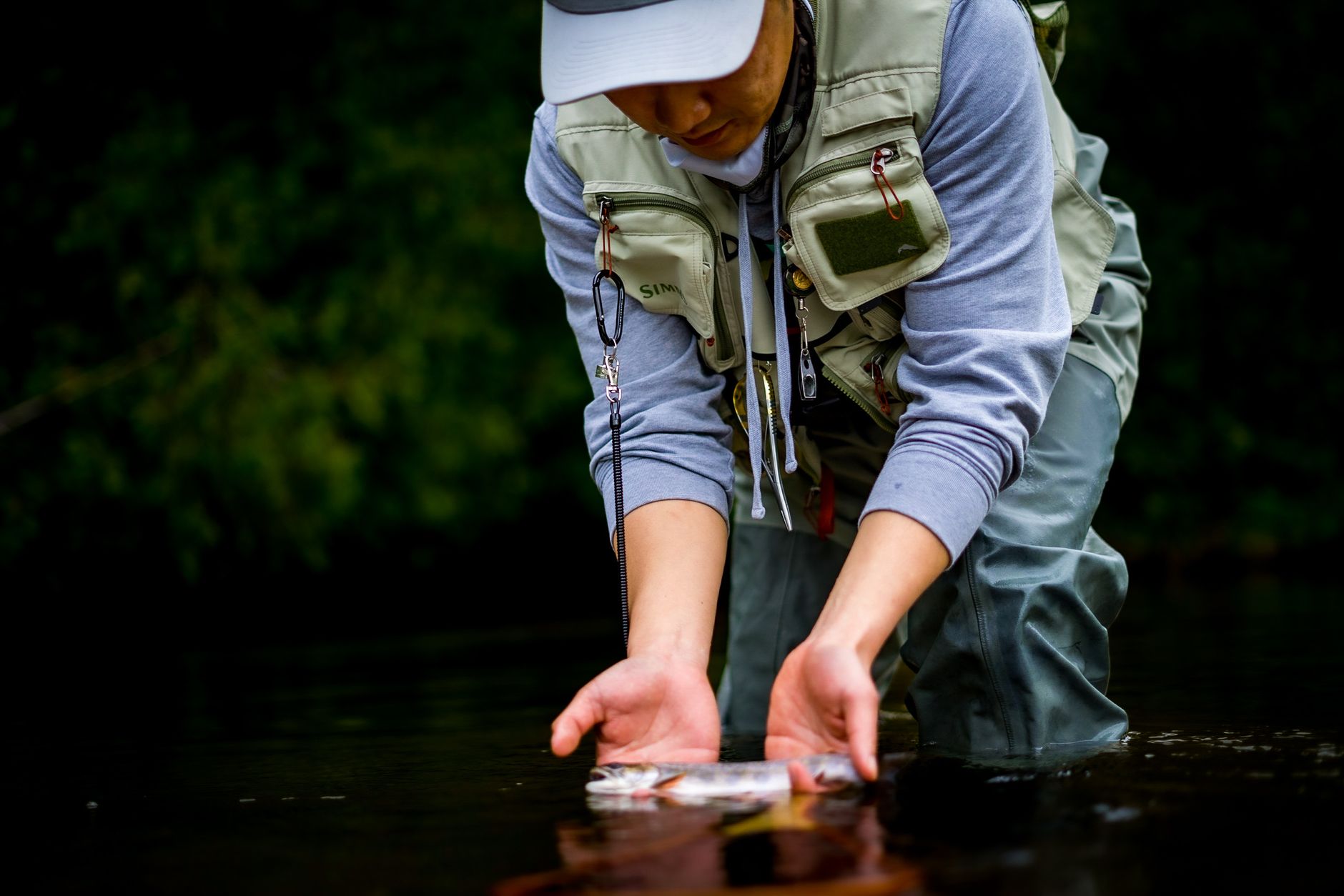
"We're out today to get some of the salvage fish that are here from the draining of this reservoir," Zachery Gonzalez told KMVT. "It's a great resource and we're glad to be out here."
Joe Gonzalez, fishing the same shoreline, had nothing in the bucket and was in no hurry. He said he was "checking to see what fishing conditions are like and enjoy the beautiful scenery." He also rated Oakley over the earlier salvage upstream on access alone: "Like the Magic Valley salvage, this is a lot easier to access - there's no private properties that you have to worry about."
How long the rebuild takes is an open question. Regional Fisheries Manager Mike Peterson has put it at a few years, and the agency has been careful to tie any restoration - walleye included - to future water and habitat conditions rather than a date.
That earlier Magic Valley order came in July, when Magic Reservoir dropped to 7.6 percent of capacity and the Big Wood Canal Company shut water through Magic Dam. Fish and Game opened the Big Wood River below the dam to unlimited harvest through 1 October.
Anglers there have watched the water retreat for years. "We camped 4 or 5 years ago at Myrtle Point and we walked 10 feet off the road, and we were in the water... now we're about a mile from Myrtle Point... it's bad," David McClure of Jerome told Idaho News 6.
Jon Jund, four decades into fishing the place, reached back to the 1980s for a comparison. "I've never seen the reservoir this low since probably the mid-'80s," he said. He backed the salvage anyway, on straightforward grounds: "Well, it's better than letting them die, because they won't live without water."
The catching, perversely, is good. Low water concentrates fish. "There is still a lot of fish out here... I just talked to that one guy, he said he caught 17... we've caught about 5 - released them and kept one of the bass so far," McClure said.
Over in Franklin County, Twin Lakes Canal Company is drawing Winder Reservoir down for irrigation, with Fish and Game expecting it dry by 4 September. The salvage there runs to 31 October. Limits and rod caps are off, everything caught must be kept, live fish cannot leave the reservoir, and no motorised boats are permitted.
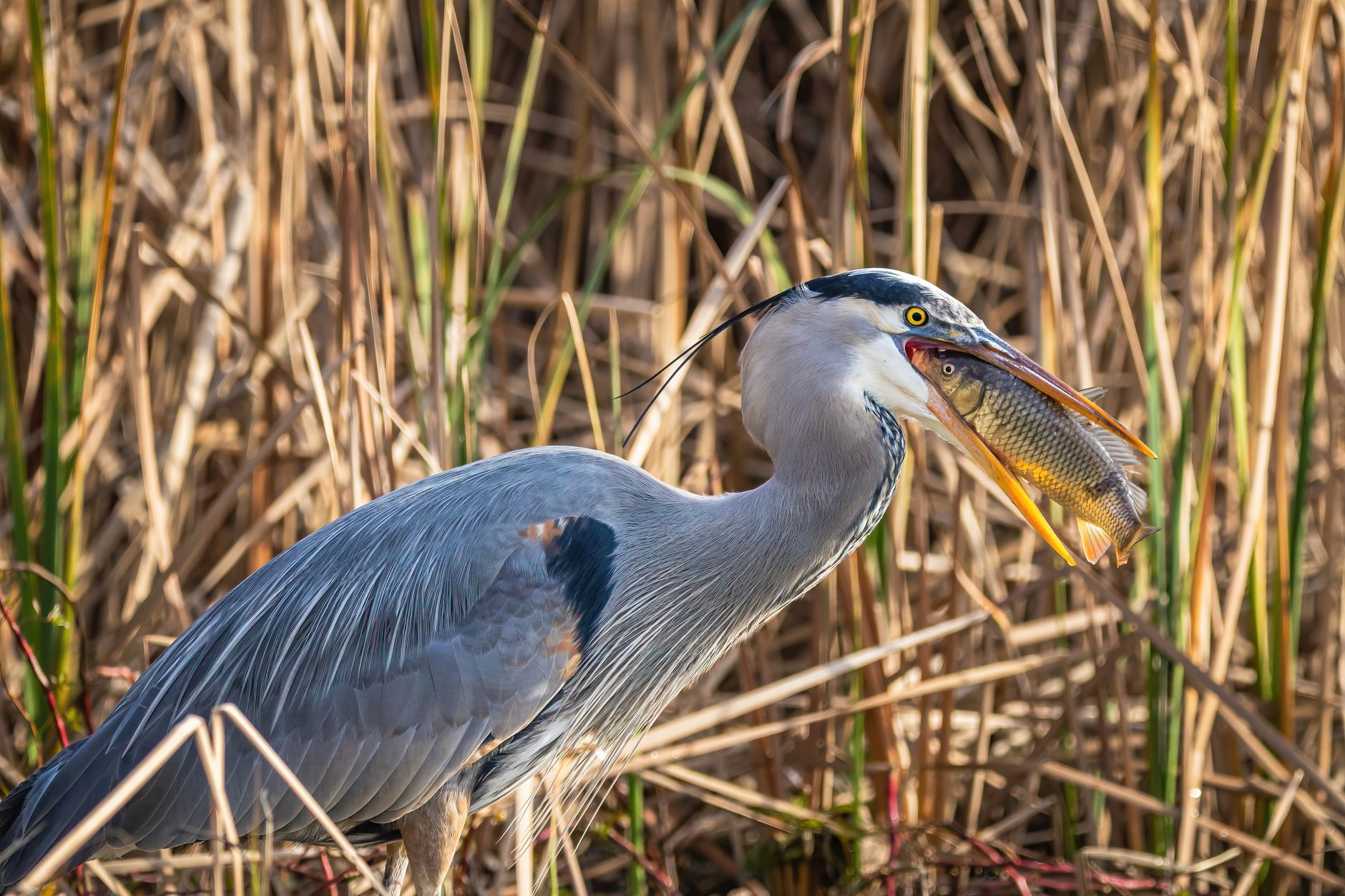
Colorado joined in on 12 August. Colorado Parks and Wildlife declared an emergency public salvage at McKay Lake Open Space in Westminster, scrapping bag and possession limits, the flies-and-lures rule and the catch-and-release requirement on largemouth bass. Stocked largemouth, channel catfish and black crappie are all in play, as are carp. Shore fishing and permitted hand-launched craft only.
McKay is not an isolated case in Colorado either - the state's drought-related closure and restriction list has climbed past forty waters.
None of these orders is a management choice in the usual sense. Agencies issue them precisely because the water call belongs to someone else. What stands out this year is the frequency: three in one Idaho summer, and now one inside metropolitan Denver.