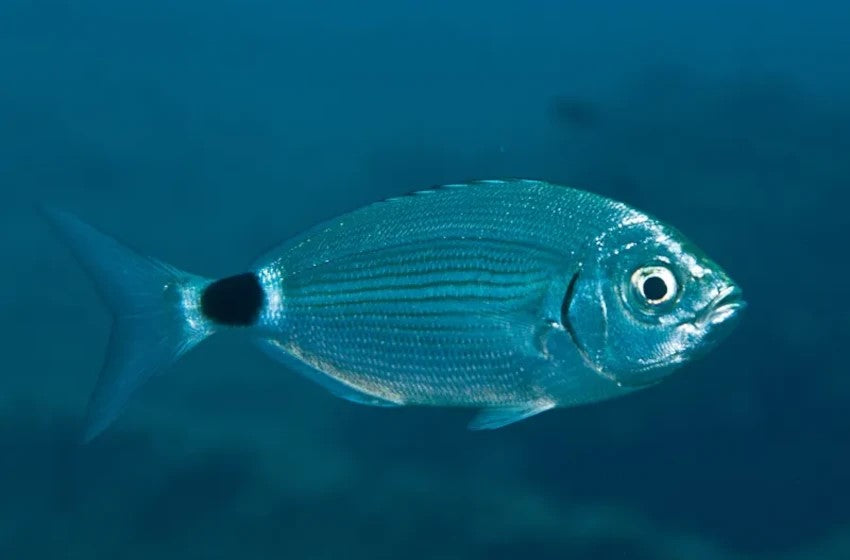
Sport fishing enthusiasts across the Mediterranean and eastern Atlantic have increasingly turned their attention to one of the region's most challenging and rewarding catches: the saddled bream (Oblada melanura). This member of the Sparidae family has gained recognition not only for its spirited resistance when hooked but also for its exceptional culinary value.
"The saddled bream is a fish that really gets the adrenaline pumping," explained an experienced angler. "When you hook one, you know you're in for a good time."
"The saddled bream is a fish that really gets the adrenaline pumping,"


The species' growing popularity among sport fishermen stems from its unique combination of accessibility and fighting spirit. Distinguished by its oval-shaped, shimmering silver body and characteristic black spot near the tail, the saddled bream typically measures between 15 to 25 centimeters, though specimens can reach impressive lengths of 30 to 35 centimeters and weigh over 500 grams.
What makes these fish particularly appealing to anglers is their coastal habitat preference. Saddled bream thrive in structured environments, typically found at depths ranging from surface level to 50 meters, with most successful catches occurring within the first 15 meters. These fish gravitate toward areas rich in natural formations, including harbor piers, submerged reefs, and mixed bottom environments that provide both shelter and abundant food sources.
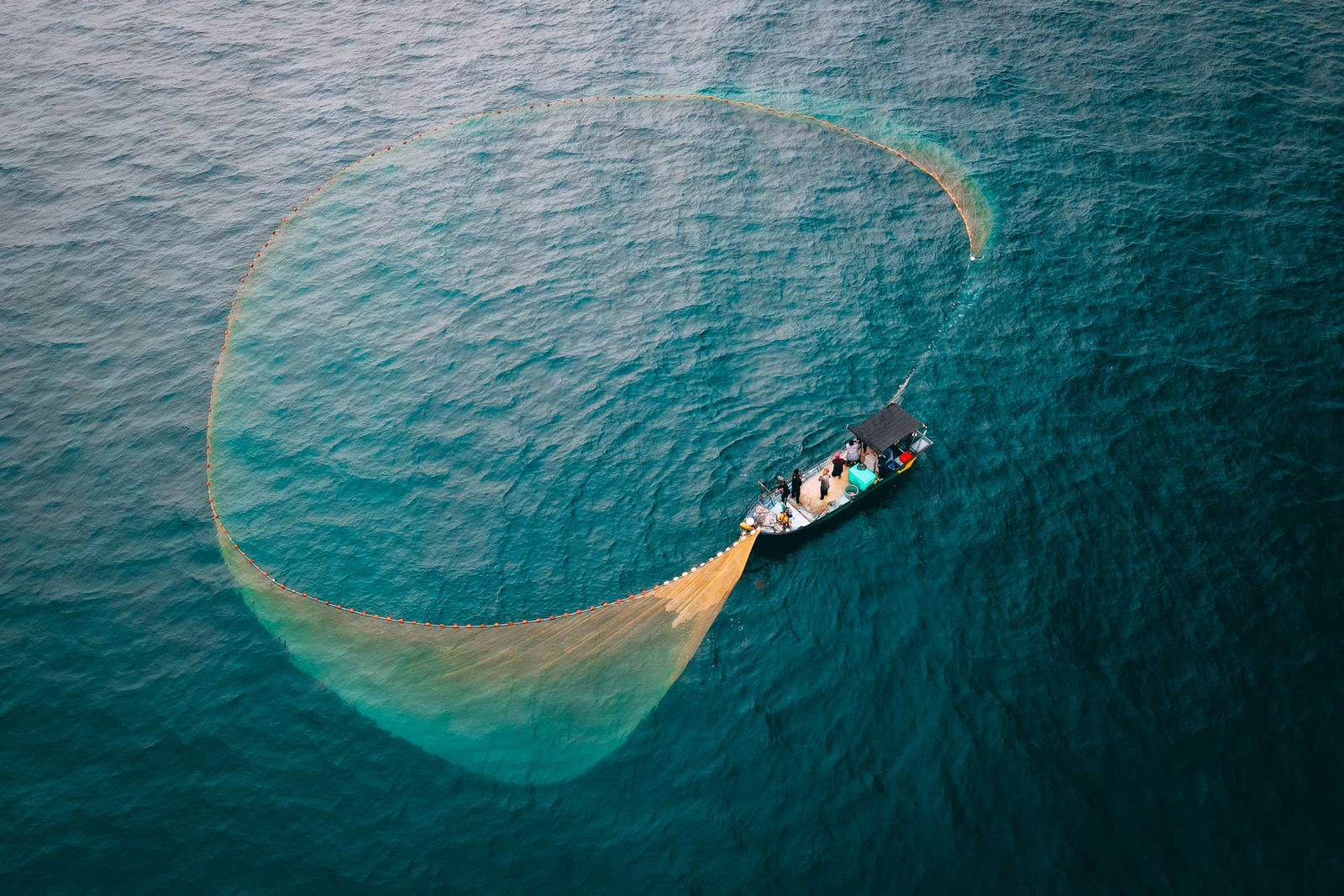
"Fishing in areas with plenty of structures is key to success because these fish love to hide there," emphasized another experienced fisherman, highlighting the importance of location selection in successful saddled bream fishing.
"Fishing in areas with plenty of structures is key to success because these fish love to hide there,"

The species' opportunistic feeding behavior contributes significantly to their widespread distribution and fishing success rates. As omnivores, saddled bream maintain a diverse diet consisting of marine worms, mollusks, crustaceans, and algae. During their juvenile stages, they primarily consume plankton and small fish, gradually expanding their dietary range as they mature. This adaptability allows them to flourish in various marine environments, making them more predictable targets for anglers who understand their feeding patterns.
One of the most fascinating aspects of saddled bream behavior is their schooling tendency, particularly in coastal waters during twilight hours. This characteristic provides strategic opportunities for fishermen, as locating one fish often means discovering an entire group.
Timing plays a crucial role in saddled bream fishing success. While these fish can be targeted year-round, peak fishing seasons occur from April to June and July to September. Spring months are particularly productive for trophy hunters seeking larger specimens.
"Spring is fantastic for finding larger specimens as they move closer to shore to feed," explained a veteran guide familiar with local fishing trends. "But during summer, their peak activity is especially evident during twilight or nighttime."
"Spring is fantastic for finding larger specimens as they move closer to shore to feed,"
Even winter fishing remains viable, though productivity decreases. Anglers willing to brave cooler conditions often find success during the warmer portions of winter days.
Location selection proves critical for consistent success. Submerged reefs and rocky bottoms offer excellent opportunities for both shore-based and artificial reef fishing. Posidonia meadows, characterized by mixed bottoms rich in marine life, provide ideal habitat conditions that attract saddled bream seeking food sources.
River mouths and canal entrances present unique opportunities, as slightly turbid waters in these areas draw fish searching for small crustaceans and fry. Additionally, coastal areas with light currents maintain high oxygen levels and abundant food supplies, creating attractive fishing zones.
"If you spot surface activity or schools moving along the shore, that's a clear sign the saddled bream are nearby," advised an expert fisherman, emphasizing the importance of reading water conditions and fish behavior.
"If you spot surface activity or schools moving along the shore, that's a clear sign the saddled bream are nearby,"
Successful saddled bream fishing requires a refined approach to equipment selection. Due to their cautious nature and spirited fighting ability, lighter setups prove most effective. The emphasis should focus on responsiveness and sensitivity rather than brute strength.
"With these fish, you don't need heavy equipment," noted another experienced angler. "What matters more is that you can detect even the lightest bites, so sensitivity is crucial."
"With these fish, you don't need heavy equipment,"
While specific equipment may vary depending on chosen techniques—whether bolognese, English, rock fishing, or light spinning—the underlying principles remain consistent across all methods. The key lies in maintaining sensitivity to detect subtle bites while possessing sufficient backbone to handle the fish's determined resistance.
The saddled bream's combination of challenging behavior, widespread availability, and excellent eating quality has solidified its position as a premier target species for Mediterranean sport fishing. As more anglers discover the excitement these fish provide, understanding their behavior patterns, habitat preferences, and optimal fishing techniques becomes increasingly valuable for consistent success on the water.