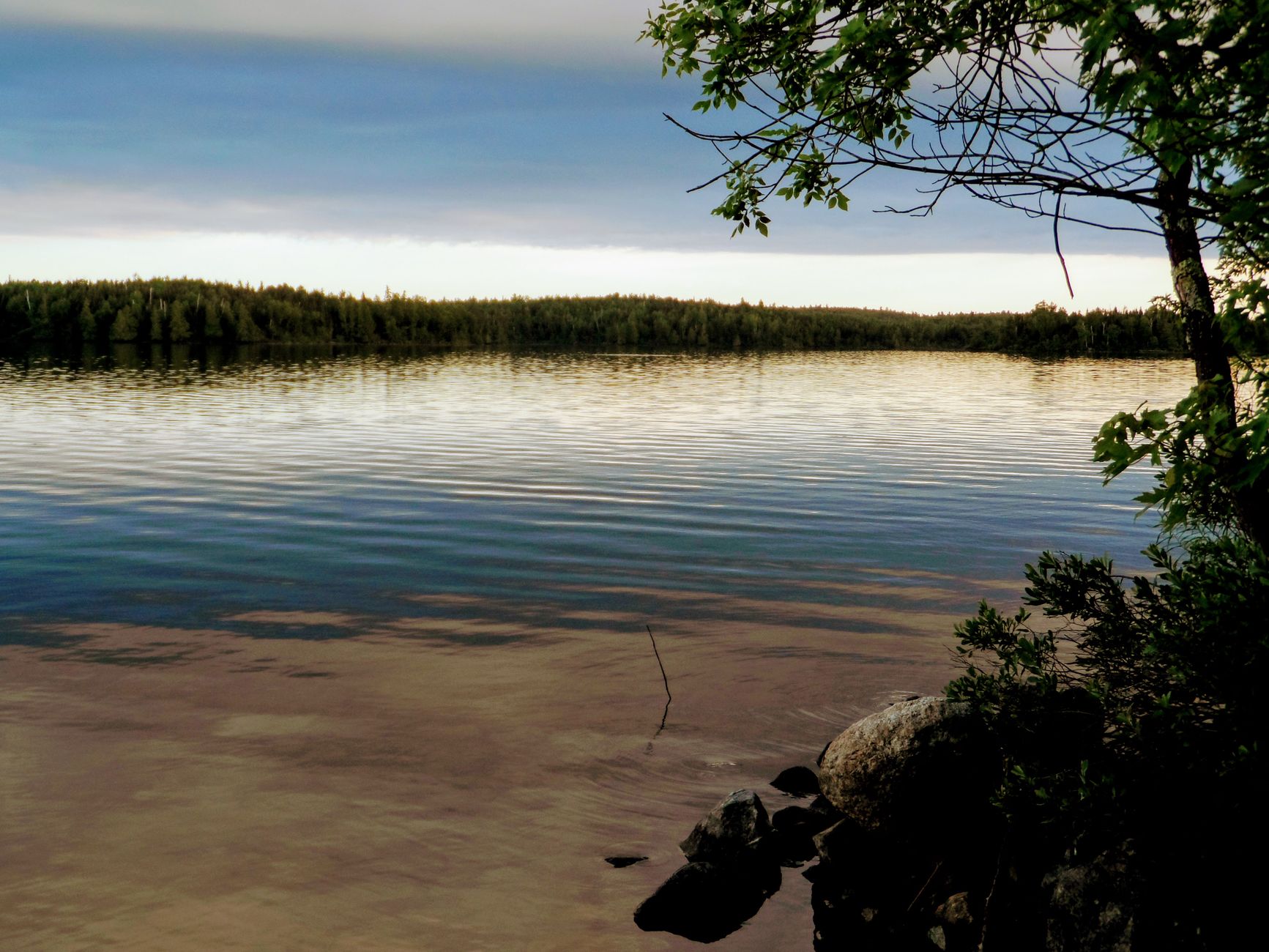
For one season at least, 19 northern Wisconsin lakes will stay open to every licensed angler — not because the dispute over them is settled, but because a federal judge decided the case could not wait.
U.S. District Court Judge William Conley granted a preliminary injunction this week barring the Lac du Flambeau Band of Lake Superior Chippewa from enforcing fishing restrictions on nonmembers across those reservation lakes. It builds on a temporary restraining order he signed last month, right before the general season opened.
The conflict traces back to late April, when Wisconsin sued the Band's leaders in federal court. The tribe had passed resolutions limiting nonmember access to walleye and muskellunge, pointing to what it called "critically low" populations of both species.

Conley found the evidence for closing the lakes thin. He wrote that "aside from the potential, though largely unsubstantiated, harm to walleye and muskellunge populations from non-member anglers, the Band has identified no risk of harm to itself or the public that would flow from a temporary injunction."
He weighed that against the disruption a closure would cause, concluding that "the potential harm to the state and public arising from the conflicts, public confusion and legal uncertainty, let alone the harm to anglers from closing lakes to walleye and muskellunge fishing during the 2026 season, are significant."
The legal core is a sovereignty standoff. Wisconsin maintains it has "exclusive sovereignty over" the state's navigable waters, tribal land included, and cites earlier rulings to back it. The Band asserts an "inherent sovereign authority" to set rules for nonmembers on its reservation. Gov. Tony Evers added a public-safety dimension, invoking what he called generations of tension and violence — an unmistakable nod to the spearfishing clashes of the late 1980s and early 1990s that became known as Wisconsin's walleye wars.
The tribe frames the restrictions as conservation. Officials say they applied to only a fraction of the reservation's 200-plus lakes, and that figures from the Band's own hatchery and natural resources staff flagged troubling walleye and muskie counts.
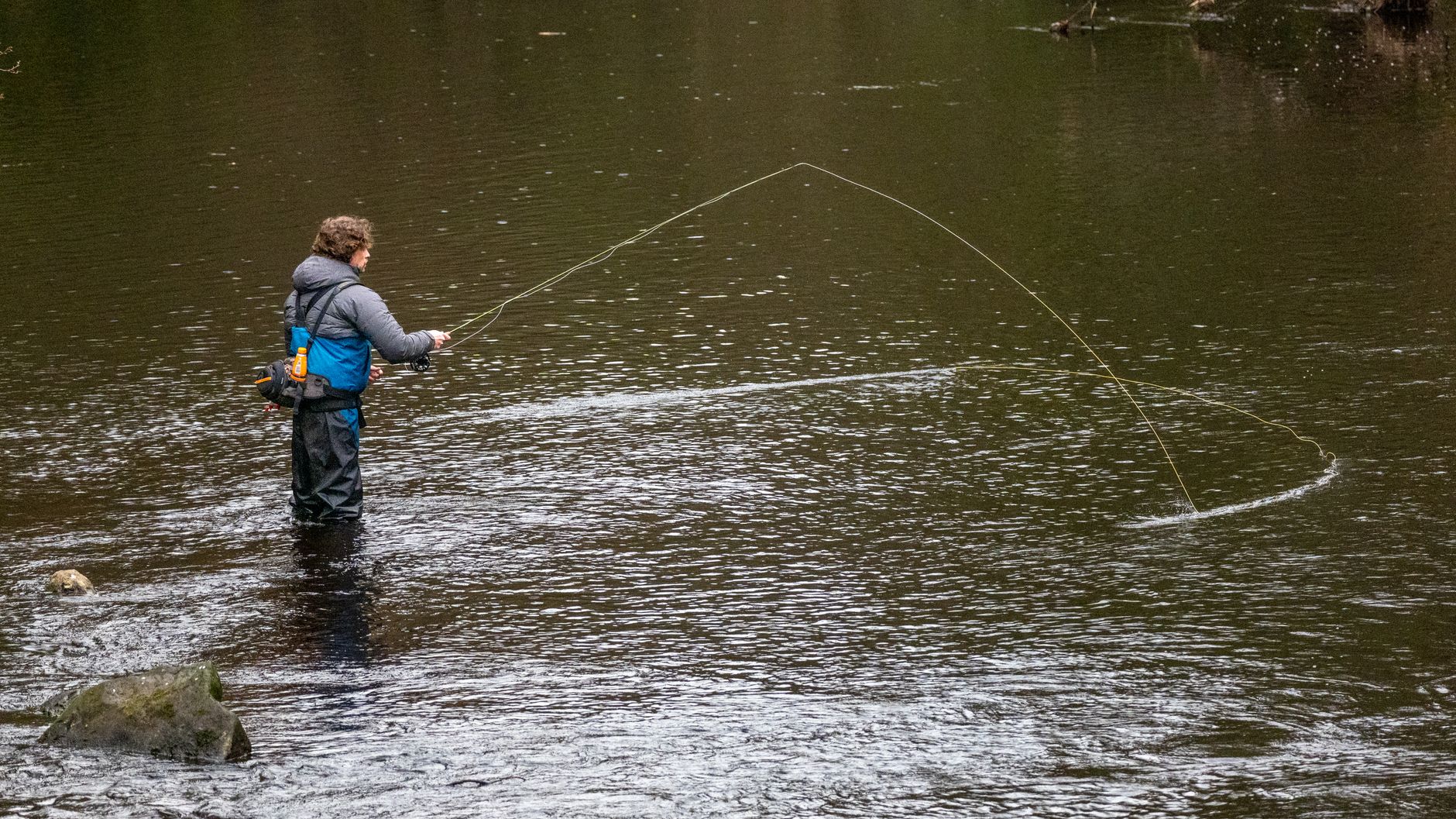
"This decision is disappointing, but it does not diminish the very real concerns we have about the future of our fisheries," Tribal President John Johnson Sr. said in a statement.
"The Tribe took action because we believe protecting these resources is critical for the generations who will come after us," he added. "We remain committed to defending our right and responsibility to steward the lands and waters."
Because the injunction governs only the 2026 season, the central question — who holds authority over fishing on reservation waters — remains open. Both sides say the law is on their side, which all but guarantees the fight outlasts this summer and keeps one of Wisconsin's oldest fishing controversies very much alive.