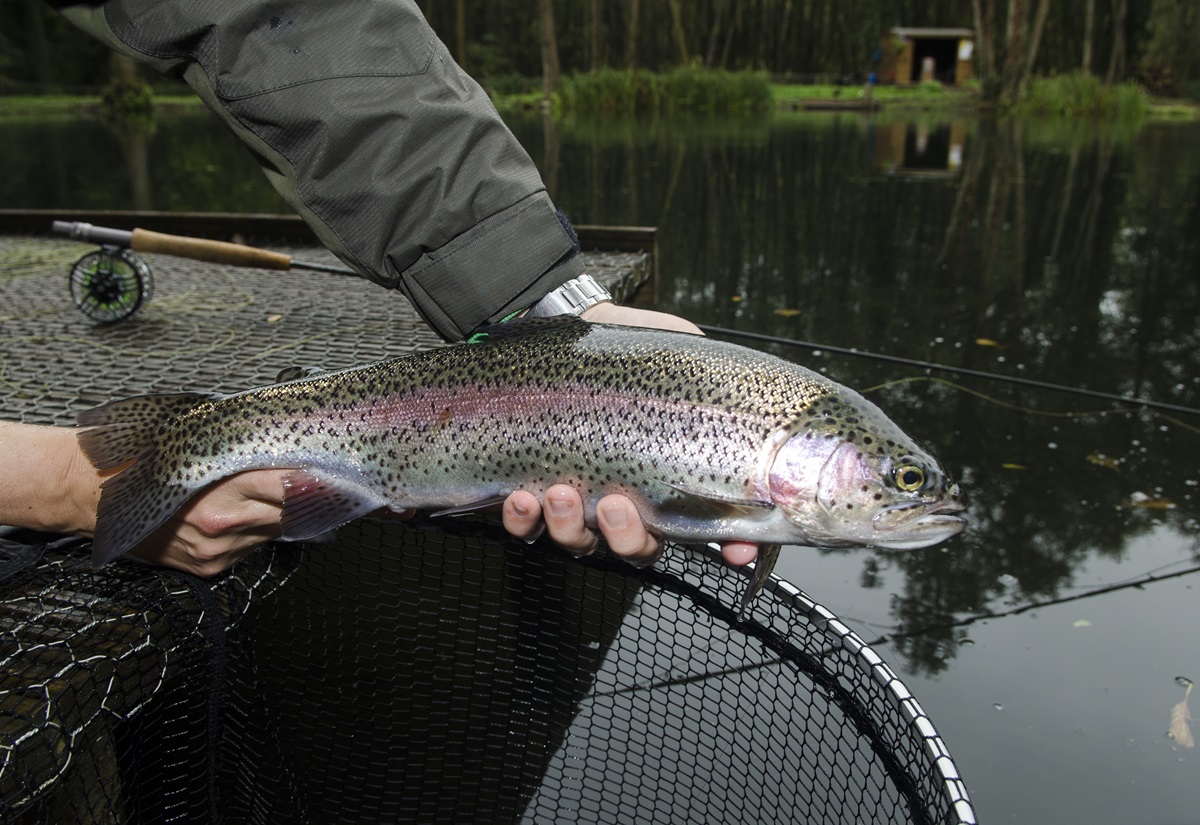
While many anglers hang up their rods when winter arrives, experienced fishermen in Wales know better. As temperatures drop and river seasons close, the nation's stillwaters are hitting their stride, offering some of the year's best trout fishing opportunities.
"Think fishing in winter is too cold and difficult? Think again!" said a seasoned angler, highlighting a growing movement among Welsh fishing enthusiasts who are discovering the advantages of cold-weather angling.
The timing couldn't be more perfect. While Welsh rivers enforce a closed season on trout during the colder months, stillwaters remain open, providing an ideal testing ground for both newcomers and experienced anglers looking to refine their skills. This regulatory difference has created a unique window of opportunity that many are only now beginning to exploit.

**The Science Behind Winter Success**
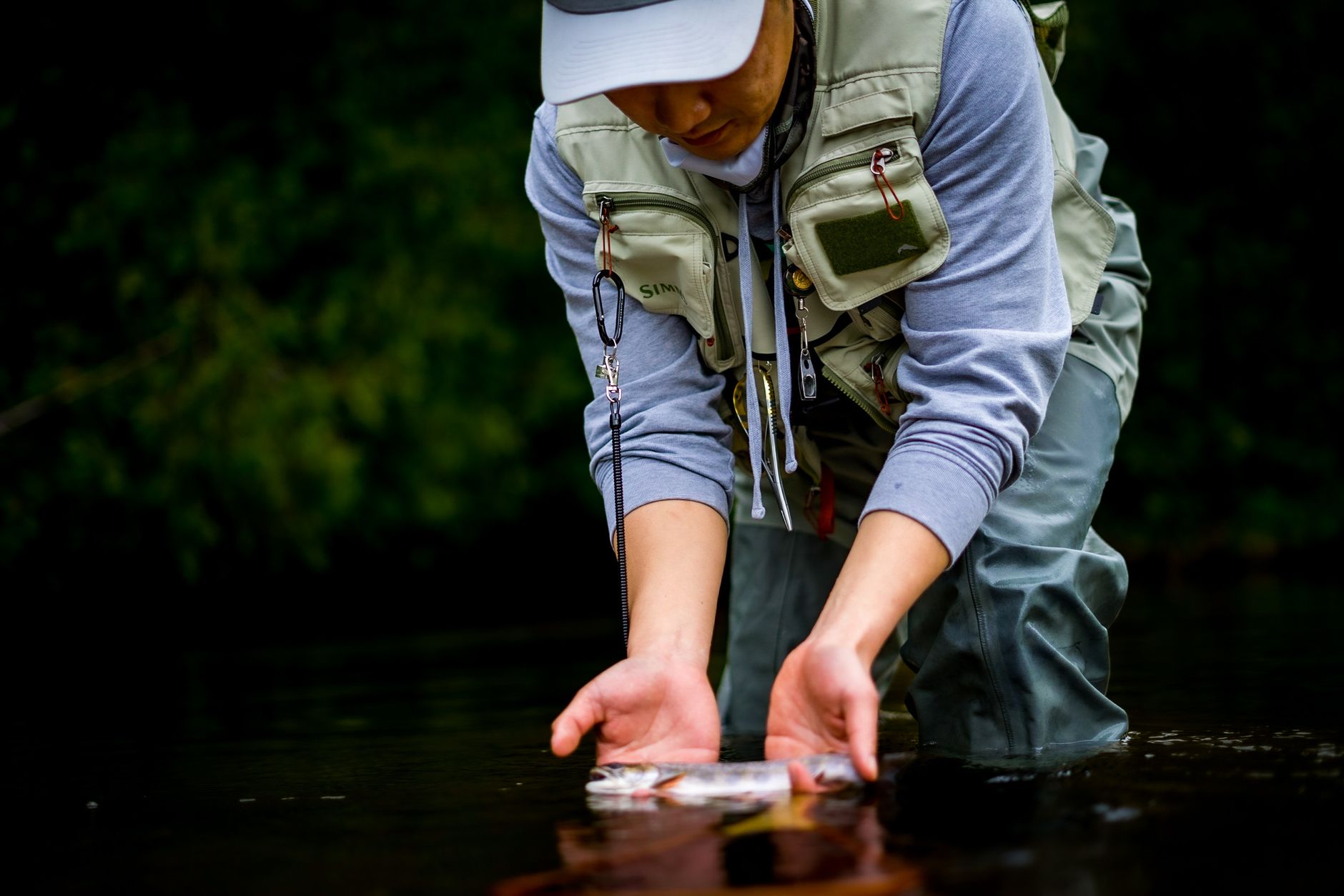
Contrary to popular belief, winter conditions actually favor trout fishing in many ways. Rainbow trout, commonly stocked in lakes and reservoirs throughout Wales, remain surprisingly active even as temperatures plummet. The key lies in understanding optimal water temperatures.
"In fact, [cooler](/gear/cooler) temperatures really suit trout, with water temperatures from 4°C to 13°C being the optimum," explained a fishing expert. This temperature range aligns perfectly with typical UK winter conditions, creating an environment where trout thrive rather than merely survive.
"In fact, cooler temperatures really suit trout, with water temperatures from 4°C to 13°C being the optimum,"
Race Results
The benefits extend beyond simple temperature preferences. Winter's cooler waters contain higher oxygen levels, resulting in more energetic fish that put up stronger fights when hooked. Anglers report that trout caught during winter months are often in excellent condition, displaying the kind of vigorous behavior that makes for memorable fishing experiences.
**Essential Equipment for Winter Success**
Getting started in winter fly fishing doesn't require breaking the bank, but having the right equipment can make the difference between success and frustration. The foundation of any setup begins with proper rod selection.
A 9ft 6" rod paired with a number 7 fly line represents the gold standard for bank fishing, offering versatility across various techniques while remaining manageable in windy conditions. "Rods of 9 ft or 10 ft, with 5, 6 or 7 weight lines are also suitable for small stillwater fishing," advised a local fishing expert, emphasizing that flexibility in equipment choice allows anglers to adapt to different fishing scenarios.
"Rods of 9 ft or 10 ft, with 5, 6 or 7 weight lines are also suitable for small stillwater fishing,"
Reel selection follows a straightforward principle: functionality over flash. "When buying a fly reel, look for a 'large arbour' and a basic drag," noted a knowledgeable guide. A 7/8 size reel pairs well with 7 or 8 weight rods and lines, providing the necessary balance and line capacity for stillwater fishing.
"When buying a fly reel, look for a 'large arbour' and a basic drag,"
For beginners, floating lines offer the most straightforward entry point. "For 90% of the time, a floater will be all you need when fishing," shared a seasoned fly fisher, though more advanced anglers might eventually graduate to intermediate lines for expanded subsurface fishing capabilities.
"For 90% of the time, a floater will be all you need when fishing,"
Visibility becomes crucial during winter months, making polarized sunglasses an essential investment rather than a luxury item. Quality options from brands like Fortis and Vision help anglers spot fish beneath the surface while providing protection from errant hooks.
Winter comfort cannot be overlooked. Layered clothing, waterproof boots, and well-insulated jackets keep anglers focused on fishing rather than fighting the elements. Safety equipment, including landing nets and forceps, ensures proper fish handling. "A folding net with a long handle is an advantage, such as the Wychwood Rover or Snowbee Ranger," mentioned a gear selection expert.
"A folding net with a long handle is an advantage, such as the Wychwood Rover or Snowbee Ranger,"
**Adapting Fly Selection for Winter Conditions**
Winter fishing demands a strategic shift in fly selection, as trout behavior changes significantly during colder months. Fish tend to feed deeper and at slower paces, requiring anglers to adjust both their fly choices and presentation techniques accordingly.
"Keep your selection simple to start with and fish them with confidence!" emphasized a veteran fly angler, advocating for a focused approach over overwhelming variety.
Race Results
Two patterns stand out as particularly effective during winter conditions. The Cats Whisker has earned its reputation through consistent results, with its bright, fluorescent green body proving especially effective in murky winter waters. The Black & Green Blob, when fitted with a bead, can be fished slowly on floating lines, making it perfectly suited to winter's more deliberate fishing pace.
**A Growing Opportunity**
As awareness grows about winter stillwater fishing opportunities, Welsh anglers are discovering that the coldest months can yield some of the year's most rewarding experiences. The combination of active fish, open waters, and less crowded venues creates conditions that challenge the conventional wisdom about seasonal fishing limitations.
For those willing to brave winter's chill, Wales' stillwaters offer a unique chance to extend the fishing season while developing skills that will serve them well when warmer weather returns.