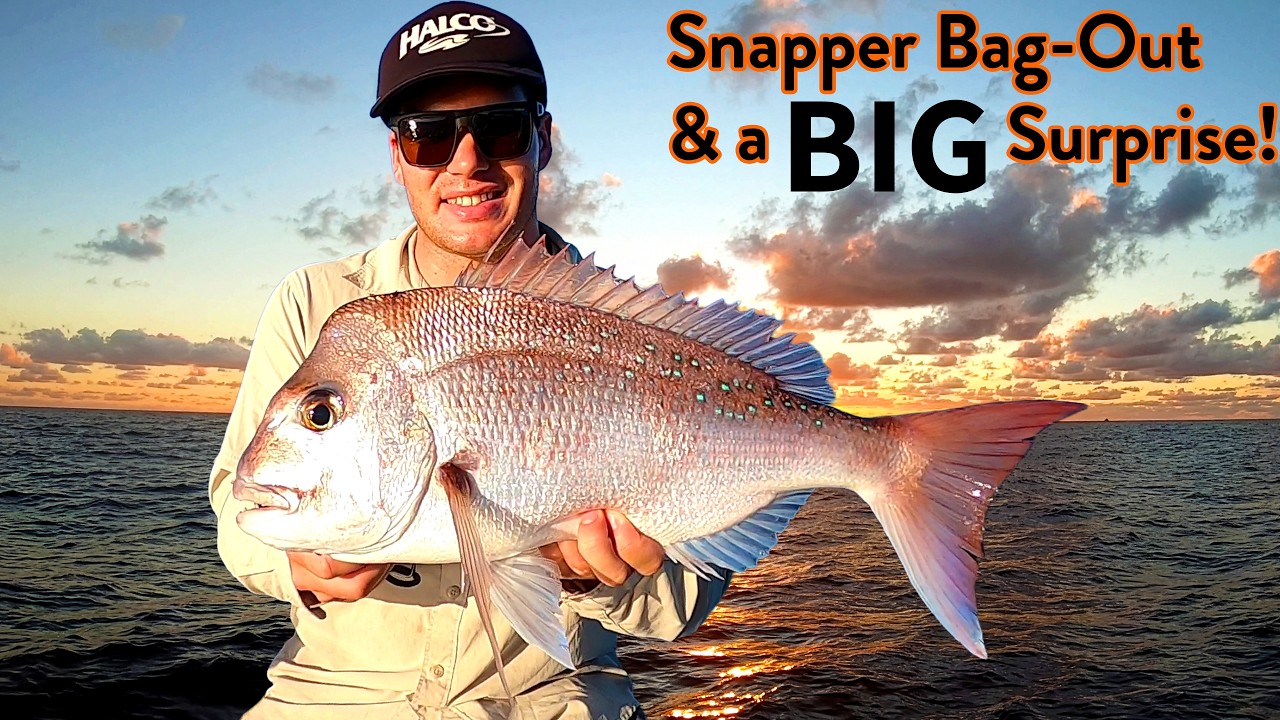
Will Kitching's latest Sunshine Coast snapper video is, in some ways, his most useful — not because the fishing was easy, but because it forced him to demonstrate every part of the system that gets fish from the rocks 40 to 60 metres below his hull into a vacuum bag in his freezer.
The Queensland snapper specialist fished a hard day with his father, finishing with eight reds, a venus tuskfish — and a hooked black marlin he was never going to land.
The day opened well. The first drop, on a small bit of structure showing only a light scatter on the sounder, produced a quality fish for Kitching senior. "It goes to show," Kitching told the camera, "if you get a couple of things right, if you just float your bait down slowly and use the right technique, you're always in with the chance with the snapper."
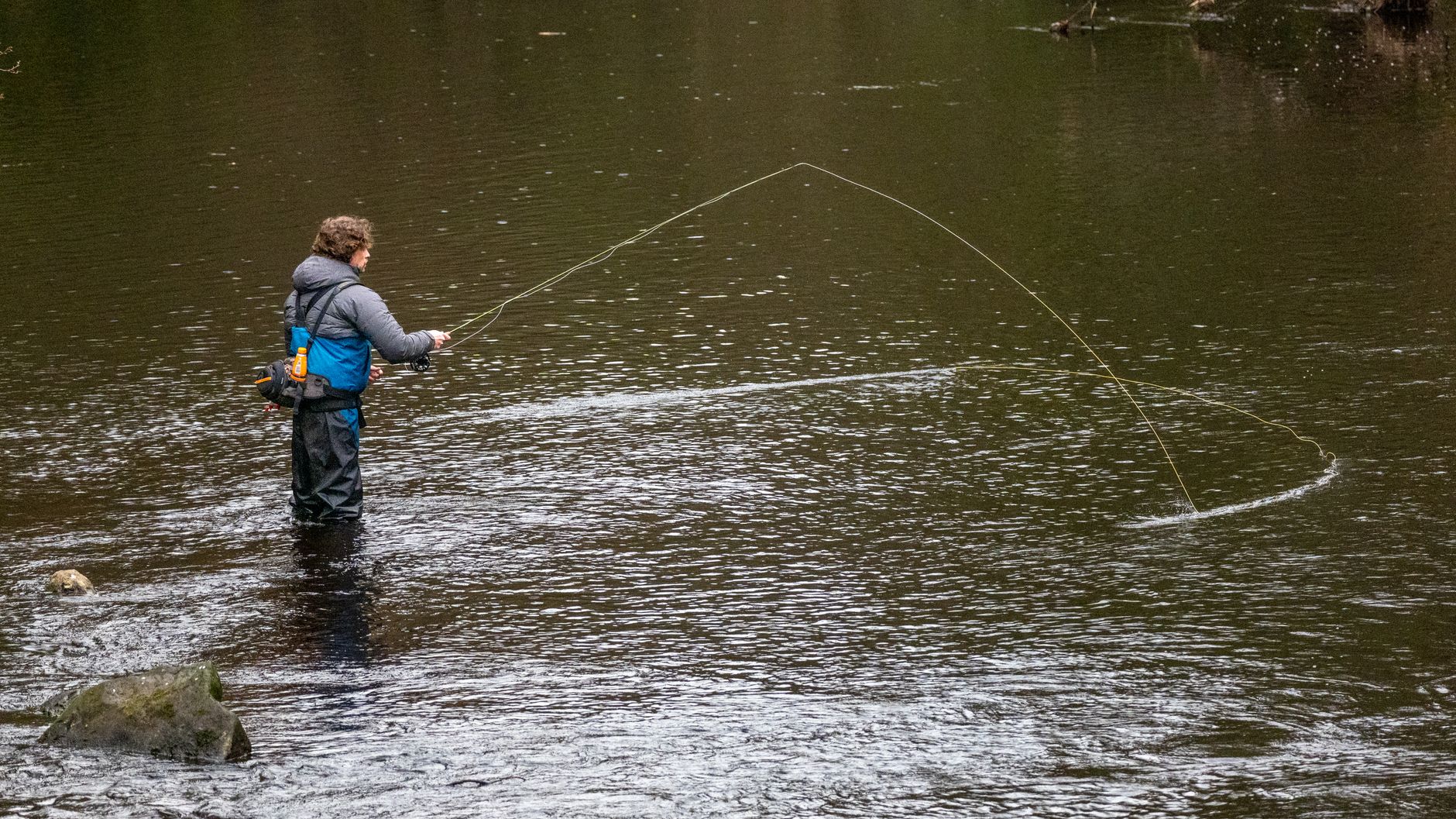
A tuskfish followed on a different drift, and the first solid red was Kitching's own — a hit on the drop that ran hard for its size. "That smashed it, too. Just on the drop, floating it down. Still going. It's a good fish, whatever it is."
The pattern, he explained, was a useful one for the south-east coast in a slow year — work the small isolated shows on a lump rather than wait for textbook balled-up bait. "Sometimes there can just be a good fish holding on it. It's slower fishing because you're not just dropping straight into a big show and hooking up. You sort of have to work the area a little bit."
Mid-morning the bite died. The Kitchings shifted to 60 metres for cleaner shows. Floating a pilchard down on 20-pound leader, Kitching was hit on the drop and almost immediately had a small black marlin up on top.
"It is a marlin. It is a marlin. This isn't going to end well on 20 lb," he said as the fish lit up the surface. "20 lb leader, that was never going to go well. What is that about? If you're fishing for them, you wouldn't hook one."
The leader popped within seconds. Kitching told viewers it was the second marlin he had hooked that way on snapper gear in recent years.
The other notable rig of the day was Kitching's Snapper Snapper Rig — three 5/0 hooks ganged together with 220-pound assist cord and a Lumo squid skirt — which produced a quality fish on its first drop. "That's the first drop with that Snapper Snapper Rig," he said. "This one absolutely smashed it."
Most of the second half of the video is given over to care-of-catch — the part of the day Kitching argues makes more difference to eating quality than any rod, reel or rig.
Every fish boated was brain-spiked, bled at the gills and dropped into a salt-water ice slurry. "As soon as we brain-spike them, their heart beats for a few more minutes, then we'll get our bait knife out, an old filleting knife here, and we will bleed them straight away," Kitching said. "We do that with all fish now, from whiting up to our big mackerel and snapper. So we think that makes a really big difference."
At home, the rules tighten. Fillets are rinsed only with salt water carried home from offshore, dried with paper towel, then sealed in vacuum bags. Kitching's strongest single rule is to keep tap water away from any fillet he plans to eat. "Never touch your fillets with fresh water," he said. "Don't rinse them under the tap. That's going to take away the flavour, and it's also going to change the texture."