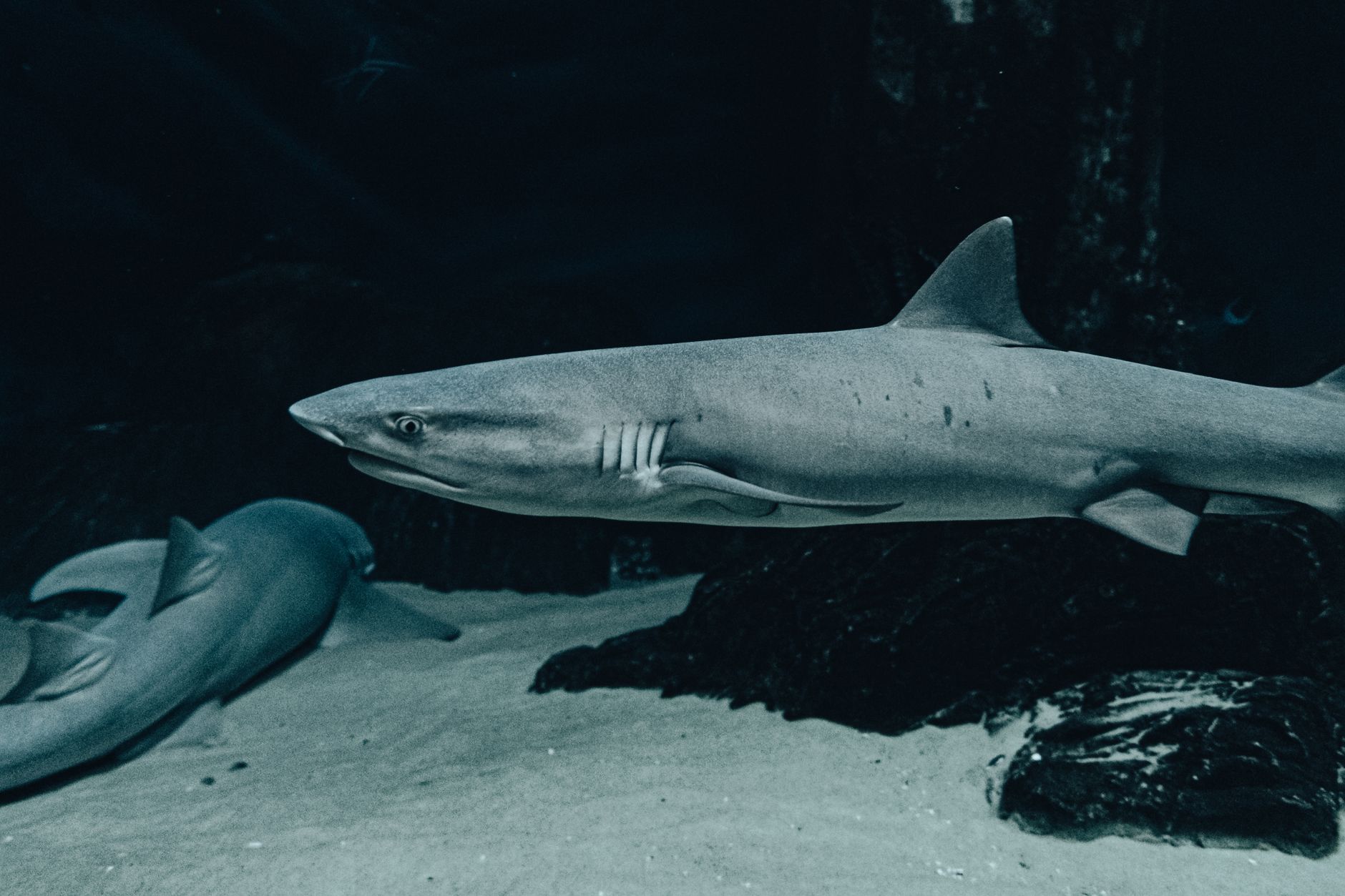
It is one of saltwater fishing's most maddening losses: a fish hooked, fought and nearly boated, then snatched away in a swirl by a shark. The behavior has a name — shark depredation — and a new study summarized by NOAA Fisheries on June 11 finally puts a century of it under the microscope.
Published in the ICES Journal of Marine Science, the research drew on old literature, angler surveys and social-media posts to chart the problem across the Atlantic. The team counted at least 51 recreational fish stocks being raided by 22 species of shark, ranging across coastal and open-water habitats from Maine to Texas and the U.S. Caribbean.
Lead author Dr. Marcus Drymon, an associate extension professor at Mississippi State University and a marine fisheries specialist with Mississippi-Alabama Sea Grant, framed it as a collision of interests. "At its essence, shark depredation is the result of an overlap between humans and wildlife," he said. "In this case, the overlap is between recreational anglers and sharks competing for a shared resource. Navigating recent increases in shark depredation, real or perceived, requires a broader understanding of how this overlap has evolved over time."
Why it is so hard to solve comes down to spread. The sharks doing the stealing live in different habitats and fall under different management bodies, so no single regulation reaches them all. The study noted another hidden toll: fish taken by sharks become uncounted dead discards that can skew the assessments managers use to set limits. "The issue remains complex, but this collaborative study hopefully provides a framework for future research and management action," said coauthor Dr. Tobey Curtis of NOAA's Atlantic Highly Migratory Species Management Division.
Congress is paying attention. The SHARKED Act would stand up a task force of fishing and environmental experts to tackle depredation; it has passed the House and drawn a favorable Senate committee hearing. "Encounters between sharks and anglers are on the rise, affecting catch for food, safety of anglers, and balance of fisheries," said Sen. Ashley Moody, a backer of the bill. "I'm proud to support the SHARKED Act to find ways we can mitigate these challenges and keep Florida's fishing and tourism economy strong."
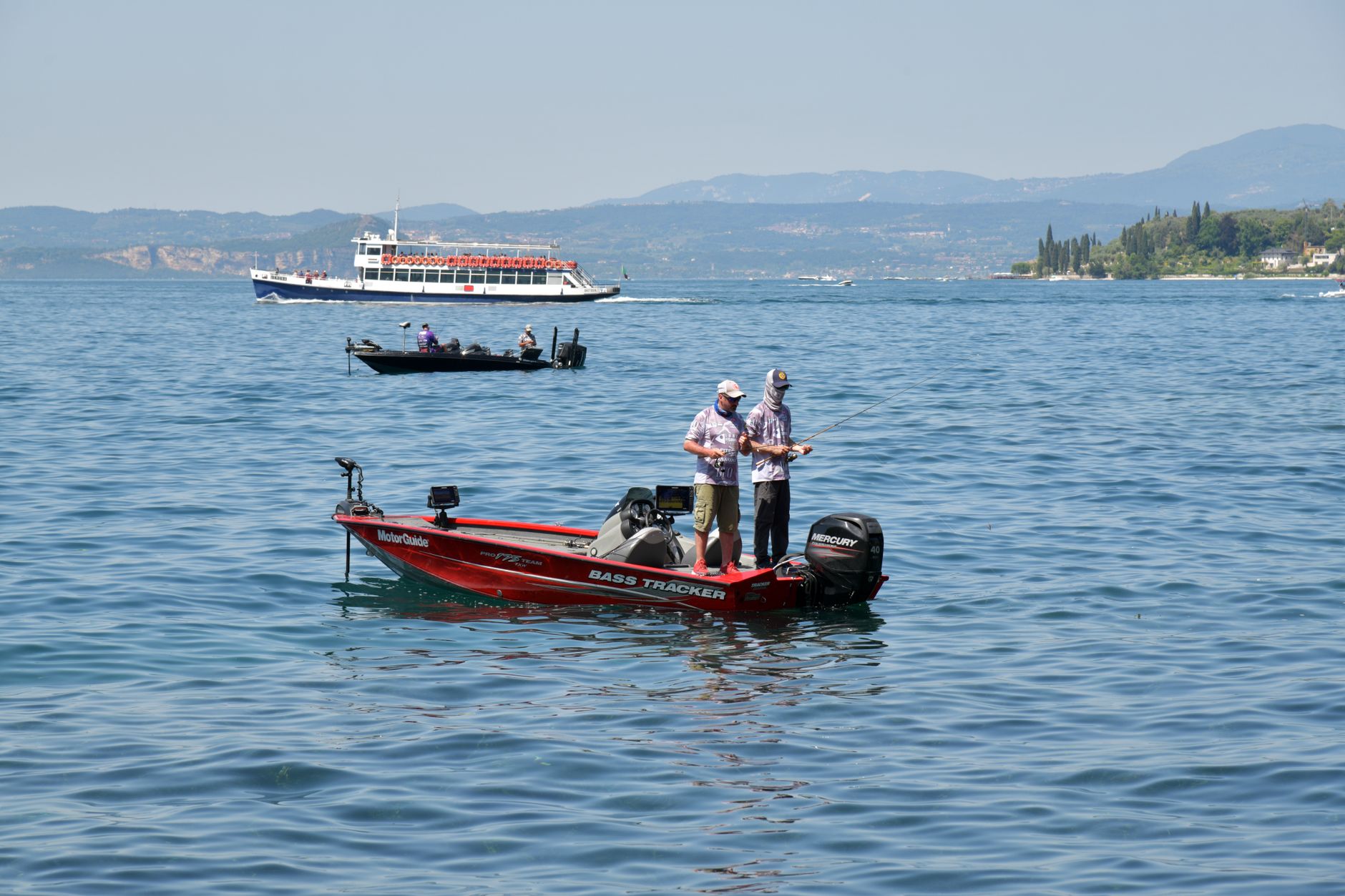
On the water, the experience is blunter. In Hawaii, where all shark fishing is prohibited, small-boat fishers describe a problem that has snowballed. Kona troller Fernandez, fishing the coast since the late 1980s, said depredation barely existed when he started and has spiked recently. He credits the predators' intelligence. "Sharks," he said, "are very smart." Some fishers now cut their engines the second a fish hits, suspecting the animals connect propeller noise with an easy meal.
The science of stopping them is advancing. At the University of Hawaiʻi Mānoa's Hawaiʻi Institute of Marine Biology, researchers are teaching fishers to swab mangled catches for DNA to pin down the species and tracking how often sharks return to prime grounds. "We are building the first truly comprehensive effort to understand and mitigate shark depredation in these fisheries," said institute research professor Carl Meyer.
The gadgets are a work in progress. Eric Stroud of the repellent company SharkDefense said electric deterrents, at roughly $150 to $300 apiece, and a chemical version that smells like decaying sharks at about $1 per hook can all help. But practicality lags. Fernandez tried electromagnetic units off Kona and was unimpressed. "They're too long and they're the wrong shape," he said. "The hooks tend to wrap around these devices, and now the hooks are all tangled up. So it's a work in progress."
There is no consensus on the cure. Pelagic fisheries scientist Mark Fitchett said plenty of small-boat fishers are frustrated and think sharks enjoy too much protection. The study itself stays neutral, urging more deterrent testing and smarter shark harvests over any one fix. Until something better arrives, the proven move is simple: pull up and relocate the moment the sharks find you.