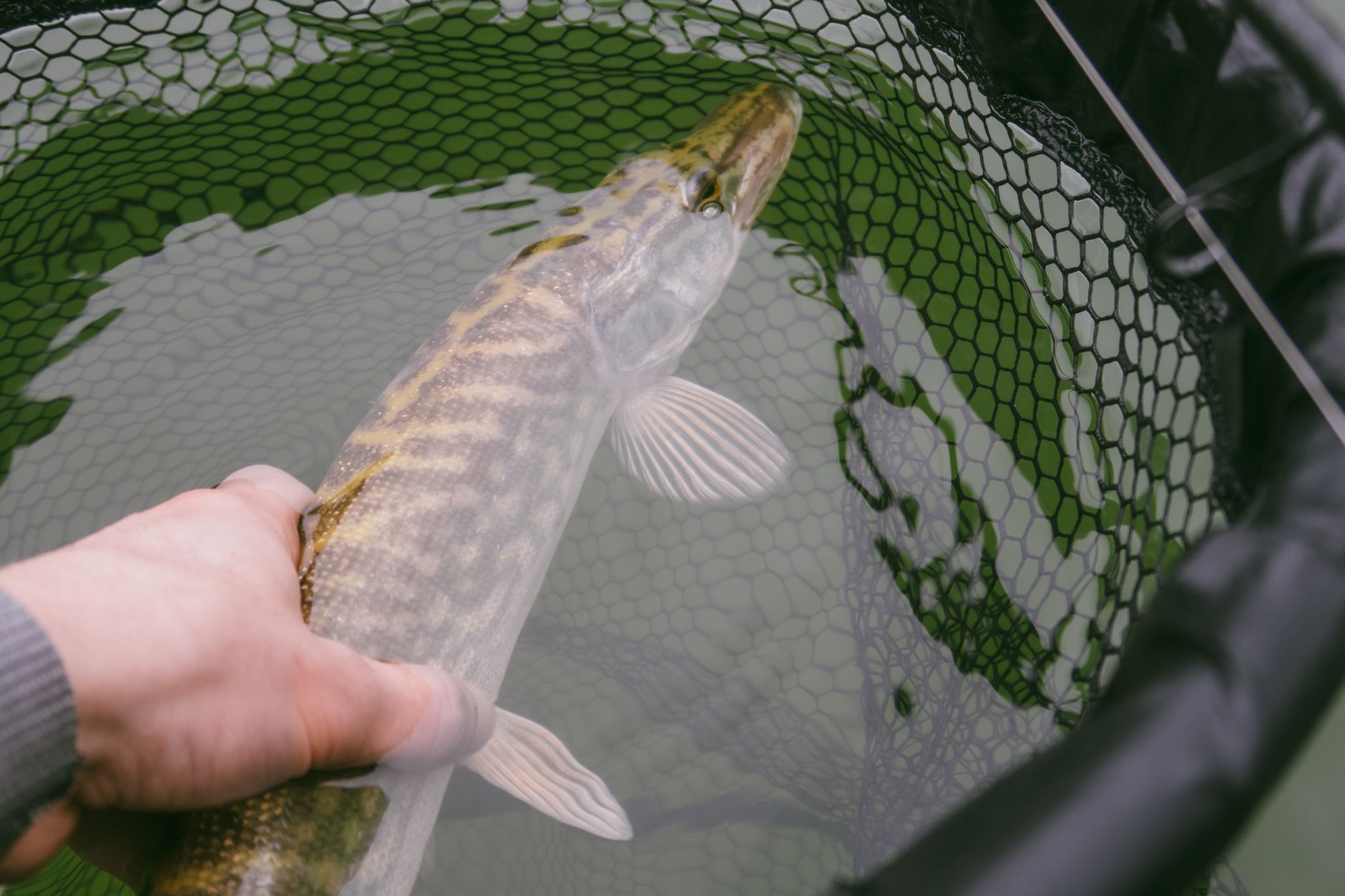
Minnesota's muskie anglers now have a roadmap for the next 15 years, and its central message is one of focus over expansion: protect and improve the lakes that already produce trophy fish rather than spreading the work thin across new ones.
The Department of Natural Resources finalized its long-range muskie plan — the first since 2008, and one that reaches to 2040 — after three years of collaboration with anglers' clubs, businesses, researchers and local and tribal governments. Few fish inspire that kind of devotion.
"It's the pursuit," said Jim Doyle, president of the Twin Cities chapter of Muskies Inc. "It's fishing for hours and hours and hours and not knowing when the next cast is going to produce something that is a near life-changing event."
Rather than stocking fresh waters, as the old plan favored, the new approach pours effort into the state's established muskie fisheries.
"We're not ruling out new waters, but we want to focus on the muskie waters we currently have and improving fishing in those lakes, rather than trying to expand into more lakes," said Brad Parsons, the DNR's fisheries section manager.
The plan names three "core lakes" — Minnetonka, Vermilion and Mille Lacs — as priorities. They are the state's biggest stocked muskie waters and its busiest, ringed by access points, resorts and the services anglers want. Leech Lake sits outside the plan, managed instead by the Leech Lake Band of Ojibwe.
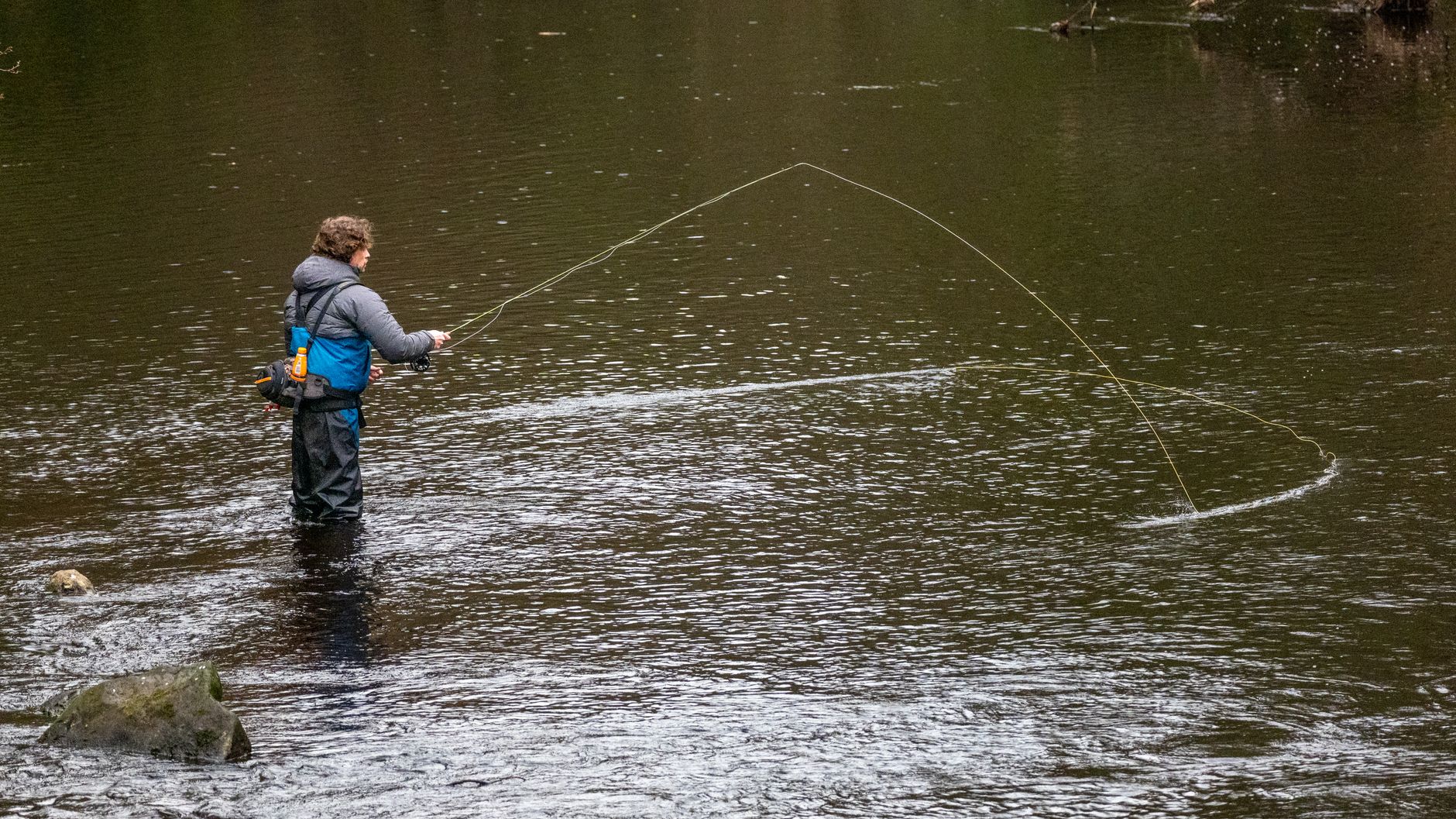
"They are getting the first priority in terms of stocking, in terms of management, in terms of study," Olsen said. "And that is primarily a function of pressure and usage, right? Those are the three most heavily fished lakes."
To get more out of every fish stocked, the DNR will lean toward yearlings over fingerlings, since the larger juveniles survive at higher rates. It will also continue its metro-area tiger muskie program — a fast-growing muskie-pike hybrid aimed at giving city anglers a shot at a giant close to home.
"It's really to provide that big fish trophy opportunity close to home here in the metro," Parsons said. "Tiger muskies tend to grow a little faster; they don't tend to live quite as long."
One goal is more about perception than biology: dispelling the long-held belief that muskie wipe out walleye and panfish. The trouble is that muskie are notoriously hard to study — solitary, far-ranging and difficult to catch, the so-called fish of 10,000 casts — so reliable population counts are scarce. The DNR is asking anglers to help by logging and reporting their catches, enlisting the people who chase the fish as part of the research.
"They're not only a tremendous fishing resource, but they're good for the lake ecology as well," Parsons said.