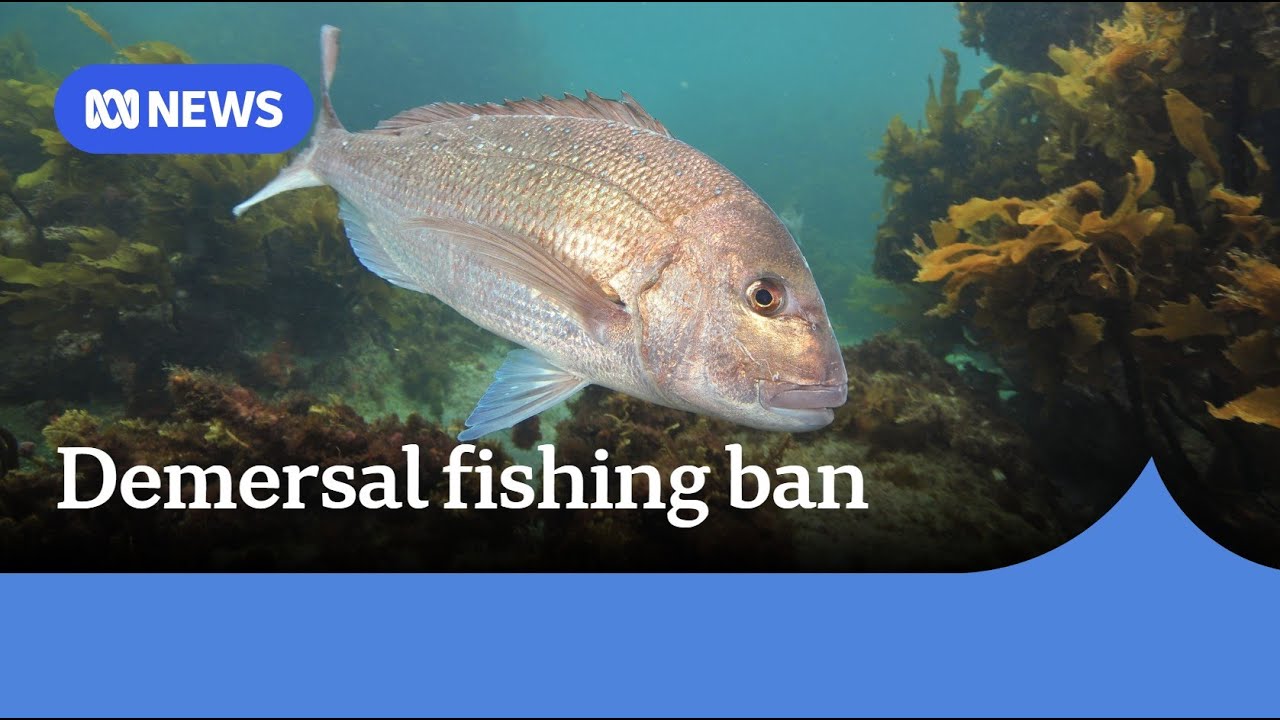
The Western Australian government has drawn a line in the sand with sweeping new demersal fishing reforms that have divided opinion across the state's fishing community.
At the heart of the controversy are strict new bans targeting at-risk species including jewfish and pink snapper. From January, commercial demersal fishing has been completely banned along WA's West Coast fishery, while recreational boat-based fishing faces a 21-month moratorium. Commercial catch reductions of 50 percent have been imposed across the Pilbara, Kimberley, and South Coast fisheries, alongside a permanent trawling ban in the Pilbara.
The state has put $20 million on the table for a licensed buyback of 41 commercial boats and $3 million for tackle shop rebates, but for many in the industry, the compensation does little to ease the blow.
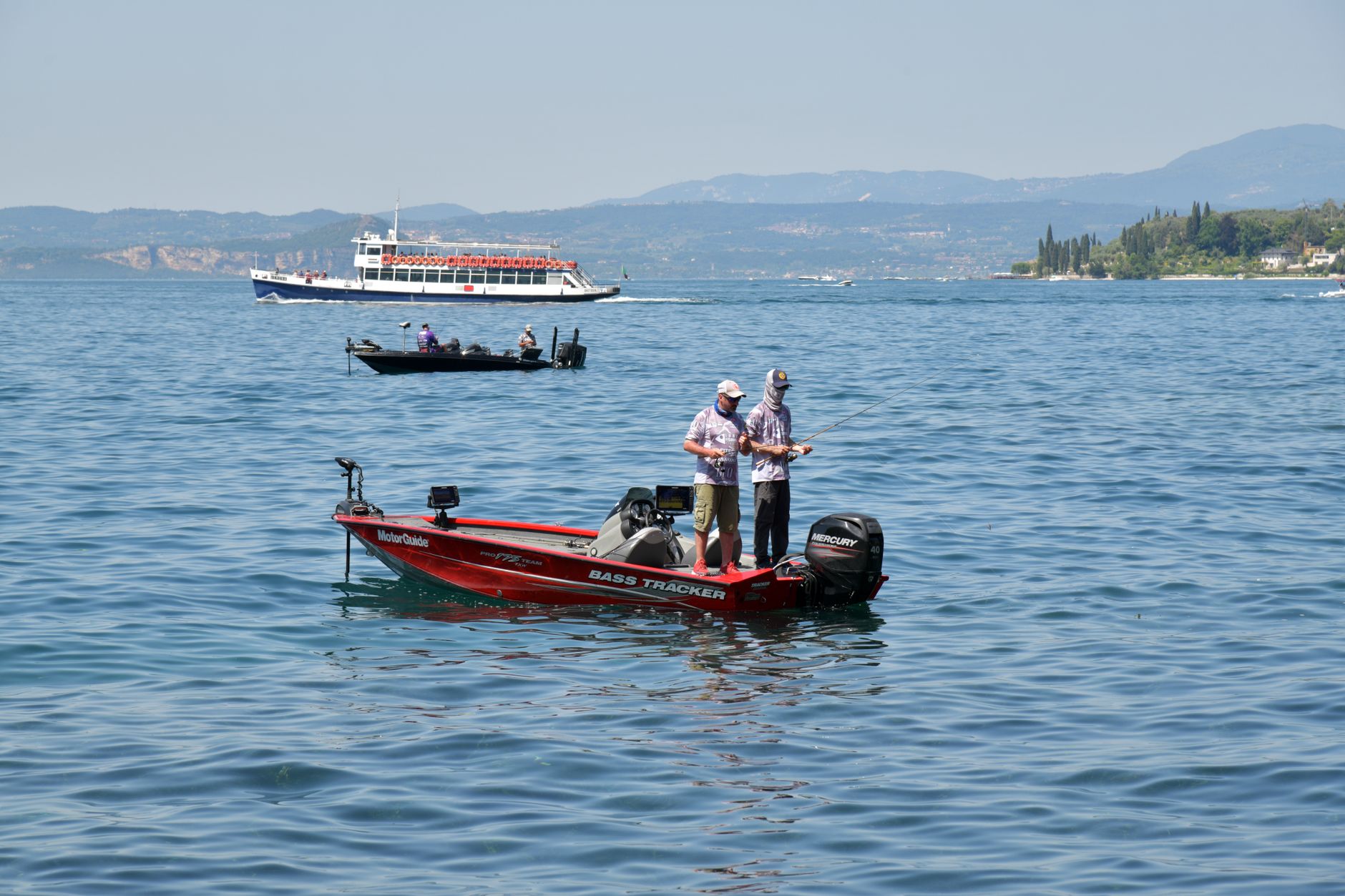
WA Fisheries Minister Jackie Jarvis has shouldered the criticism head-on. "These are difficult decisions for government. They're tough decisions. We acknowledge that and it will impact everyone," she said.
The scientific case driving the reforms is sobering. According to Jarvis, jewfish populations have collapsed to dangerously low levels in key areas. "We have fish species like the jewfish which are down to 7 percent biomass in some areas," she revealed. "Jewfish were on the brink of extinction, of disappearing in our lifetimes, but these measures allow them to come back."
The original scientific recommendation was even more severe — a full 10-year closure of the West Coast bio region to all fishing. Jarvis opted instead for the permanent commercial closure to trigger the legislative buyout mechanism that would compensate affected businesses.
But the fishing community has pushed back hard. Commercial operators say they were blindsided by the scale of the changes, with some losing their livelihoods almost overnight.
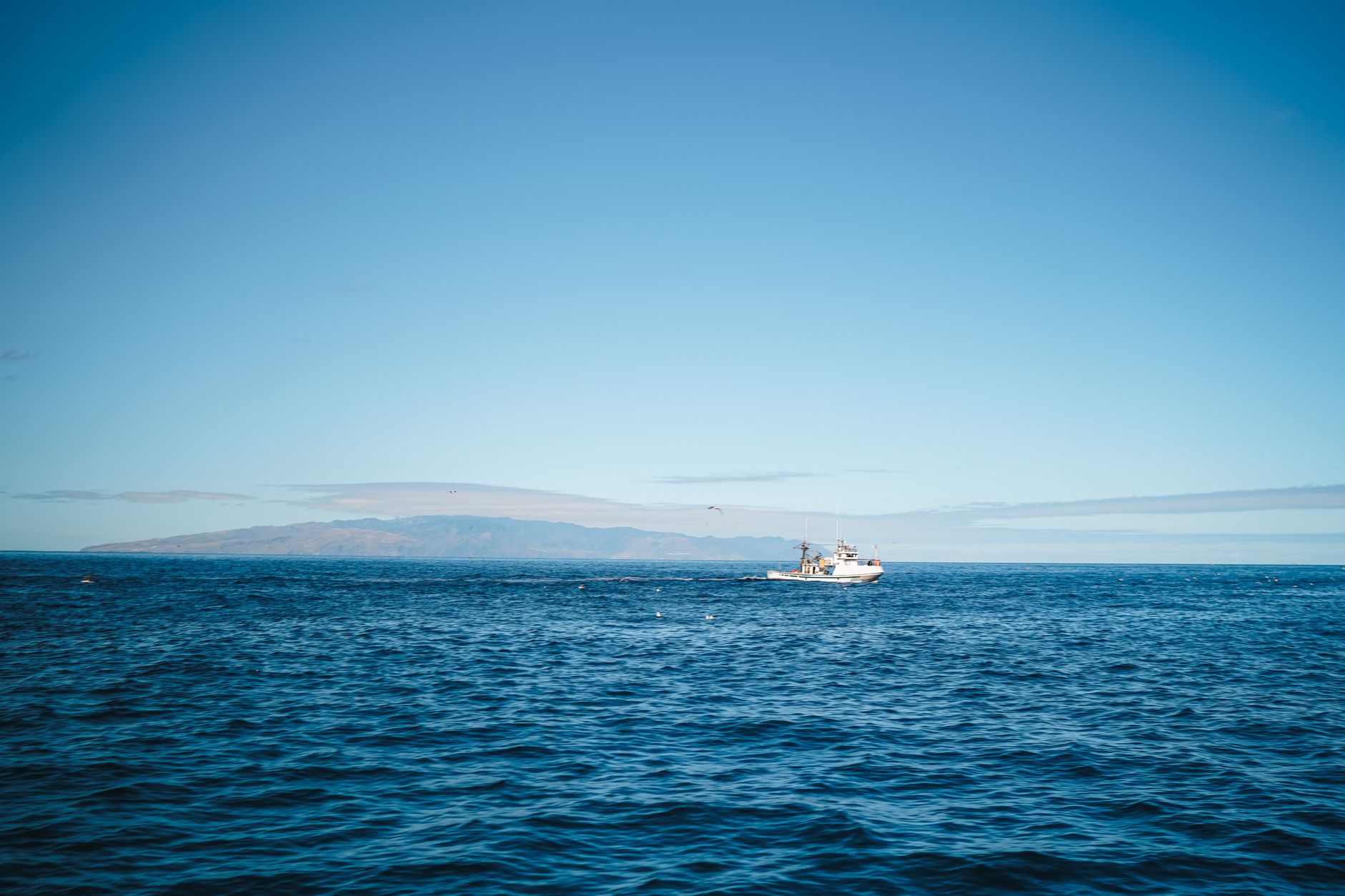
"People have lost their livelihoods in a matter of three weeks. People haven't really had the time to respond," one industry figure said.
Recreational anglers are grappling with mandatory catch reporting — a policy Jarvis had previously ruled out but reversed course on. "I'm happy to wear that, to say that I've changed my position on that. And it's for these at-risk species," the minister acknowledged.
Recfishwest has engaged cautiously with the new reporting requirements while maintaining scepticism. "Realtime reporting is something that Recfishwest has got a strong view that we don't believe it works. However, we're absolutely satisfied to be proven incorrect," a representative noted.
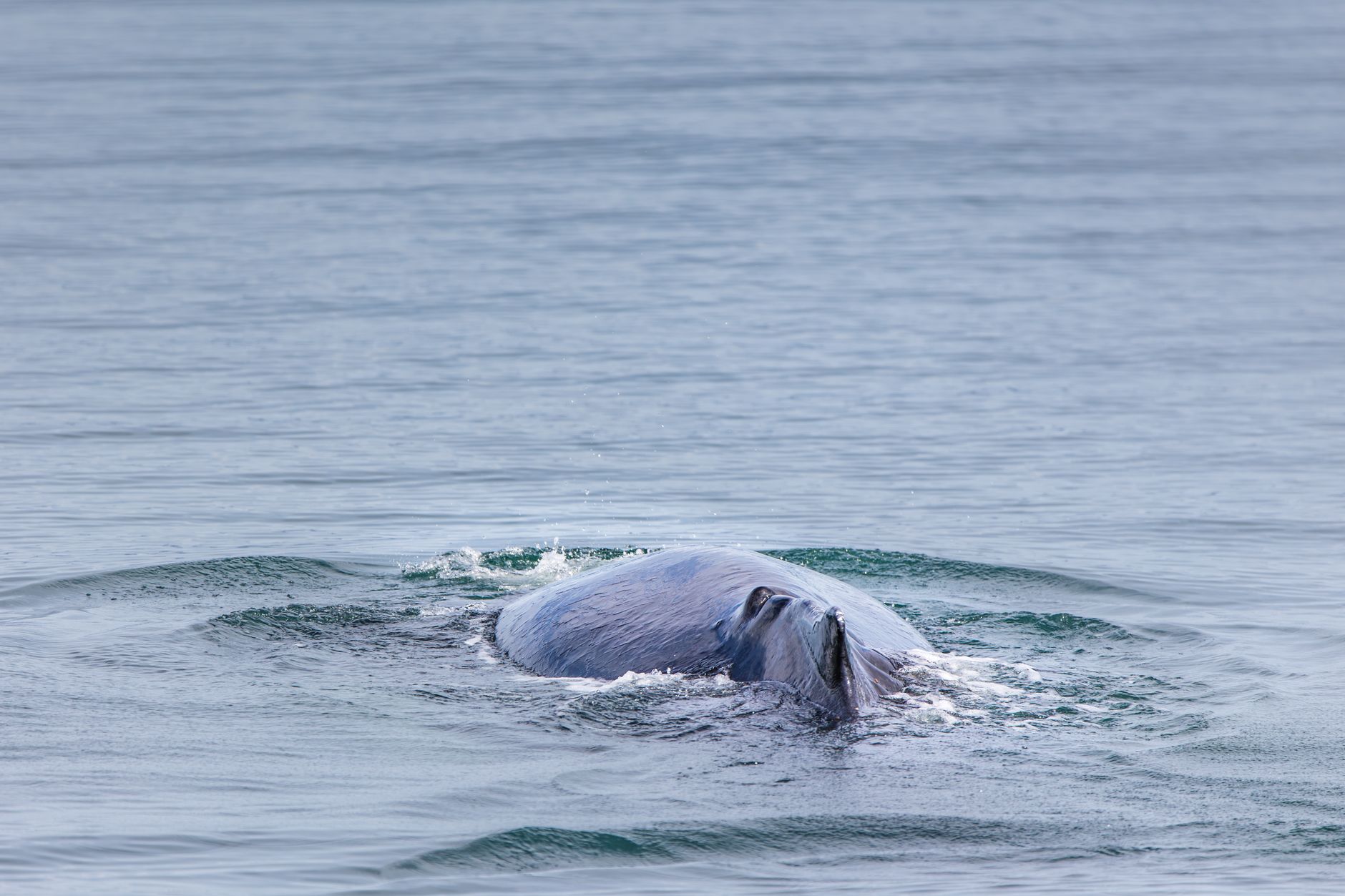
Conservation groups, however, have welcomed the reforms as a necessary step to protect WA's marine ecosystems for future generations.
For her part, Jarvis has left the door ajar for a future reversal should fish stocks recover, but stressed that the decision ultimately rests with the fisheries minister of the day — a responsibility she does not take lightly.
"It's about preserving fish for the future and making sure that we don't send things like jewfish into extinction," she said.