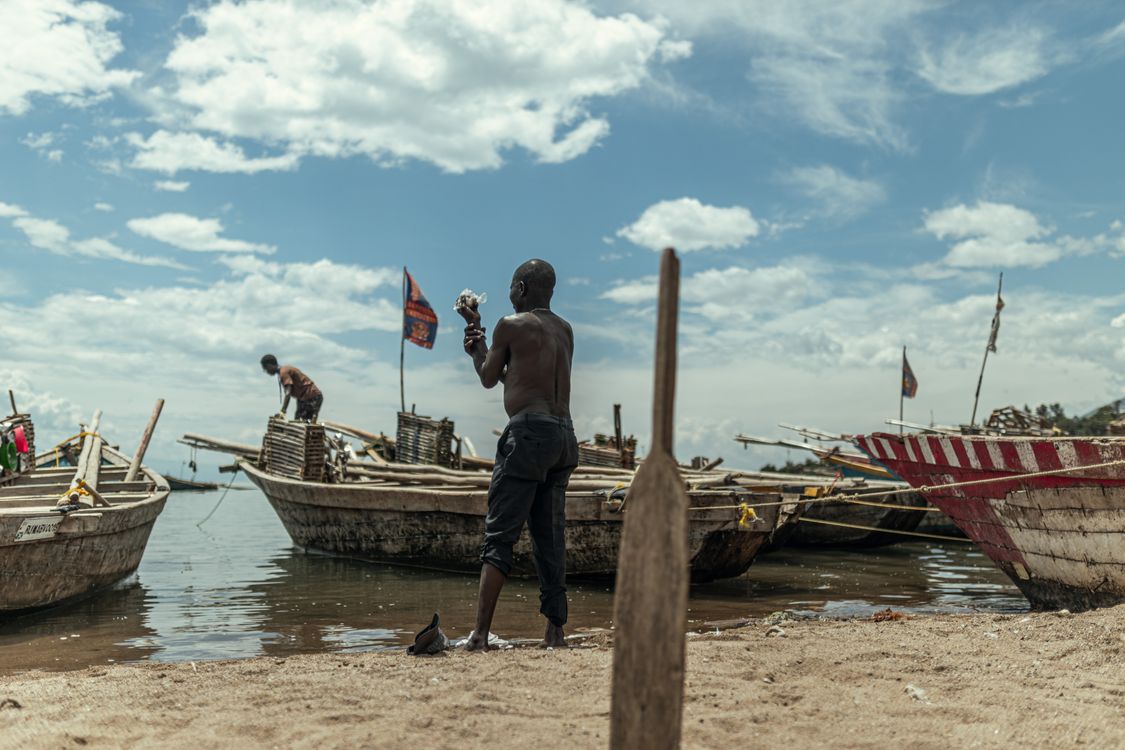
Ask a fisherman in Rufisque or Joal-Fadiouth what has changed, and the answer is the same: there are fewer fish, and the biggest boats taking them fly other countries' flags.
A BBC feature on 5 July brought fresh attention to a problem that has simmered along Senegal's coast for years. Small crews working from wooden pirogues say industrial trawlers — many Chinese-owned or Chinese-flagged — are scooping up the fish that coastal towns rely on to eat and to earn.
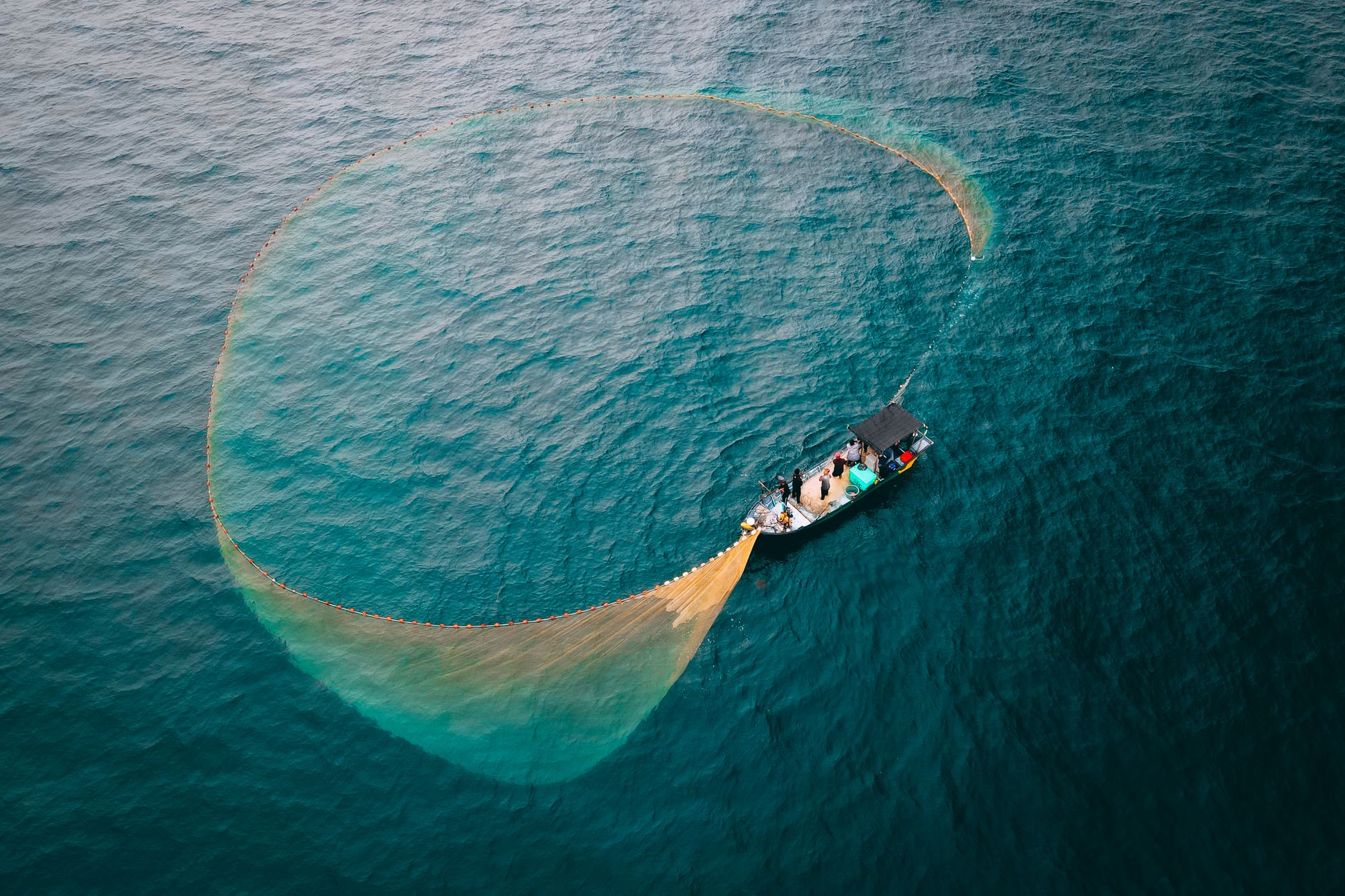
The scale is hard to overstate. Fishing underpins more than 1.3 million jobs in Senegal, but illegal fishing is thought to drain about $300 million from the country each year. Region-wide, West Africa loses something like $10 billion annually, and parts of Senegal's fish population have dropped by roughly 57%.
The crews feel it in the hours they spend at sea. "What a [local] pirogue used to catch in two months, now that same pirogue can fish for six or seven months to catch the same amount, which is a problem," said Mamadou Diouf Sene, president of a local fishing wharf revenue commission.
The shortage lands hardest on shore. Aissatou Wade, who processes fish on a small scale in Joal-Fadiouth, said empty nets mean empty pockets. "Without fish, we have no money to send our children to school, buy food or get help if we fall ill," she said.
And much of what is caught leaves the region entirely. Reporting by The Guardian and the Pulitzer Center has traced how foreign trawlers supply a fast-growing fishmeal-and-oil trade that turns edible fish into feed for farmed salmon and shrimp sold in Europe and Asia.
Stopping it is another matter. Cheikh Salla Ndiaye of Senegal's fisheries-protection directorate has described monitoring the huge offshore area as "very difficult." Yet advocates believe the balance is tilting. Sophie Cooke, a fishing-vessel analyst at Greenpeace, said the open ocean was once treated "like the Wild West because there was no way to see what was happening out there" — a blind spot that satellite tracking is finally shrinking.
Governments are responding, if slowly. Senegal's new administration has moved fisheries up its agenda, and in June it joined Comoros in promising tougher action on industrial fishing in coastal waters, echoing the recent Mombasa Declaration against illegal fishing. For the pirogue crews, the test is whether help arrives before the fish are gone.