
Western Australia's recreational fishers are working to a tighter rulebook from June 1, with the state government cutting daily bag limits and lifting minimum sizes on a string of prized demersal species in a bid to rebuild fish stocks.
The headline change is a reduction in the mixed demersal bag limit, which falls from five fish to four per person, per day, for waters outside the West Coast Bioregion. The allowance for West Australian dhufish — arguably the state's most iconic table fish — has been pulled back to a single fish.
Other species face new per-species ceilings. Pink snapper, red emperor and the tuskfish group, which includes baldchin groper and bluebone, are now limited to two fish each. Coral trout, coronation trout and western blue groper remain at one fish apiece. On the South Coast, nannygai keep a separate allowance of four fish per person per day, sitting outside the mixed demersal limit.
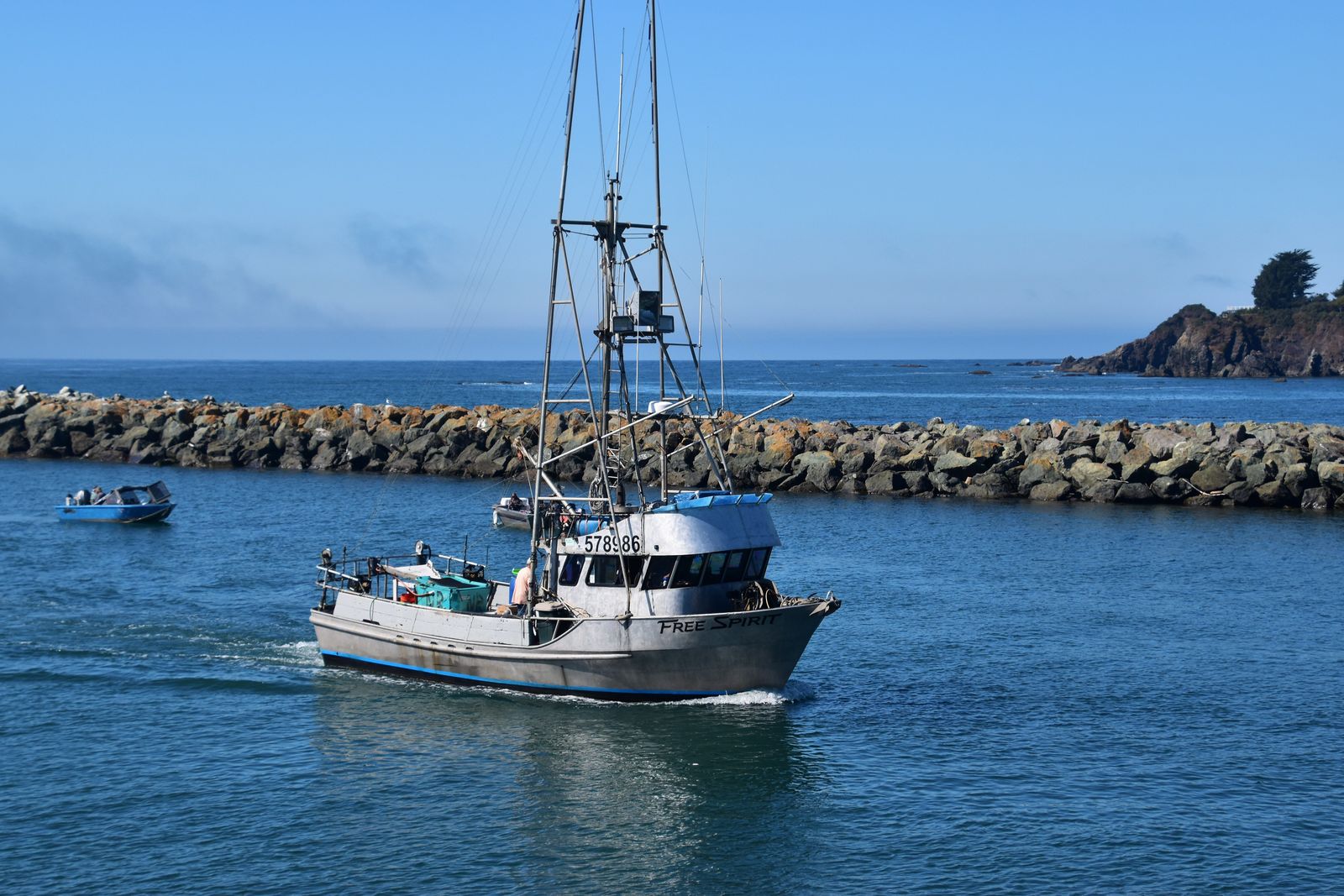
Size limits have moved too. The minimum legal length for both pink snapper and red emperor rises to 45cm, giving more fish the chance to spawn at least once before they can be taken home.
Demersal species — the slow-growing, bottom-dwelling reef fish that anglers prize for the table — are especially vulnerable to fishing pressure. They are long-lived and reproduce slowly, so once a population is knocked down it can take years, even decades, to bounce back. That biology is exactly why fisheries managers reach for bag limits, size limits and, in some places, seasonal closures rather than waiting for stocks to recover on their own.
For WA's large recreational fleet, the practical effect is straightforward: fewer fish in the esky at the end of the day, and a bigger minimum size on two of the most commonly targeted species. The two-fish caps on snapper, red emperor and the tuskfishes also limit how heavily any single prized species can be hit, even when a boat is allowed to keep a mixed bag.
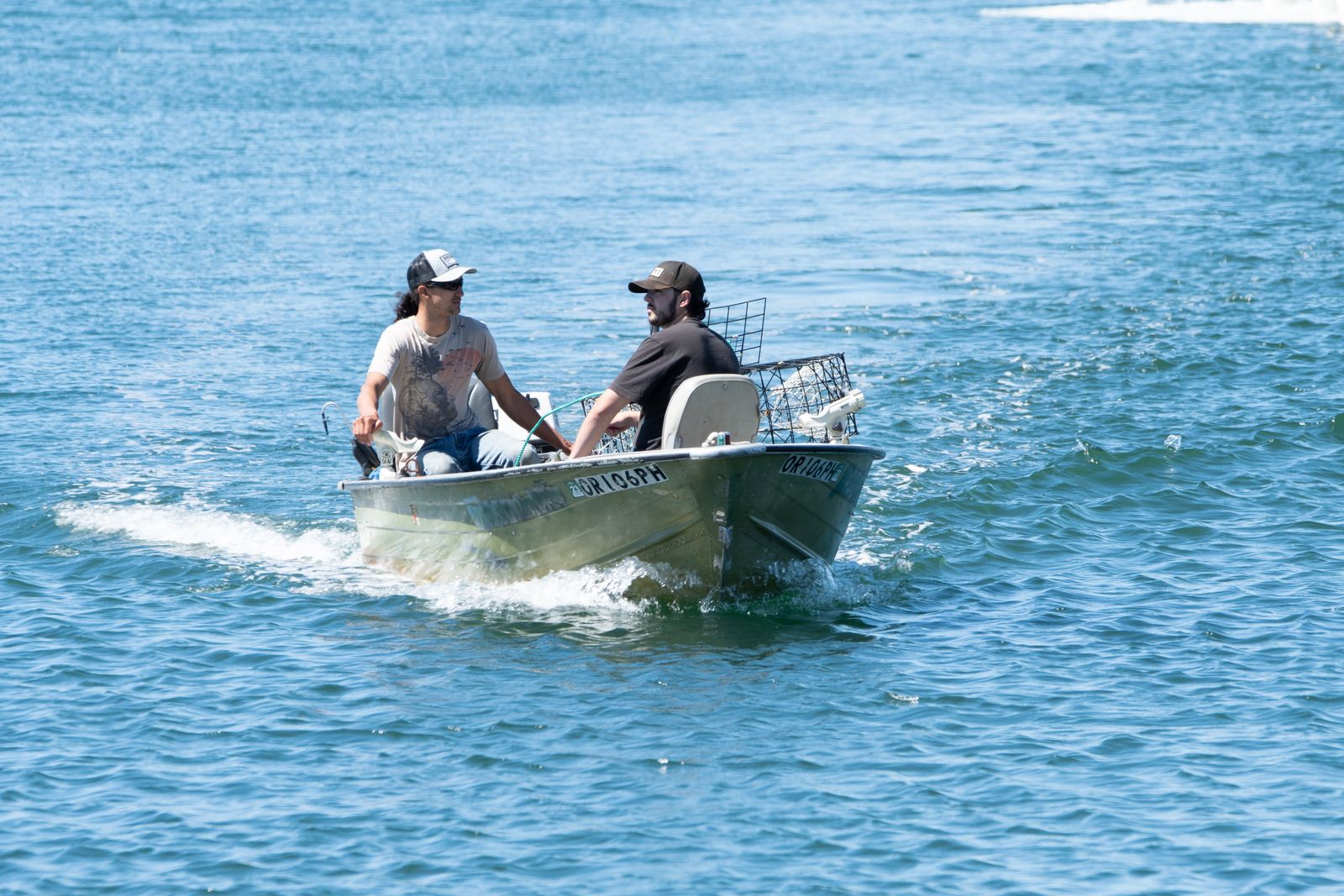
Anglers heading out from June 1 should check the current limits for their bioregion before they wet a line, as penalties apply for exceeding the new caps. The changes land at a time when fisheries managers right around southern Australia are tightening the screws on demersal fishing, with similar pressure on snapper and other reef species playing out in South Australia and beyond. For West Australians, the trade-off is the familiar one being asked of anglers everywhere: take a little less now, in the hope there is more to catch in the years ahead.