While bass boats and high-end gear dominate fishing magazines, one of America's most beloved angling pursuits remains refreshingly simple. Adam Hawthorne, a veteran angler with over three decades of panfish experience, recently witnessed a perfect example of this accessibility when an 8-year-old girl with a $20 Walmart combo and a container of worms completely outfished an adult using $1,000 worth of bass gear.
"I watched this unfold last summer, and it was a moment of both pride and disbelief," Hawthorne shared, reflecting on why panfish continue to reel in more novice anglers than any other species while still challenging seasoned fishermen.
"I watched this unfold last summer, and it was a moment of both pride and disbelief,"
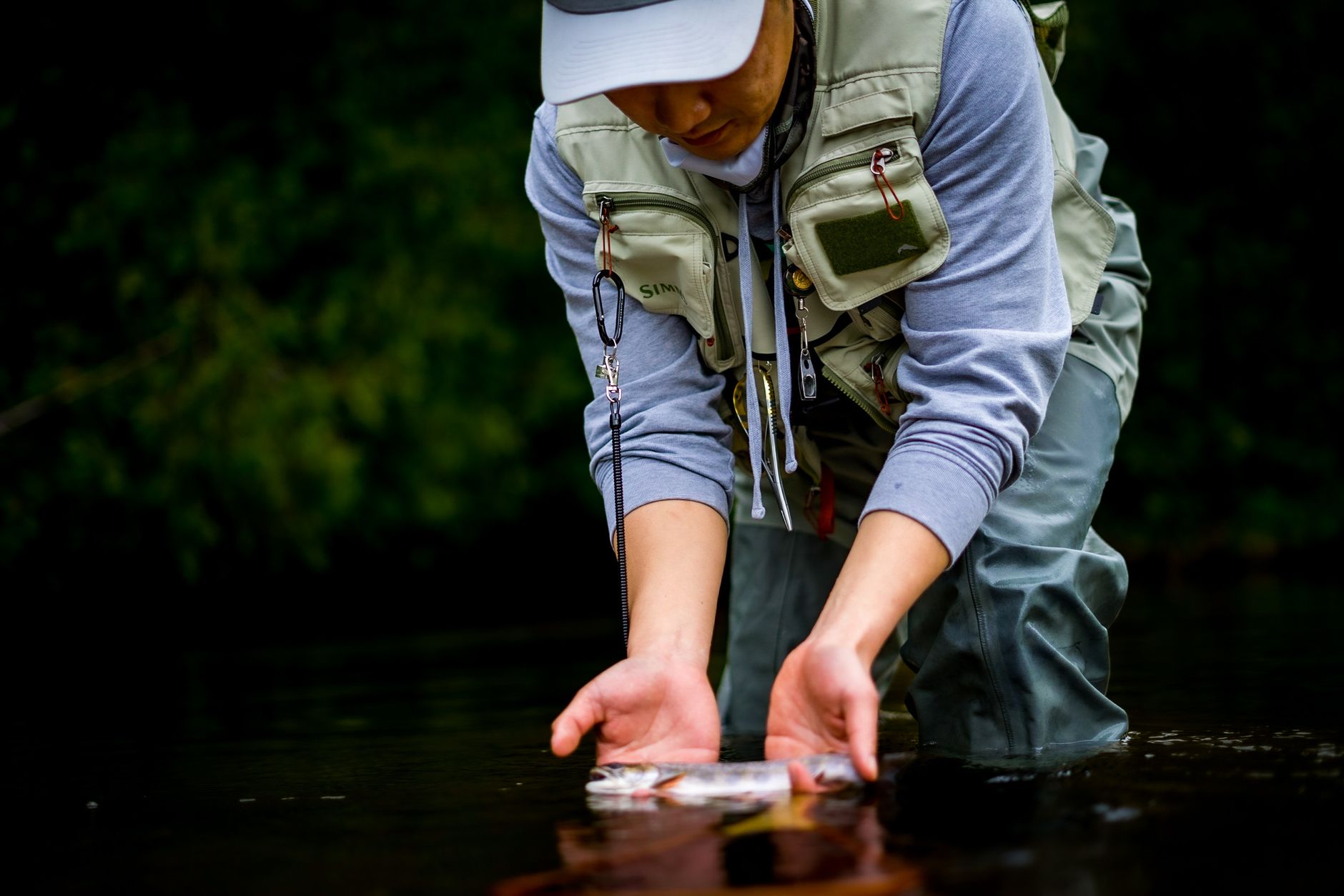

Panfish, including bluegill, crappie, perch, and pumpkinseed, offer anglers a unique combination of widespread availability and excellent table fare. Their small size makes them perfect for frying, creating an ideal target for anglers across all experience levels. However, Hawthorne warns that their apparent simplicity can be deceiving.
**Seasonal Patterns Hold the Key**
The foundation of successful panfishing lies in understanding how these fish behave throughout the year. Spring brings panfish into shallow waters to spawn, while summer finds them relating to structure and cover in deeper areas. Fall triggers an intense feeding frenzy as they prepare for winter, before ultimately seeking the stability of deeper waters during the coldest months.
By the Numbers
Hawthorne learned this lesson through trial and error. "I learned this seasonal pattern the hard way back in '98 when I kept hitting the same shallow coves in August that had produced limits in May. Rookie mistake," he admitted, emphasizing how even experienced anglers can fall into predictable traps.
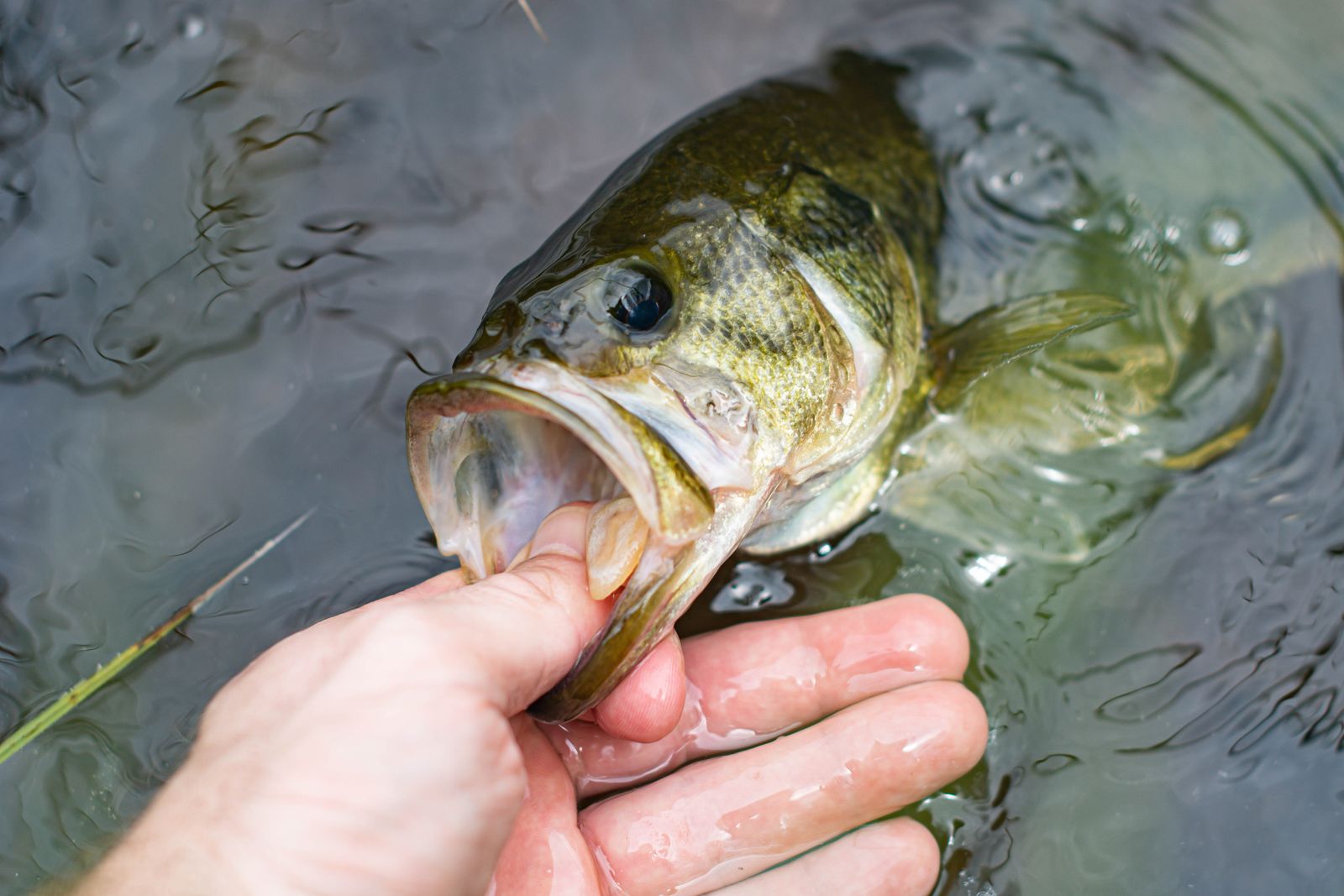
This seasonal awareness separates successful panfish anglers from those who struggle to find consistent action. Understanding when and where panfish move throughout the year allows anglers to adapt their strategies rather than relying on luck or past success.
**Light Tackle Revolution**
One of the most fundamental aspects of successful panfishing involves embracing ultralight gear, a concept many anglers overlook in favor of heavier setups designed for larger species. Hawthorne's approach challenges this conventional thinking.
"Using ultralight gear isn't just about matching the size of the fish – it's about presentation and sensitivity," Hawthorne explained. His preferred setup consists of a 5'6" ultralight rod paired with a 1000-size [spinning reel](/gear/spinning-reel) and 4-pound [monofilament line](/gear/fishing-line). For crappie specifically, he opts for a slightly longer rod to improve his presentation.
"Using ultralight gear isn't just about matching the size of the fish – it's about presentation and sensitivity,"
Impact and Legacy
Impact and Legacy
Impact and Legacy
The benefits extend beyond mere equipment matching. "The lighter the line, the more natural your bait will appear, and the more bites you'll get," Hawthorne noted, highlighting how proper gear selection directly impacts success rates.
"The lighter the line, the more natural your bait will appear, and the more bites you'll get,"
For newcomers concerned about investment costs, Hawthorne offers reassuring advice: "A $30-40 combo will work just fine for your first season. Then, if you get hooked on panfishing like I did, you can upgrade to something nicer." This accessibility remains one of panfishing's greatest appeals.
**Bait Presentation Mastery**
Impact and Legacy
Panfish possess notably small mouths, a detail that significantly influences bait selection and presentation techniques. Live bait continues to reign supreme, with small minnows, crickets, mealworms, wax worms, and red worms leading Hawthorne's recommendations. Red worms earn particular praise as his personal favorite.
Impact and Legacy
The method of hooking bait proves as important as the bait itself. "For worms, I use just a small piece, hooked once through the middle. This leaves both ends free to wiggle enticingly," Hawthorne demonstrated, showing how subtle presentation details can dramatically impact results. Similarly, crickets should be hooked through the thorax to maintain their liveliness and natural action.
Artificial options also merit consideration, particularly micro-sized plastic worms, tiny crankbaits, small spinners, and jigs weighing between 1/32 and 1/16 ounces. Retrieval technique becomes crucial with artificials, as slow presentations with regular pauses often trigger strikes during the pause periods when panfish typically attack.
**Structure and Cover Intelligence**
"Panfish love structure and cover – it's as simple as that. But not all structure is created equal, and this is where casual anglers miss out on consistent action," Hawthorne stated, revealing one of the sport's key insights.
His strategy focuses on drop-offs near shallow areas in Michigan lakes, but the principle applies universally. Submerged logs, weedy outcroppings, and pilings all serve as critical panfish habitat. The key lies in identifying which structures hold fish consistently rather than randomly fishing any available cover.
Understanding structure preferences allows anglers to maximize their time on the water, focusing efforts where panfish naturally concentrate rather than hoping for random encounters.
**The Enduring Appeal**
Hawthorne's experiences illustrate panfishing's unique position in American angling culture. The combination of accessibility, challenge, and reward creates an environment where beginners can succeed while veterans continue learning. As gear becomes increasingly sophisticated and expensive across many fishing disciplines, panfishing maintains its democratic appeal, proving that success often depends more on knowledge and technique than equipment investment.