
The Dusky Flathead, scientifically recognized as *Platycephalus fuscus*, is a prominent species that thrives in the estuarine environments of Australia. Known for their distinct appearance and adaptability, these fish are an important part of both the ecology and the fishing community.
One notable feature of the Dusky Flathead is its variable coloration, which ranges from sandy hues adorned with brown spots to deeper, darker shades with white speckles. "They have a distinctive black spot on their caudal fins that sets them apart from other flathead species," explains a marine biologist specializing in Australian fish.
In terms of size, the Dusky Flathead can grow impressively large, reaching a maximum weight of approximately 15 kg and a length of up to 1.5 meters. These dimensions make them a popular target for anglers and a key species for sustainable fishing practices.
The Dusky Flathead are primarily found in estuaries and coastal bays that stretch from Cairns in Queensland down to the Gippsland Lakes in Victoria. "These fish can inhabit areas with sand, mud, gravel, and seagrass, often residing in estuarine waters up to the tidal limit," noted a fisheries expert. They exhibit a preference for shallow waters but can also venture into deeper zones when necessary.
While fishing for Dusky Flathead, many enthusiasts note their seasonal behavior. "They are more commonly caught during the summer months, which coincides with their breeding cycle," remarked a local fishery officer. This seasonal pattern makes them a sought-after catch for many recreational fishers in the region.
It is crucial for anglers to differentiate Dusky Flathead from other similar species. The distinct black spot at the tail's end is often the key identifying feature. "This spot helps not only in identification but also in understanding their breeding and feeding habits," stated an ecologist focused on Australian marine life.
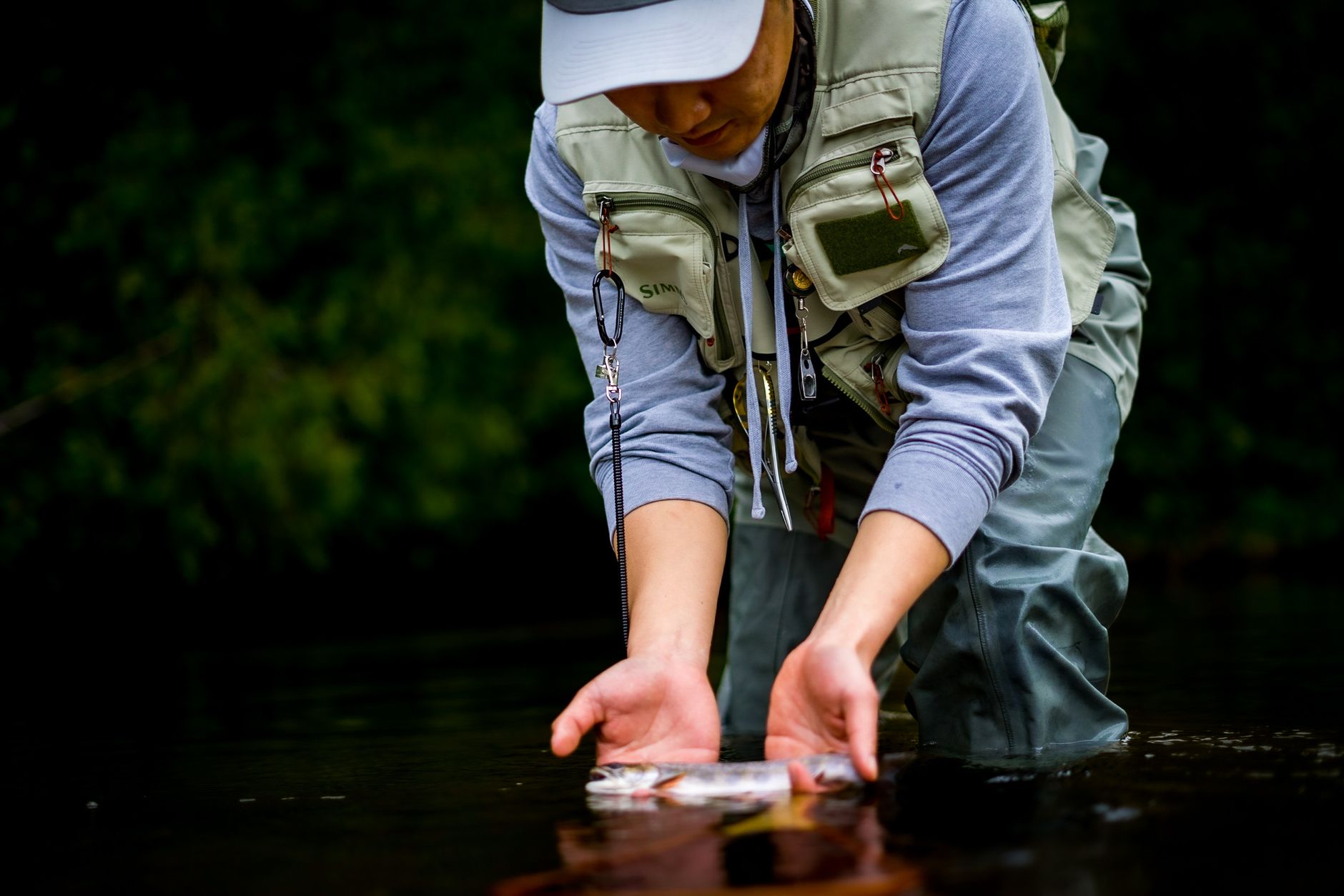
When handling these fish, caution is advised due to their sharp preopercular spines located on either side of their heads. "These spines can be quite sharp and pose a risk when anglers handle the fish for a catch-and-release practice," cautioned a local fisherman with years of experience targeting Dusky Flathead. Proper handling techniques are essential to ensure the safety of both the angler and the fish.

As conservation becomes increasingly important in the face of ecological changes, understanding species like the Dusky Flathead is vital. Their role in the environment and the fishing economy highlights the need for responsible management practices. With their unique characteristics and fascinating habitats, the Dusky Flathead remains a focal point for researchers and fishers alike, emphasizing the interconnectedness of marine ecosystems.
In conclusion, the Dusky Flathead is more than just a popular target for anglers; it is a species that embodies the rich biodiversity of Australia's coastal waters. Continued efforts in research and conservation will play a significant role in sustaining their populations and ensuring the health of estuarine environments.