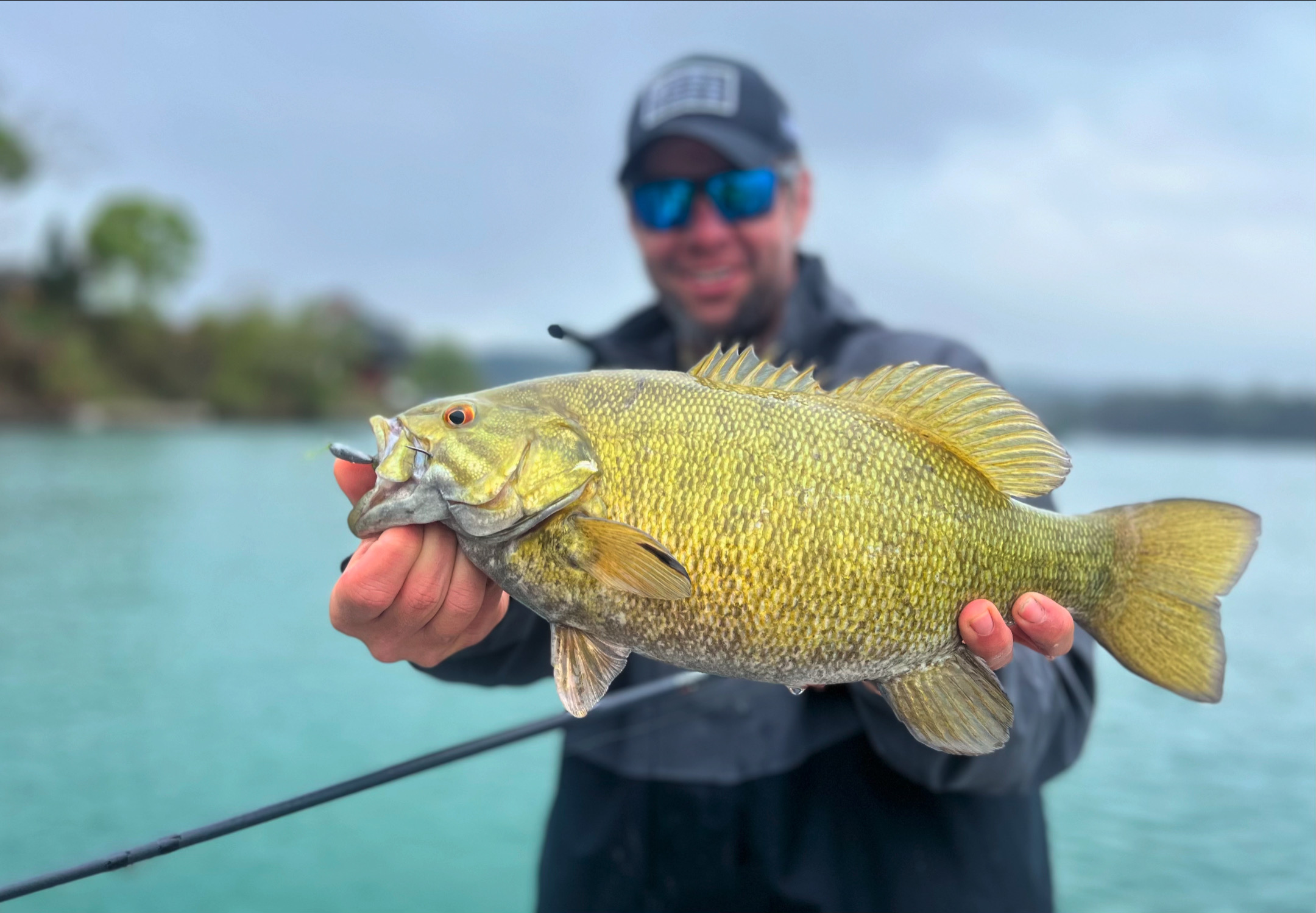
The Northwest United States has emerged as a premier destination for bass fishing enthusiasts, with Washington, Oregon, and Idaho offering diverse aquatic environments that create exceptional conditions for targeting largemouth bass throughout the year.
As spring arrives across the region, fishing guides and seasoned anglers are preparing for what many consider the most exciting time of year for bass fishing. The seasonal transition brings predictable patterns that savvy anglers can exploit for increased success rates.
"Spring is the time when bass are most active, and their patterns become predictable," said an experienced angler familiar with Northwest waters. This period of heightened activity coincides with rising water temperatures that trigger bass to migrate from deeper wintering areas toward shallow spawning grounds.
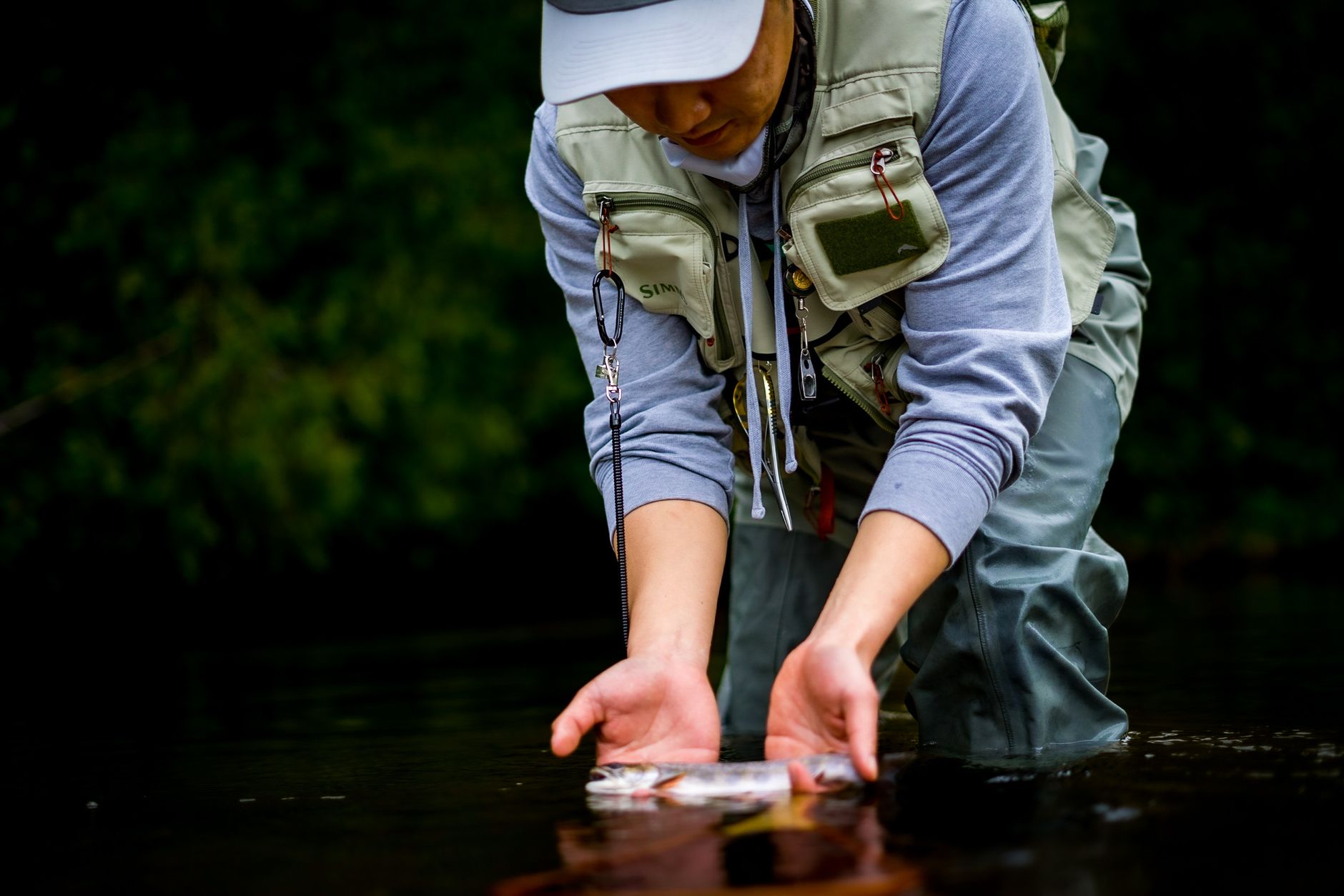
"Spring is the time when bass are most active, and their patterns become predictable,"

Career Journey
The pre-spawn period, beginning in early March and extending through May, represents a golden opportunity for anglers across the region. During early spring, bass typically stage near drop-offs and submerged structures as they prepare for their annual spawning ritual.
Race Results
"The bass get more aggressive during this time, and targeting the deeper areas close to the shallows can yield great results," noted a local fishing expert. This aggressive behavior makes bass more susceptible to a variety of lure presentations, with lipless [crankbaits](/gear/crankbait), jigs, and Carolina rigs paired with [soft plastics](/gear/soft-plastic) proving particularly effective.
"The bass get more aggressive during this time, and targeting the deeper areas close to the shallows can yield great results,"
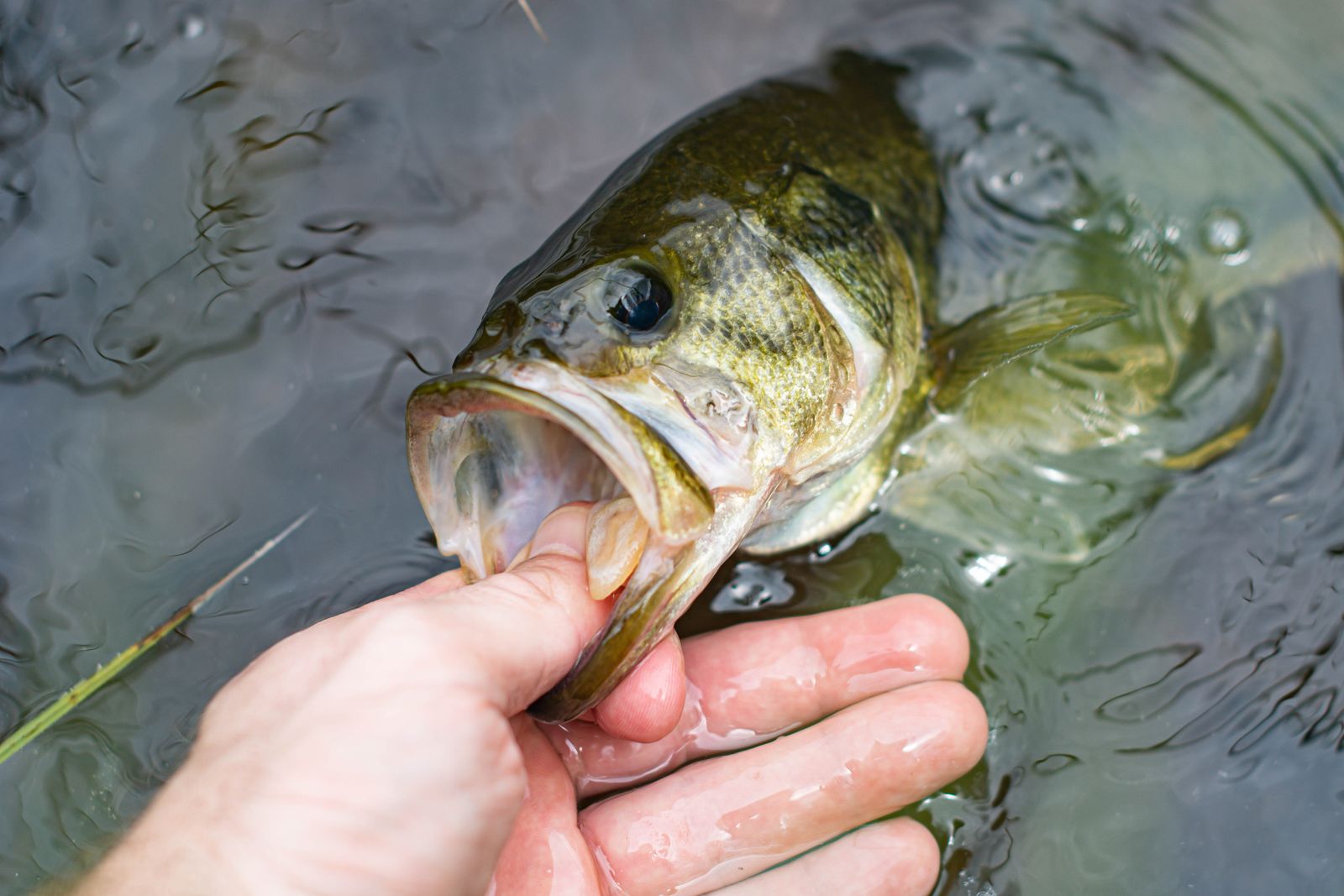
As spring progresses into the actual spawning phase—typically peaking from late April through May—angler strategy must adapt accordingly. Bass move into shallow, protected areas featuring sandy bottoms or vegetation where they construct and defend their nests.
"During the spawn, bass turn aggressive when defending their nests. Using soft plastics, topwater frogs, or spinnerbaits in sight fishing can be incredibly effective," explained a regional fishing guide, emphasizing how territorial behavior during spawning season can work to an angler's advantage.
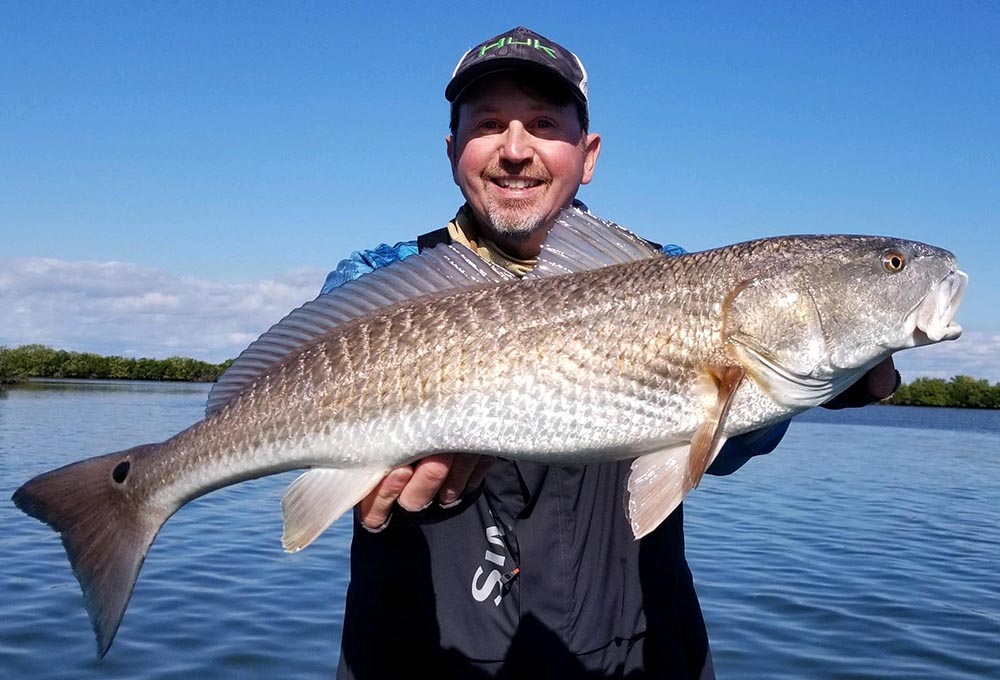
Several Northwest lakes stand out as premier spring bass destinations. Lake Sammamish in Washington has earned recognition for its robust largemouth bass population, making it a must-visit location during the spring months. Clear Lake, Washington, celebrated for its excellent fishing conditions, offers abundant opportunities for both pre-spawn and spawning bass fishing. Lake Merwin, Washington, rounds out the top spring destinations with its combination of clear waters and thick vegetation providing ideal habitat.
As the calendar turns to summer months from June through August, fishing dynamics undergo a significant shift. The rising temperatures force largemouth bass to seek refuge in deeper, cooler waters, creating new challenges for anglers.
"In summer, bass often retreat to deeper structures, requiring a different approach to catch them," cautioned a local expert. This seasonal behavior change demands adjustments in both location selection and presentation techniques.
"In summer, bass often retreat to deeper structures, requiring a different approach to catch them,"
Championship Implications
Post-spawn bass become notably more elusive, typically positioning themselves near points, ledges, and submerged objects in deeper water. The aggressive feeding behavior characteristic of spring gives way to more cautious feeding patterns.
"They're not as aggressive as in the spring, and you'll need to slow down your presentations for better results," advised an avid angler with extensive Northwest experience. This shift in behavior makes soft plastics and deep-diving crankbaits particularly valuable tools for summer bass fishing.
"They're not as aggressive as in the spring, and you'll need to slow down your presentations for better results,"
Late summer fishing requires a finesse approach, as bass often remain in cooler depths and show resistance to fast-moving lures. Timing becomes crucial during these warmer months.
"Focusing on early mornings or late evenings can yield better results, as that's when the bass are more active," suggested a seasoned fishing guide. During these cooler periods, anglers may find success with topwater lures in shallow areas, while jigs and Carolina rigs remain effective for targeting fish in deeper water during midday heat.
"Focusing on early mornings or late evenings can yield better results, as that's when the bass are more active,"
Lake Roosevelt in Washington exemplifies the summer fishing opportunities available in the Northwest. This expansive and deep lake presents fantastic summer fishing possibilities, particularly for anglers targeting bass in deeper water columns where fish seek thermal refuge.
The varying environments across Washington, Oregon, and Idaho create a mosaic of fishing opportunities that change with the seasons. Understanding these seasonal behavioral patterns proves pivotal for anglers seeking to maximize their success rates throughout the year.
As fall approaches, bass begin preparing for another seasonal transition, with feeding patterns shifting once again as fish prepare for the colder months ahead. This cyclical nature of bass behavior creates year-round opportunities for dedicated Northwest anglers willing to adapt their strategies to match seasonal conditions.
The Northwest's numerous lakes, reservoirs, and rich river systems continue to attract fishing enthusiasts from across the region and beyond, cementing the area's reputation as a premier bass fishing destination where success depends largely on understanding and adapting to the seasonal rhythms of largemouth bass behavior.