

In today’s digital landscape, organizations face an increasing number of computer-related threats, from viruses to sophisticated hacker attacks. A Cyber Incident Response Plan (CIRP) serves as an essential strategy for enterprises to navigate these potentially devastating incidents. "A CIRP is crucial for organizations looking to safeguard their digital assets against escalating cyber threats," remarked a cybersecurity analyst.
"A CIRP is crucial for organizations looking to safeguard their digital assets against escalating cyber threats,"
A well-structured CIRP outlines the necessary steps for responding to incidents that may arise, helping organizations determine the nature of the threat swiftly. The plan enables companies to identify whether an incident has originated from a malicious source. This step is pivotal, as an immediate evaluation can lead to effective containment strategies that isolate the enterprise from the threat.


"Timely identification and containment are key elements in mitigating potential damage," stated a cybersecurity consultant. The components of a CIRP generally include identification, containment, eradication, recovery, and lessons learned. Each stage works collectively to fortify an organization's response capabilities.
"Timely identification and containment are key elements in mitigating potential damage,"

Impact and Legacy
Impact and Legacy

Impact and Legacy
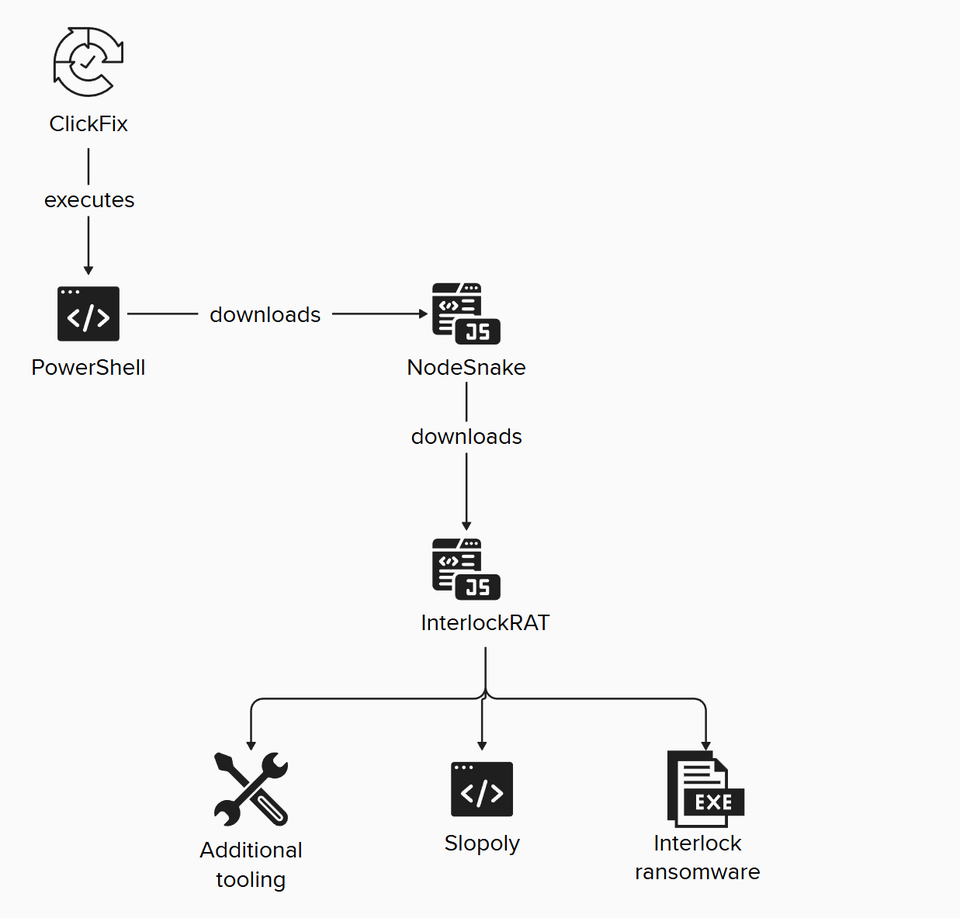
To illustrate, upon detecting a breach, the organization must swiftly contain the threat to prevent further compromise. "The objective is to minimize the impact of the incident while restoring services as quickly as possible," emphasized a cybersecurity chief at a leading tech firm. This notion resonates deeply within corporate environments as they continue to deal with increasing vulnerabilities.
"The objective is to minimize the impact of the incident while restoring services as quickly as possible,"
Impact and Legacy
Team Dynamics
It's also important for a CIRP to include roles and responsibilities, communication plans, and testing protocols. Having designated team members ensures that everyone knows their specific functions during a crisis, which expedites the incident response process. "A defined structure allows for faster decision-making and action, which can be the difference between a minor incident and a full-blown crisis," explained an IT security manager.
"A defined structure allows for faster decision-making and action, which can be the difference between a minor incident and a full-blown crisis,"
Team Dynamics
Training and awareness are additional critical elements of effective incident response. Regular simulations and drills can prepare the team to act swiftly under pressure. A senior security officer noted, "You can't replicate the urgency of a real incident, but practicing can significantly improve response times.
" As cyber threats evolve, so too must the strategies employed to combat them. Organizations are urged to not only create a CIRP but also regularly update and test it to reflect current threats. "An outdated response plan can exacerbate an incident rather than mitigate it," warned a cybersecurity strategist.
"An outdated response plan can exacerbate an incident rather than mitigate it,"
In summary, the Cyber Incident Response Plan serves as a vital blueprint that allows organizations to respond proactively to incidents rather than reactively. A forward-thinking approach ensures that the enterprise can withstand the challenges posed by cyber threats, safeguarding its assets and reputation. As one industry expert stated, "Preparedness is the best defense in an increasingly hostile digital landscape.
" Looking ahead, organizations should make it a priority to develop and refine their CIRPs. In a world where cyber threats are ever-present, the ability to efficiently manage incidents can lead to lasting resilience and trust from customers and stakeholders alike.