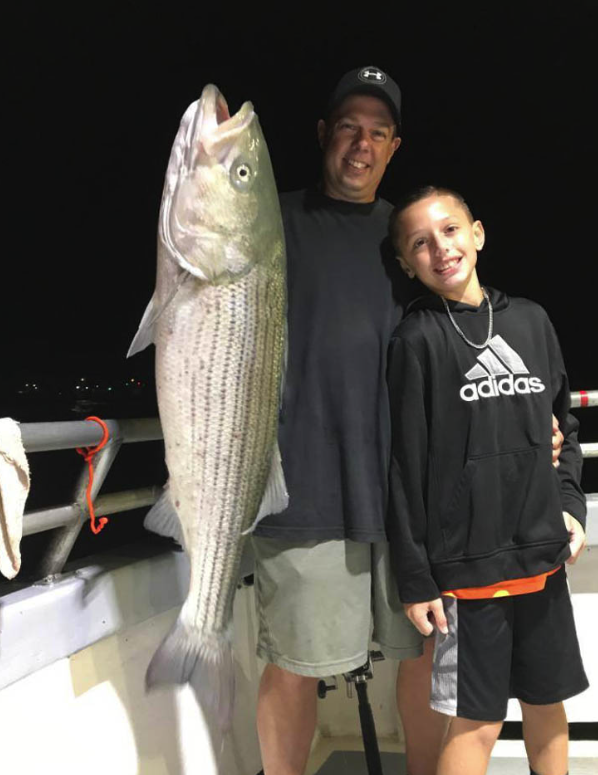
For Connecticut anglers, few fish command as much respect and attention as the striped bass. These powerful game fish have the ability to transform an ordinary day on the water into an unforgettable experience when conditions align perfectly.
"When the bite lines up—bait on the move, tide doing the right thing, birds working—it can go from 'quiet afternoon' to 'why didn't I bring more leaders?'" said a local fishing enthusiast, capturing the excitement that draws thousands of anglers to Connecticut's waters each season.
Connecticut's coastal geography creates ideal conditions for striped bass fishing. Long Island Sound serves as a natural highway for migrating stripers and the baitfish they pursue, while the state's diverse coastline offers countless opportunities for both novice and experienced anglers.

Championship Implications
Championship Implications
Championship Implications
The appeal lies in the accessibility and variety of fishing environments available. From beaches and jetties to bridges, river mouths, and boat launches in areas like Niantic, anglers have numerous entry points to pursue these prized fish. Strong tidal currents concentrate bait in predictable patterns, while the region's diverse coastal structures—including points, reefs, rips, rock piles, and ledges—provide the habitat stripers prefer.
"If you like fishing that rewards timing (tide + light + bait), stripers will keep you entertained for life," noted a local fishing guide, emphasizing the strategic element that makes striper fishing so engaging.
"If you like fishing that rewards timing (tide + light + bait), stripers will keep you entertained for life,"

Successful striped bass fishing in Connecticut requires understanding seasonal patterns and adapting techniques accordingly. Each season presents unique challenges and opportunities that reward prepared anglers.
Career Journey
Career Journey
Spring marks the return of striped bass to Connecticut waters as warming temperatures trigger their migration. However, the spring bite can be unpredictable. "Some days are slow… then a week later you're seeing fish rolling at first light," explained a seasoned angler, describing the feast-or-famine nature of early season fishing.
"Some days are slow… then a week later you're seeing fish rolling at first light,"
During spring, successful anglers focus on smaller lures that match the size of available baitfish and target shoreline structures during moving tides. River mouths become particularly productive as they concentrate both bait and stripers in relatively small areas.
Race Results
Summer transforms striped bass fishing dynamics, with low-light periods becoming the most productive times. Dawn and dusk consistently produce fish, while "night trips for consistent action when conditions line up" can yield exceptional results, according to a fishing expert.
"night trips for consistent action when conditions line up"
As water temperatures rise, stripers often retreat to deeper water and structures during the heat of the day. Topwater techniques can be particularly effective at dawn, when stripers move into shallow water to feed before retreating to cooler depths.
Fall fishing typically generates the most excitement among Connecticut striper enthusiasts. The season's cooling waters trigger intensive feeding behavior, creating opportunities for what anglers call the "run-and-gun" approach.
"run-and-gun"
"Tide changes creating obvious rips, birds dipping and working, and the presence of bunker or peanut bunker in the area" signal prime feeding opportunities, according to fishing veterans who have learned to read these telltale signs of active schools.
"Tide changes creating obvious rips, birds dipping and working, and the presence of bunker or peanut bunker in the area"
"Cold water doesn't forgive bad prep," warned an experienced charter captain, emphasizing that winter striped bass fishing demands proper preparation and safety equipment.
"Cold water doesn't forgive bad prep,"
Anglers have two primary approaches for targeting Connecticut stripers: shore fishing and boat fishing, each offering distinct advantages.
Shore fishing proves most effective when targeting areas with current and structure. Harbor entrances often concentrate baitfish, making them natural feeding areas for stripers. River mouths provide access to deeper water where larger fish often lurk, while bridges and tidal pinch points create natural funnels that concentrate both bait and predators.
Jetties and rock walls attract marine life and provide the structure stripers use for ambush feeding. Shore anglers are encouraged to stay mobile, constantly searching for signs of life such as diving birds, surface activity, or visible baitfish.
Boat fishing opens additional possibilities, allowing anglers to access offshore structures, deeper water, and areas unreachable from shore. Boat anglers can follow migrating schools and position themselves over specific bottom structures that consistently hold fish.
The key to consistent success lies in understanding how tidal movements, light conditions, and bait availability combine to create feeding opportunities. Striped bass are opportunistic predators that respond to environmental cues, making timing crucial for success.
Connecticut's striped bass fishery represents one of the state's premier angling opportunities. The combination of accessible fishing locations, diverse coastal structure, and predictable seasonal patterns creates conditions that can satisfy anglers regardless of their experience level or preferred fishing methods.
Whether casting from shore at dawn or running offshore reefs at sunset, Connecticut striped bass fishing offers the kind of strategic challenge that keeps anglers returning season after season, always hoping for that perfect alignment of conditions that transforms a quiet afternoon into an unforgettable fishing experience.