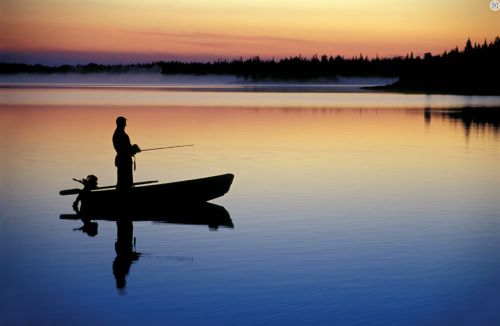
Just 20 minutes from Topeka, Perry Lake has quietly established itself as one of Kansas's most versatile fishing destinations, drawing anglers from across the region to its 11,600-acre expanse. The reservoir, also known as Perry Reservoir, offers exceptional opportunities for catching black bass, crappie, and catfish, creating a diverse fishing ecosystem that caters to both novice and experienced anglers.
"Perry Lake is a fantastic place to fish, offering something for everyone and plenty of room to explore," said local angler Mark Peters, echoing the sentiment of many who have discovered the lake's hidden potential.
"Perry Lake is a fantastic place to fish, offering something for everyone and plenty of room to explore,"
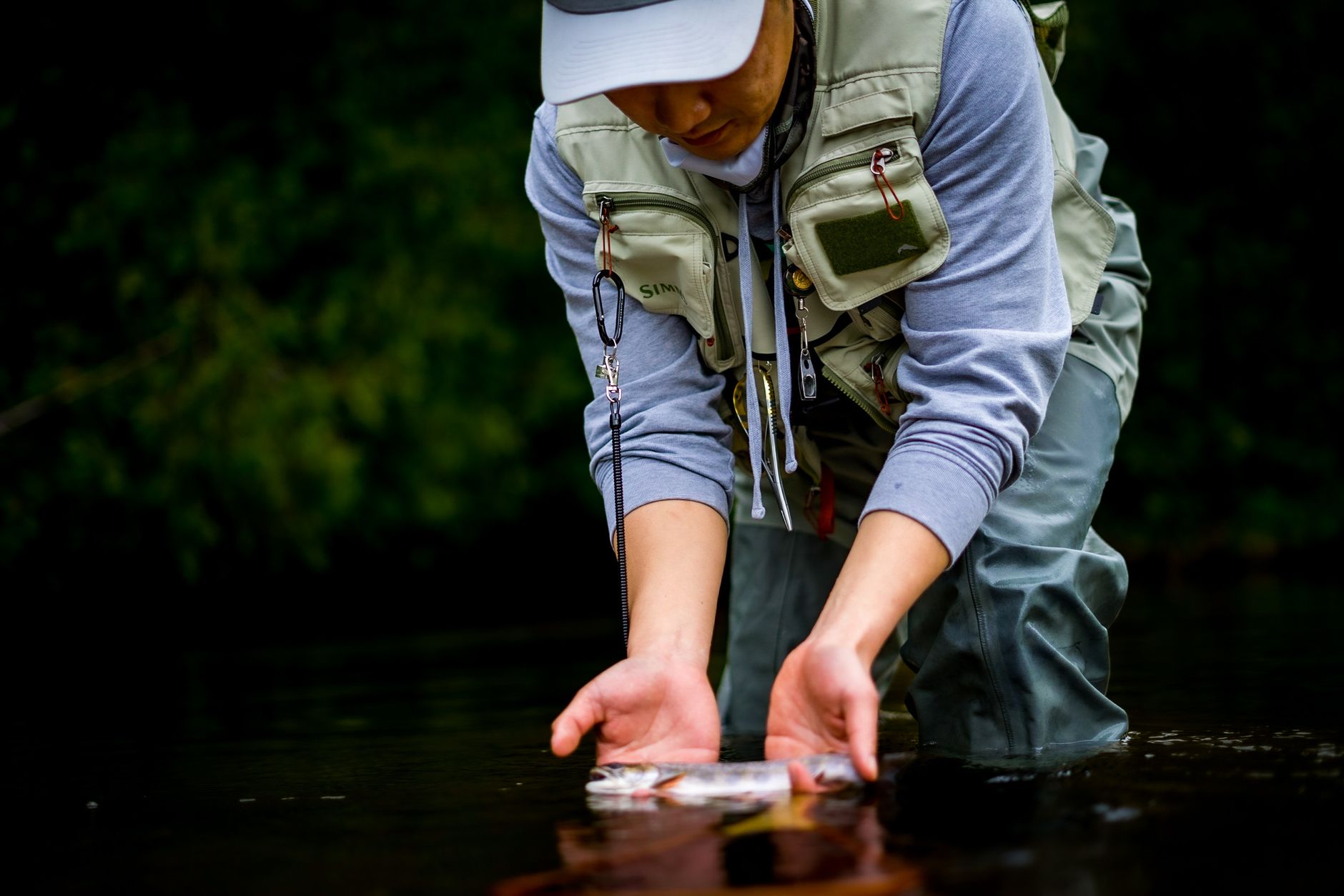
The reservoir has gained particular recognition for its robust bass populations, featuring both smallmouth and largemouth varieties. While these fish may not break records for size, they make up for it in numbers and fighting spirit, with most catches averaging between one and two pounds.

"Even if they aren't gigantic, the thrill of catching a bass here is unmatched," said Jill Thompson, a fishing guide familiar with the lake's dynamics.
"Even if they aren't gigantic, the thrill of catching a bass here is unmatched,"
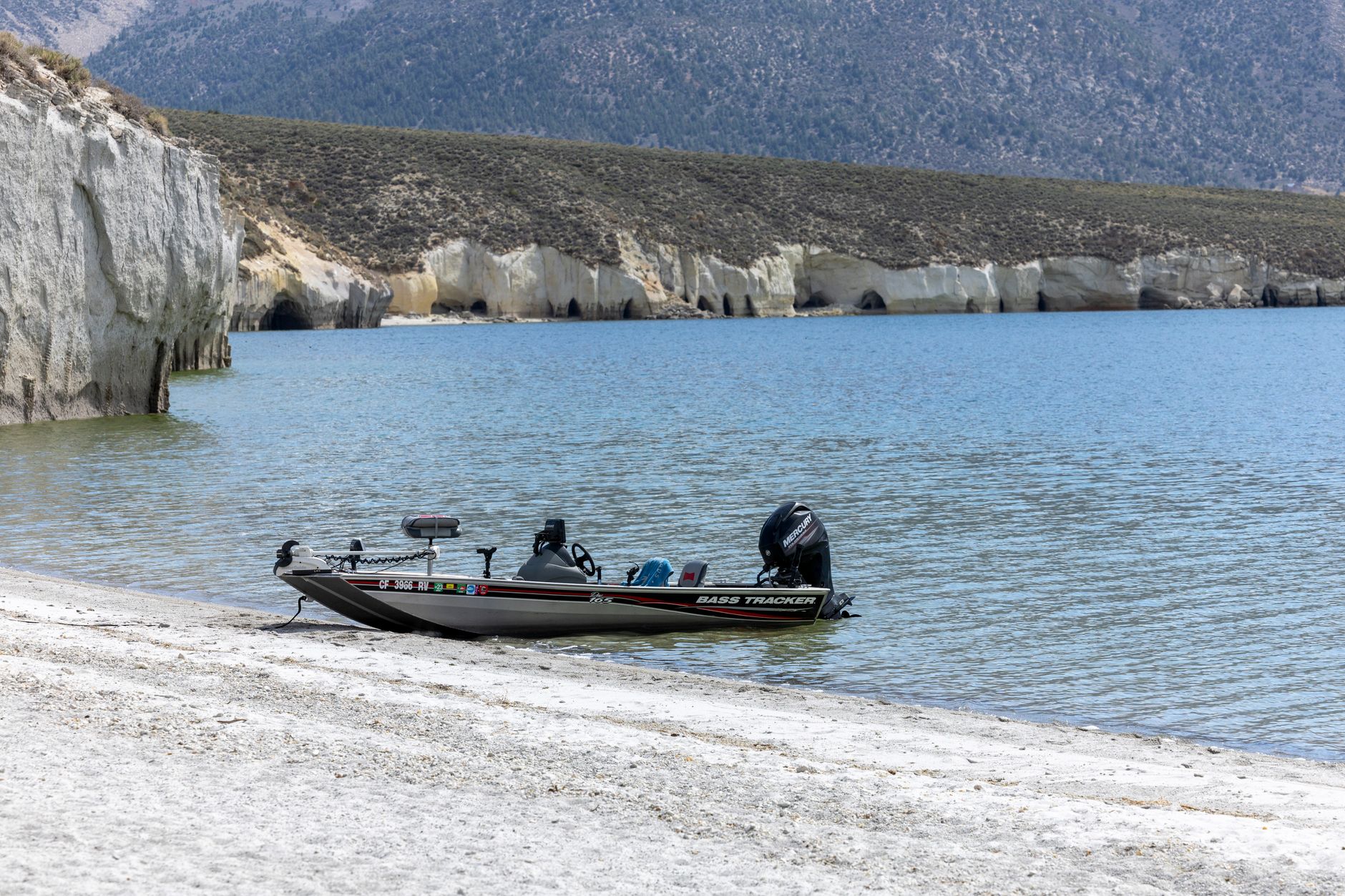
For largemouth bass enthusiasts, the key to success lies in understanding the fish's preferred habitat. Local fishing expert Rick Mendoza explains that largemouth bass gravitate toward the creek arms surrounding the lake, where they seek shelter in brush, standing timber, and other structures, particularly in the lake's murkier waters.
Successful largemouth fishing typically involves strategic lure selection. When conditions are favorable, spinnerbaits, crankbaits, and bladed jigs prove most effective. However, on more challenging days, many anglers turn to a reliable backup: the green pumpkin Senko, rigged either Texas or wacky-style.
Current Season
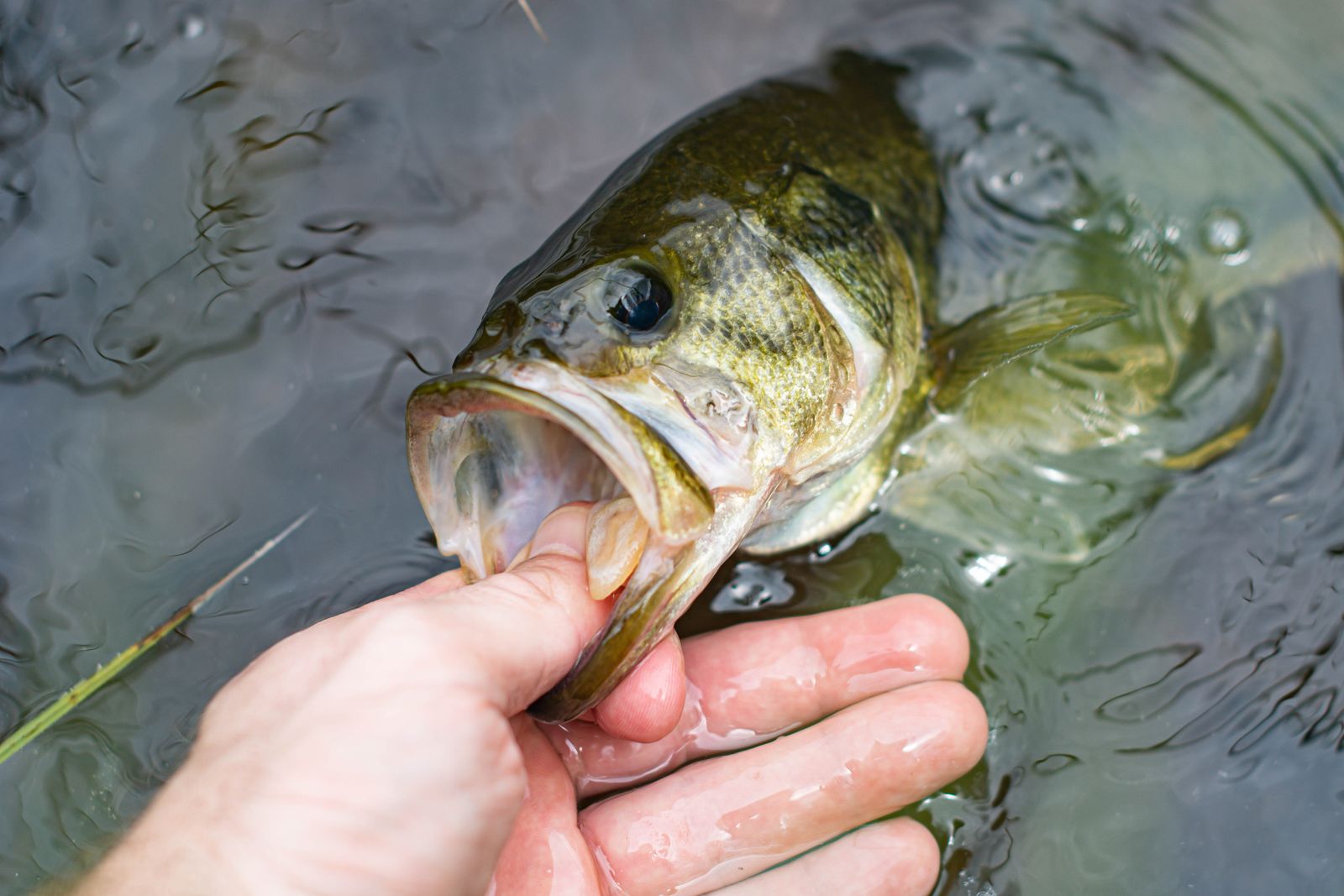
Smallmouth bass present a different challenge altogether, preferring clearer waters and rocky structures. These fish concentrate around main lake points, especially during water releases from the dam. Seasoned angler Steve Harper notes that smallmouth bass demonstrate superior current-handling abilities compared to their largemouth cousins.
"It's quite common to hook a smallmouth when the rivers or creeks are flowing, as they can handle the current better than their largemouth counterparts," Harper explained.
"It's quite common to hook a smallmouth when the rivers or creeks are flowing, as they can handle the current better than their largemouth counterparts,"
Targeting smallmouth bass requires a more finesse-oriented approach. Harper recommends downsizing lures, opting for Rooster Tail spinners or small 3-4 inch swimbaits that mimic local forage. Wacky-rigged 4-inch Senkos also prove highly effective for this species.
Career Journey
Beyond bass fishing, Perry Lake has earned recognition as a premier crappie destination. The lake's population is dominated by white crappie, which are notably more active and easier to catch during the early months of the year. Understanding seasonal patterns is crucial for consistent success.
Veteran angler Laura Jenkins emphasizes the importance of starting at the bridges, which serve as consistent crappie magnets throughout the year. "Start at the bridges, which consistently attract crappies year-round. It's a hotspot for anglers looking to catch these delicious fish," Jenkins advised.
Race Results
Spring brings the most predictable crappie action as fish move into shallow waters for spawning. During this period, minnows, jigs, and small spinners near rock and brush piles produce consistent results. As summer arrives and post-spawn patterns develop, crappies school around brush piles at depths ranging from 15 to 25 feet.
"Jigs and minnows are typically the most effective means for summer crappie fishing, as they are easier to maneuver in deeper waters," Jenkins explained.
"Jigs and minnows are typically the most effective means for summer crappie fishing, as they are easier to maneuver in deeper waters,"
Fall fishing presents unique opportunities as crappies chase shad back into shallower waters, while winter requires adaptability as fish exhibit varied feeding patterns, sometimes preferring warmer shallow areas and other times retreating to deeper sanctuaries.
"For winter, focus on lures that resemble shad, as well as live minnows, which work well during those [cooler](/gear/cooler) months," Jenkins added.
"For winter, focus on lures that resemble shad, as well as live minnows, which work well during those cooler months,"
Catfishing enthusiasts will find Perry Lake equally rewarding, with healthy populations of both blue and channel catfish. However, success requires more than just casting and waiting. Local angler Tom Robinson emphasizes the importance of species identification and regulatory compliance.
"Understanding how to distinguish between blue catfish and channel cats is crucial, especially with the different regulations in place for each," Robinson advised.
"Understanding how to distinguish between blue catfish and channel cats is crucial, especially with the different regulations in place for each,"
The diversity of fishing opportunities at Perry Lake reflects the reservoir's healthy ecosystem and varied habitat structure. From the technical challenge of smallmouth bass fishing around rocky points to the patient art of crappie fishing around bridges and brush piles, the lake offers something for every angling preference and skill level.
As word continues to spread about Perry Lake's fishing potential, it represents a significant asset for Kansas's recreational fishing industry, providing accessible, high-quality angling opportunities just minutes from the state capital.