Bass fishing continues to dominate the American angling scene, attracting enthusiasts of all skill levels who seek the thrill of battling one of freshwater's most tenacious fighters. The sport's enduring popularity stems from the bass's reputation as aggressive, hard-fighting fish that provide memorable experiences for families and individuals across the nation's waterways.
"Bass are good fighters known for their aggressive nature," shared a prominent local fishing enthusiast, capturing the essence of what draws millions of anglers to pursue these prized game fish. The versatility of bass fishing sets it apart from other angling pursuits, as these adaptable fish can be targeted year-round across diverse habitats, making the sport accessible to both seasoned professionals and newcomers eager to cast their first line.
"Bass are good fighters known for their aggressive nature,"
The foundation of successful bass fishing lies in strategic location selection, according to experienced guides who emphasize the critical importance of understanding where bass are likely to be found. "If you're not targeting spots where the bass are likely to be, you won't have much luck," cautioned a seasoned fishing guide, highlighting how proper research can make or break an angling expedition.
"If you're not targeting spots where the bass are likely to be, you won't have much luck,"

Anglers seeking productive waters should leverage multiple resources, including state and regional fishing websites, online forums, and insights from local fishing clubs. For beginners, local tackle shops often serve as invaluable information hubs where knowledgeable staff members share useful tips and current fishing conditions, though experienced anglers note that shop owners rarely reveal their most closely guarded secrets.
Bass populations thrive in remarkably diverse environments, from fast-flowing rivers to tranquil lakes and neighborhood ponds. Smart anglers regularly consult updates from state and provincial fishery departments, which provide periodic fishing reports and population assessments that can guide fishing efforts toward the most productive locations.
Once anglers identify promising fishing zones, the next crucial step involves pinpointing specific hot spots within those areas. Bass exhibit predictable behavior patterns, consistently gravitating toward structural elements that provide both cover and ambush opportunities. Rocks, submerged stumps, fallen trees, and environmental transitions such as depth changes or aquatic vegetation edges consistently produce fish.
"Flowing water and high current zones are also hot spots for active bass," noted an experienced bass angler, emphasizing how moving water often concentrates feeding activity. Vegetation, particularly established weed beds, serves dual purposes in bass habitat by offering protective cover while simultaneously enhancing water oxygen levels, creating ideal conditions for both bass and their prey species.
"Flowing water and high current zones are also hot spots for active bass,"
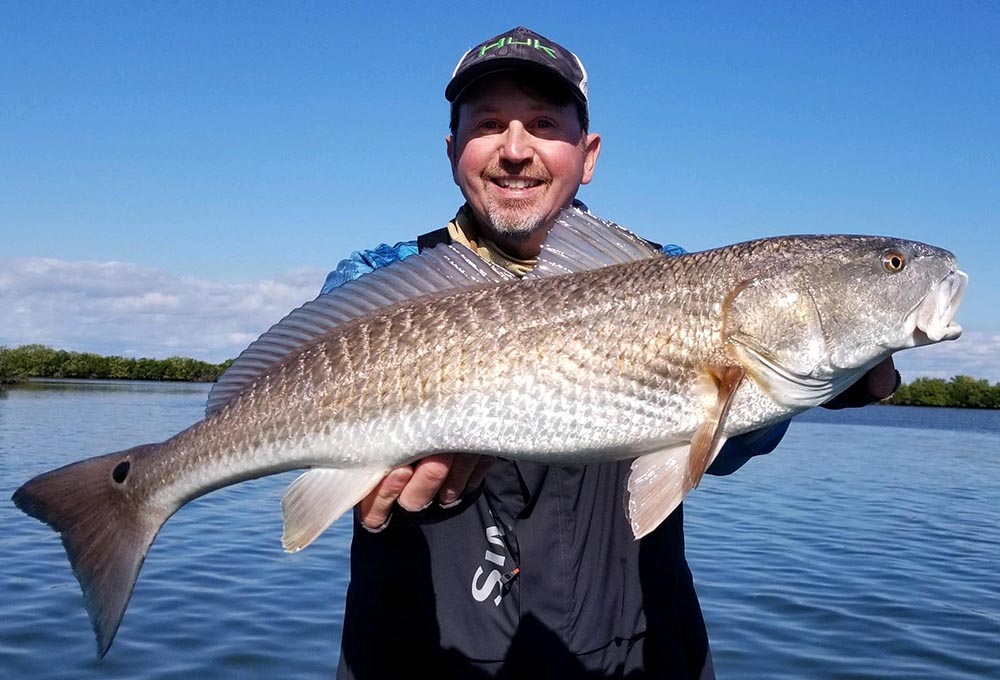
While modern technology including detailed maps and sophisticated sonar equipment can help identify potential fishing locations, many successful anglers stress that nothing replaces hands-on exploration. "Getting out there and scouting yourself on foot or from your boat" can reveal promising locations that don't appear on electronic displays, advised a seasoned angler. However, responsible anglers always respect private property boundaries and obtain proper permission when necessary.
"Getting out there and scouting yourself on foot or from your boat"
Impact and Legacy
Lure selection represents another critical component of bass fishing success, with experienced anglers rejecting any one-size-fits-all approach in favor of adaptive strategies. "You must match your lure to the prevailing conditions," remarked a professional angler, noting how factors including water temperature, barometric pressure, and seasonal patterns significantly influence bass feeding behavior and lure effectiveness.
"You must match your lure to the prevailing conditions,"
For 2024, many industry experts recommend returning to proven classic lures including jerk baits and spinnerbaits, while also incorporating natural soft plastics that have emerged as essential components in modern tackle boxes. This combination of traditional reliability and contemporary innovation provides anglers with versatile options for varying conditions.
Skill development in bass fishing requires dedicated practice and technique refinement. "Practice makes perfect," emphasized a coaching expert while outlining the benefits of mastering fundamental casting techniques. Beginning anglers benefit from starting with simple setups before progressing to advanced methods that allow access to tight fishing areas often overlooked by less skilled competitors.
"Practice makes perfect,"
Two essential techniques that serious bass anglers must master include flipping and pitching, both of which utilize lightweight baitcasting equipment for precision presentations. Pitching technique involves pinching the fishing line against the rod while creating a pendulum-like motion, while flipping allows anglers to let out additional line for more vertical presentations in heavy cover.
Topwater fishing represents one of the most exciting methods for targeting aggressive bass, using surface lures such as poppers and plugs to create enticing disturbances that trigger explosive strikes. "Aim close to cover and introduce pauses," suggested a topwater fishing coach, explaining how strategic presentation maximizes the likelihood of provoking strikes from bass lying in ambush beneath the surface.
"Aim close to cover and introduce pauses,"
Crankbaits provide another highly effective tool in the bass angler's arsenal. These hard-bodied lures, equipped with diving bills that determine running depth, facilitate systematic coverage of varying water depths and allow anglers to efficiently search large areas while maintaining consistent lure action that appeals to bass feeding instincts.