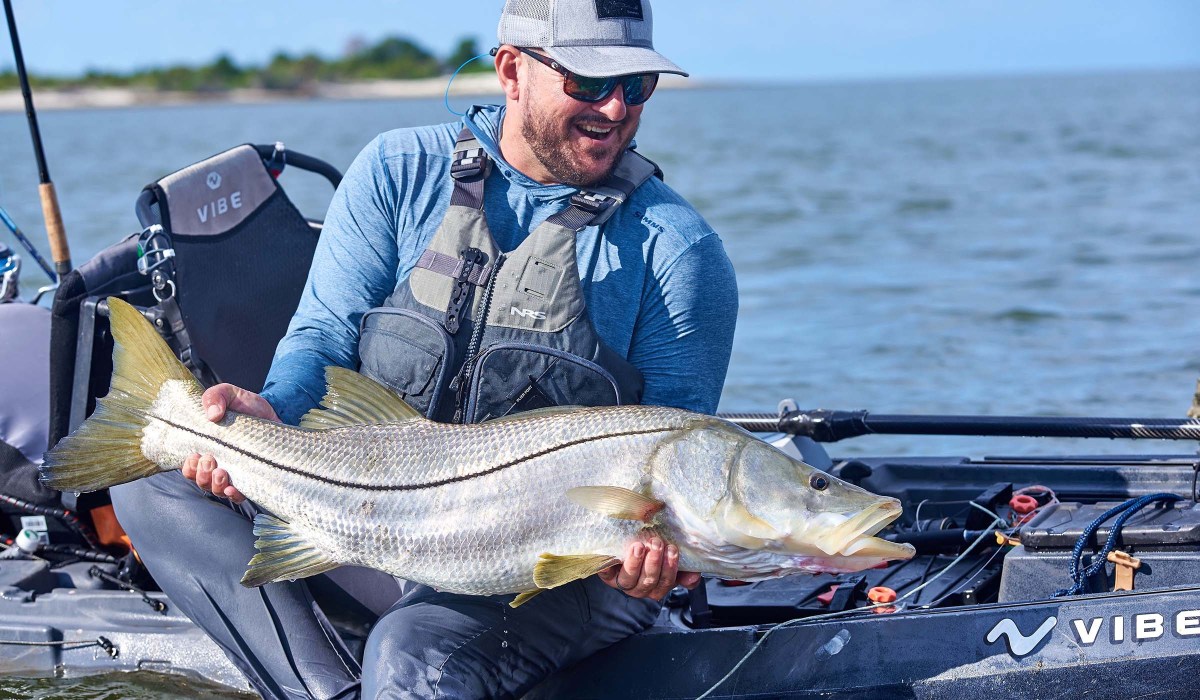
The saltwater fishing scene is witnessing a quiet revolution as baitcasting reels, traditionally the domain of freshwater enthusiasts, make significant inroads into coastal and inshore angling. This shift represents a fundamental change in how serious anglers approach saltwater fishing, driven by substantial improvements in materials science and engineering.
The transformation is perhaps best illustrated by professionals like Captain C.A. Richardson, an inshore fishing expert who has fundamentally altered his approach to gear selection. "I rarely use spinning gear anymore," Richardson said, representing a dramatic departure from conventional saltwater fishing wisdom that has long favored spinning reels for their ease of use and casting distance.
"I rarely use spinning gear anymore,"

This preference shift among seasoned professionals signals a broader trend that's reshaping the saltwater fishing equipment landscape. Where once baitcasting reels were considered unsuitable for the corrosive marine environment, modern engineering has produced a new generation of reels specifically designed to withstand the harsh conditions of saltwater fishing while delivering the precision and control that made baitcasters popular in freshwater applications.

The evolution has been driven by several key factors, including advanced corrosion-resistant materials, improved sealing systems, and engineering innovations that address the unique challenges of saltwater fishing. These developments have created opportunities for anglers to leverage the superior casting accuracy and line control that baitcasting reels provide, particularly valuable in the precision-demanding world of inshore fishing.
Recent comprehensive testing of saltwater baitcasting reels reveals a diverse marketplace with options tailored to specific fishing applications. Leading this field is the Shimano TranX, which has emerged as the standout performer across multiple categories. The reel has earned recognition for its exceptional durability and consistent performance under the demanding conditions that define saltwater fishing.
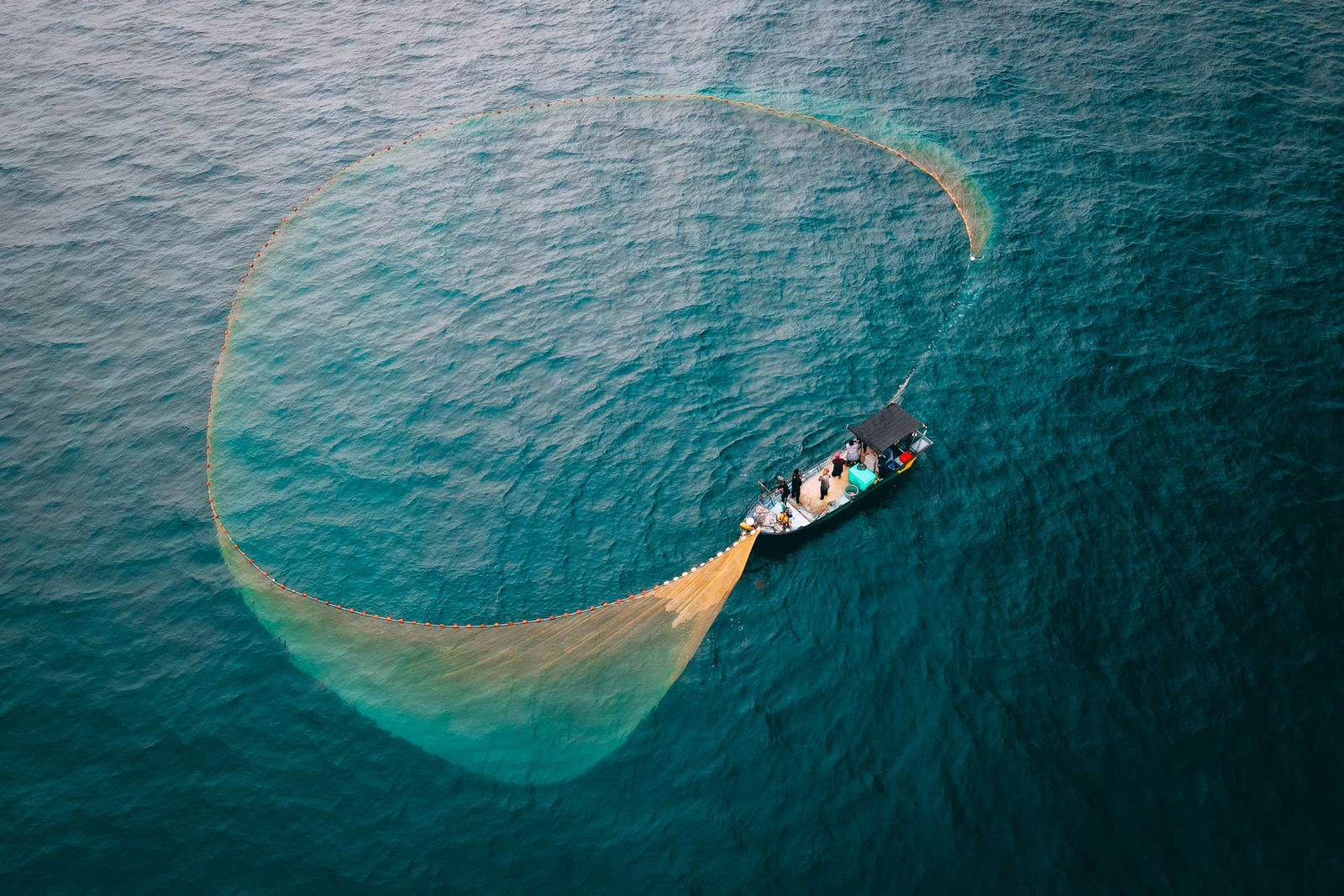
For specialized applications, different reels have claimed top positions in their respective categories. The Penn Fathom has distinguished itself in jigging applications, earning praise from dedicated practitioners of this technique. "It's built tough with a level of precision many other reels simply can't match," noted one experienced jig fisherman, highlighting the reel's ability to combine the strength necessary for battling larger fish with the smooth operation required for effective jig presentation.
"It's built tough with a level of precision many other reels simply can't match,"
Space-conscious anglers have found their solution in the Daiwa Coastal SV TW 150, a compact design that doesn't sacrifice functionality for size. This reel addresses a common concern among anglers who prefer lighter tackle setups or need to pack efficiently for fishing trips while maintaining the power and reliability necessary for inshore adventures.
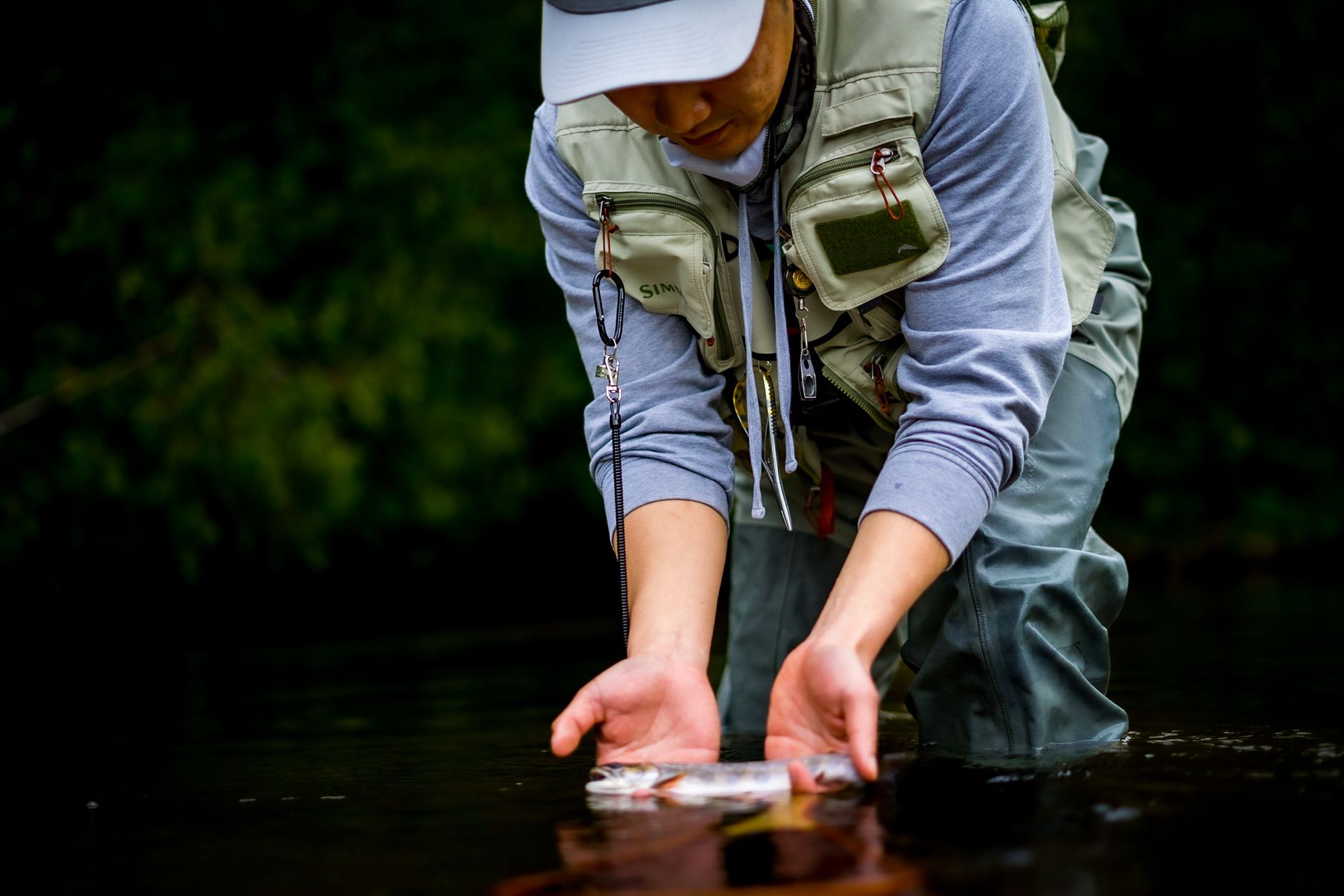
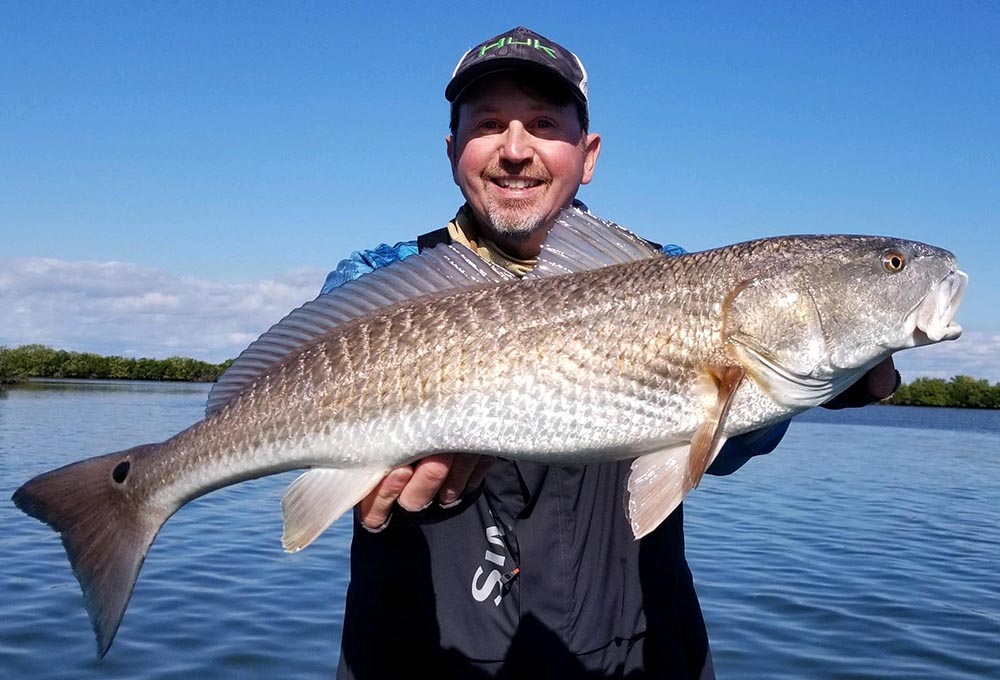
Speed-focused fishing techniques have their champion in the Abu Garcia Revo Inshore, engineered specifically for rapid retrieval situations. This specialization proves particularly valuable when targeting fast-swimming species or when fishing techniques demand quick line recovery to maintain contact with fast-moving lures or to prepare for rapid follow-up casts.
For heavy-duty applications where durability is paramount, the Bates Salty 150 has established itself as the preferred choice. Its robust construction addresses the needs of anglers pursuing larger saltwater species where equipment failure isn't just inconvenient—it can mean the loss of a trophy fish. "This reel can take a beating and keep on performing," observed one angler who regularly fishes in challenging conditions, emphasizing the reliability factor that's crucial in demanding saltwater environments.
"This reel can take a beating and keep on performing,"
The testing process that identified these top performers was conducted by Scott Einsmann, an experienced saltwater angler whose extensive coastal fishing experience spans from Texas to Virginia. Einsmann's evaluation methodology focused on real-world performance factors that matter most to working anglers, particularly how equipment withstands prolonged exposure to saltwater.
"I looked for critical qualities like drag material and gearing to determine their suitability," Einsmann explained, highlighting the technical aspects that separate saltwater-capable reels from their freshwater counterparts. His testing protocol extended over several months and encompassed diverse fishing environments, from North Carolina's intricate marsh systems to the challenging flats of Biscayne Bay.
"I looked for critical qualities like drag material and gearing to determine their suitability,"
This comprehensive approach ensured that the reels were evaluated under varied conditions that reflect the reality of saltwater fishing, where equipment must perform reliably whether facing the technical challenges of sight fishing in shallow water or the brute-force demands of battling large fish in open water.
The testing also included additional noteworthy options such as the Shimano Curado K and Lew's Custom Inshore, demonstrating the depth of quality options now available to saltwater anglers considering the transition to baitcasting equipment.
This expanding selection represents more than just increased product availability—it reflects a maturing market where manufacturers are investing in saltwater-specific engineering rather than simply adapting freshwater designs. As more anglers discover the advantages of baitcasting precision in saltwater applications, the technology continues advancing, creating a positive cycle of innovation and adoption that's reshaping how serious anglers approach their sport.