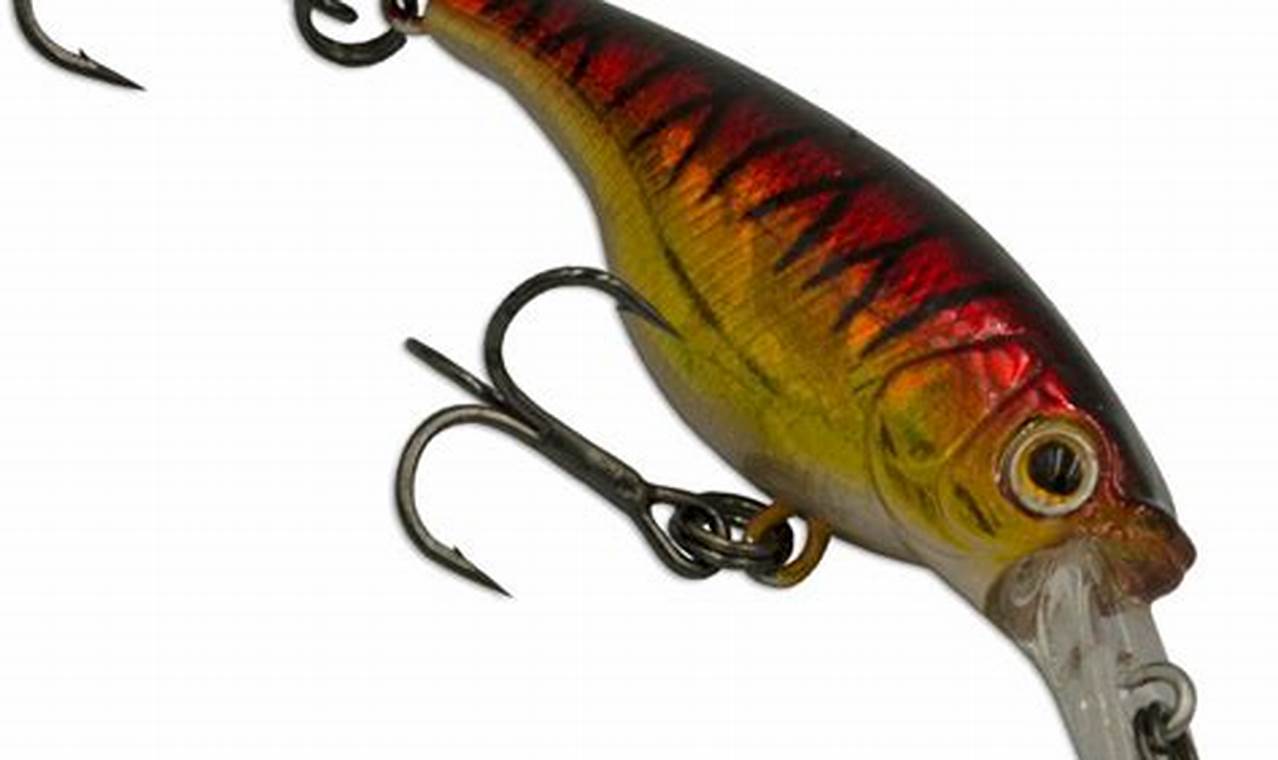
Fishing for bream, a popular panfish known for its spirited fight and delicious taste, requires skillful selection of lures designed to entice these fish. "The right lure can make all the difference," said veteran angler Tom Roberts, emphasizing the importance of suitable gear. As bream thrive in various aquatic environments, knowing how to choose the right tools is essential for a successful outing.
Enhancing Bream Angling Success
Several factors play into the effectiveness of particular lures. Understanding the elements like lure size, retrieval techniques, and water conditions can vastly improve catch rates. "You have to closely match the local forage base to be successful," noted bream expert Sarah Johnson. This is where considering the nuances of various lures becomes crucial.
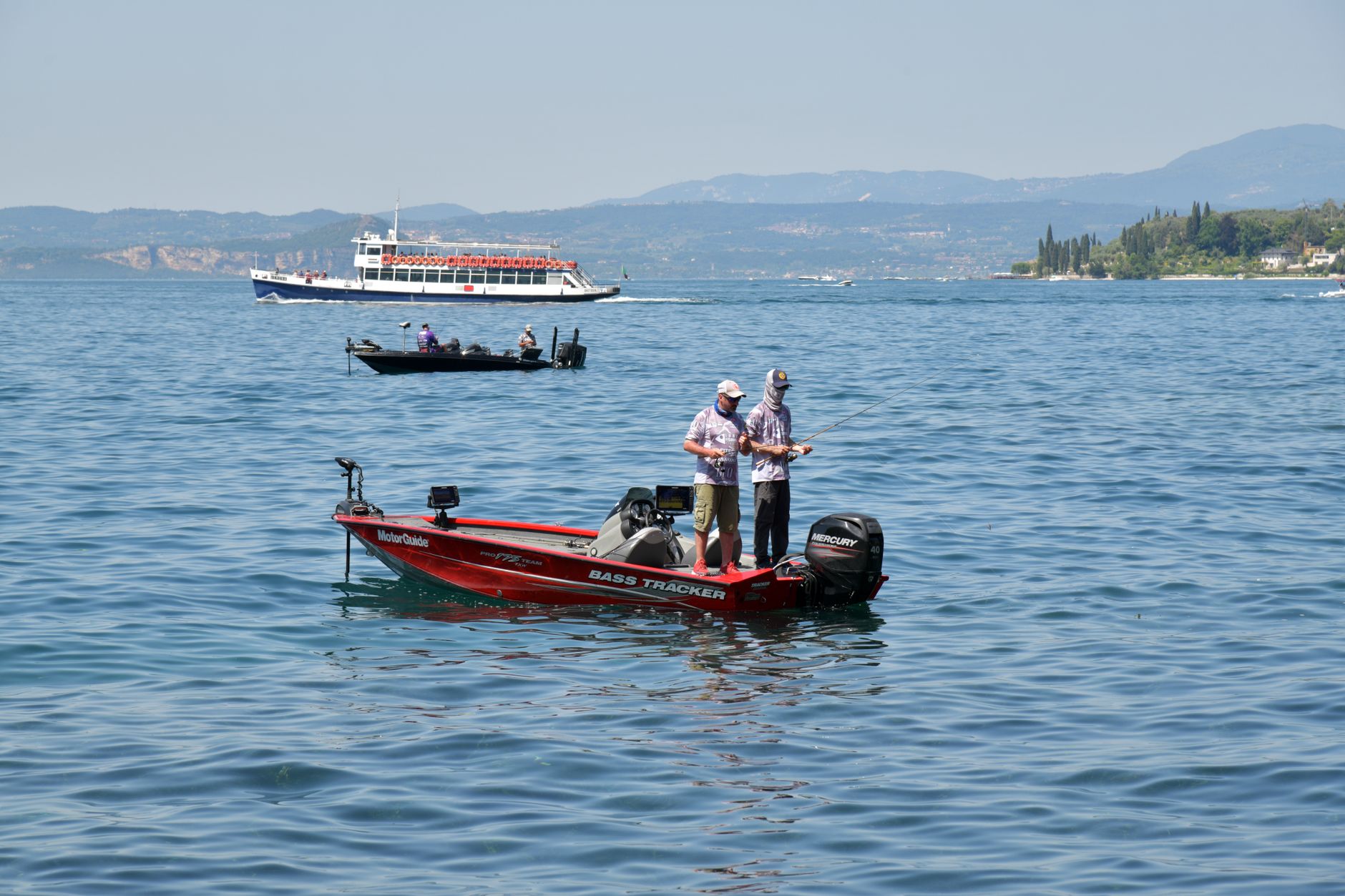
Key Tips for Choosing Bream Lures
**Tip 1: Match the Hatch** Observation is key in identifying which insects or crustaceans are prevalent in a fishing area. If, for instance, small mayflies are an abundant food source, selecting a nymph-like lure will increase your chances. "Lures that resemble local prey more closely yield better results,” said Johnson.
**Tip 2: Vary Retrieval Techniques** Bream can be finicky and their preferences often change with temperature and depth. "Experimenting with different speeds and types of retrieves can help you find what works best on that particular day," advised Roberts. A steady retrieve could be effective in cooler water, while a more erratic technique might trigger bites in warmer conditions.
**Tip 3: Utilize Topwater Lures During Active Feeding Times** Surface lures shine during dawn and dusk when bream are actively hunting. "Using poppers or small crankbaits at these times can be particularly productive," Johnson remarked. A key to success with these lures is to employ a slight pause after each action, allowing fish to locate and strike the lure.
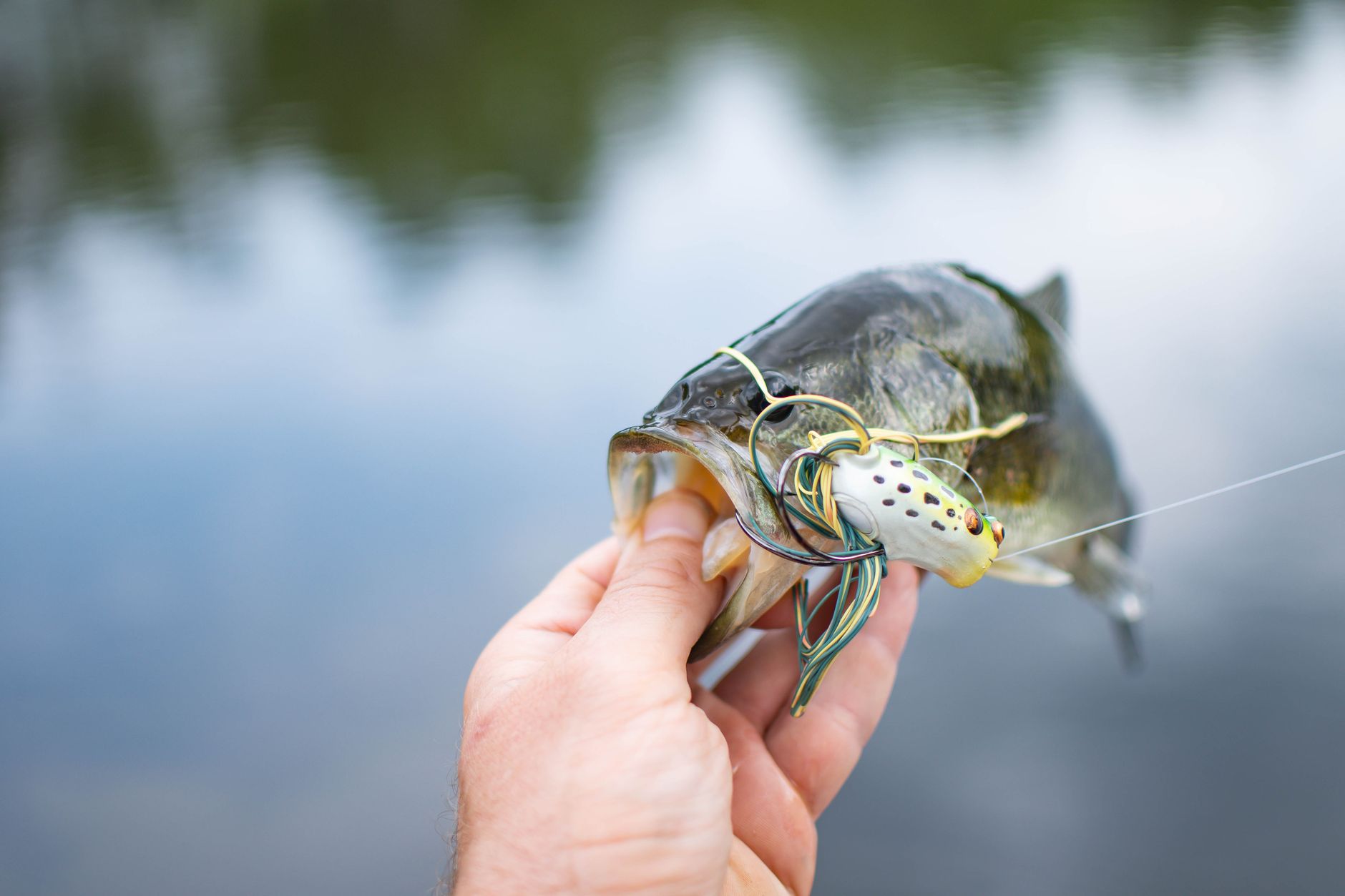
**Tip 4: Adjust for Water Clarity and Depth** Clear water often requires natural-colored lures, while murky conditions benefit from brighter options. "In deeper waters, weighted lures can help achieve the right depth to entice bream," said Roberts. Understanding the nuances of water conditions will drastically affect lure effectiveness.
**Tip 5: Employ Scent Attractants** Adding scent to your lures can enhance appeal significantly. "Scent mimicry of typical bream prey, like earthworms, can make a lure extraordinarily compelling, especially in stained water," Johnson shared. This extra sensory pull can lead to increased feeding responses from bream.
**Tip 6: Choose the Right Size** Due to their smaller mouths, bream usually respond better to smaller lures. "Going for sizes around 1–2 inches increases the chance of a successful hookset," noted Roberts. Options like micro-crankbaits or small tube jigs may be particularly effective.
**Tip 7: Keep Hooks Sharp** Routine maintenance of hooks cannot be overlooked. "Dull hooks can lead to missed opportunities, so keeping them sharp with a hook sharpener is critical," advised Johnson. A sharp hook ensures better penetration and increases the likelihood of a successful catch.

These practical recommendations encapsulate effective strategies for enhancing bream fishing success using artificial lures. By observing conditions and being adaptable with techniques, anglers can significantly improve their chances of landing this sought-after fish.
Conclusion
With a thorough understanding of how various lures interact with bream under different conditions, anglers are better equipped to optimize their fishing experiences. By leveraging knowledge on size, retrieval, and environmental factors, bream fishing can transform from a challenging pastime into an enjoyable endeavor. Upcoming sections will further explore specific types of lures and their strategic applications in various environments.