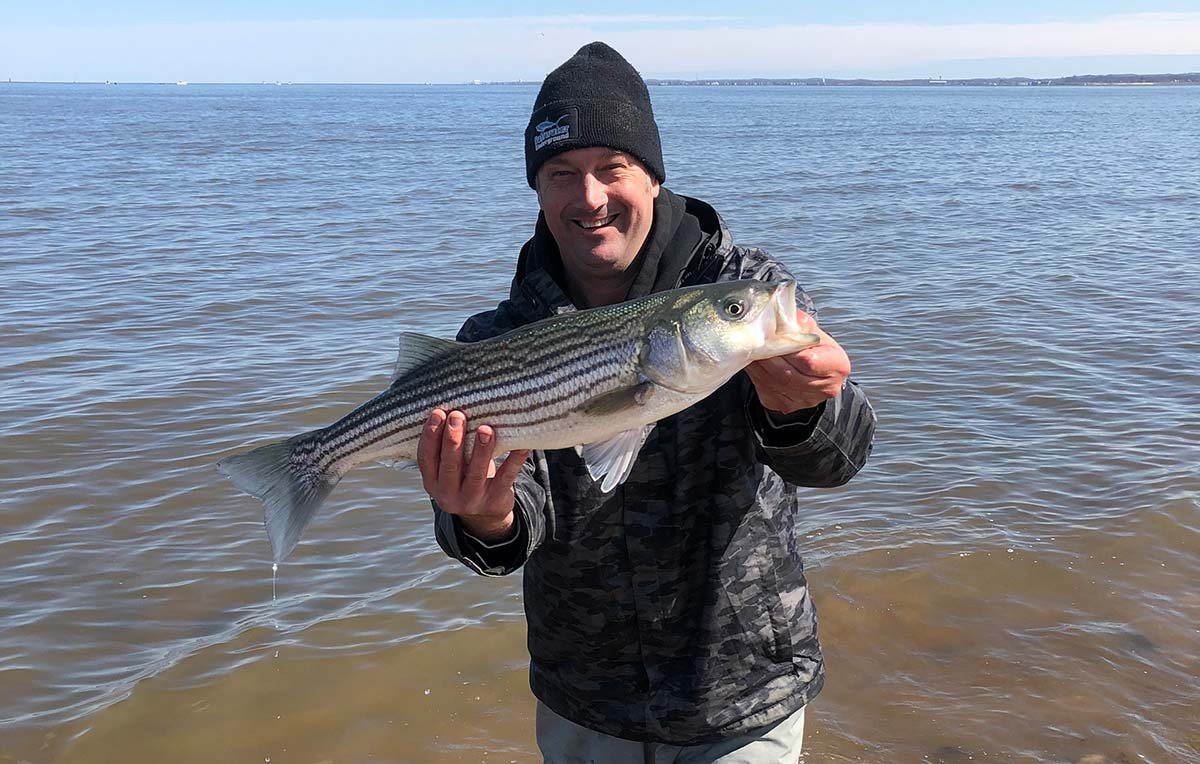
As the spring equinox approaches, angling enthusiasts in New Jersey eagerly anticipate the arrival of striper fishing season. March, often dubbed 'Bass Madness,' signals the start of prime fishing conditions, particularly along the state's diverse sod banks and sedge areas.
The recent mild winter has led many hopeful anglers to wonder whether stripers have lingered in ocean waters, but historical trends indicate that tidal rivers and estuaries are typically the first to yield action. "The starting gun has fired and striper hounds across the state have bass on their minds," said Nick Honachefsky, a fishing expert closely monitoring the behavior of these iconic fish as they prepare for their annual migrations.
The Garden State boasts an extensive network of bays, rivers, and creeks, offering numerous opportunities to catch stripers as they move upriver to spawn. Among the most notable waterways are the Hudson and Delaware rivers, which serve as crucial migratory routes for fish making their way back from the ocean. "You want to intercept them on the way," Honachefsky emphasized, reminding anglers to focus not just on location but also on timing their strategies effectively.
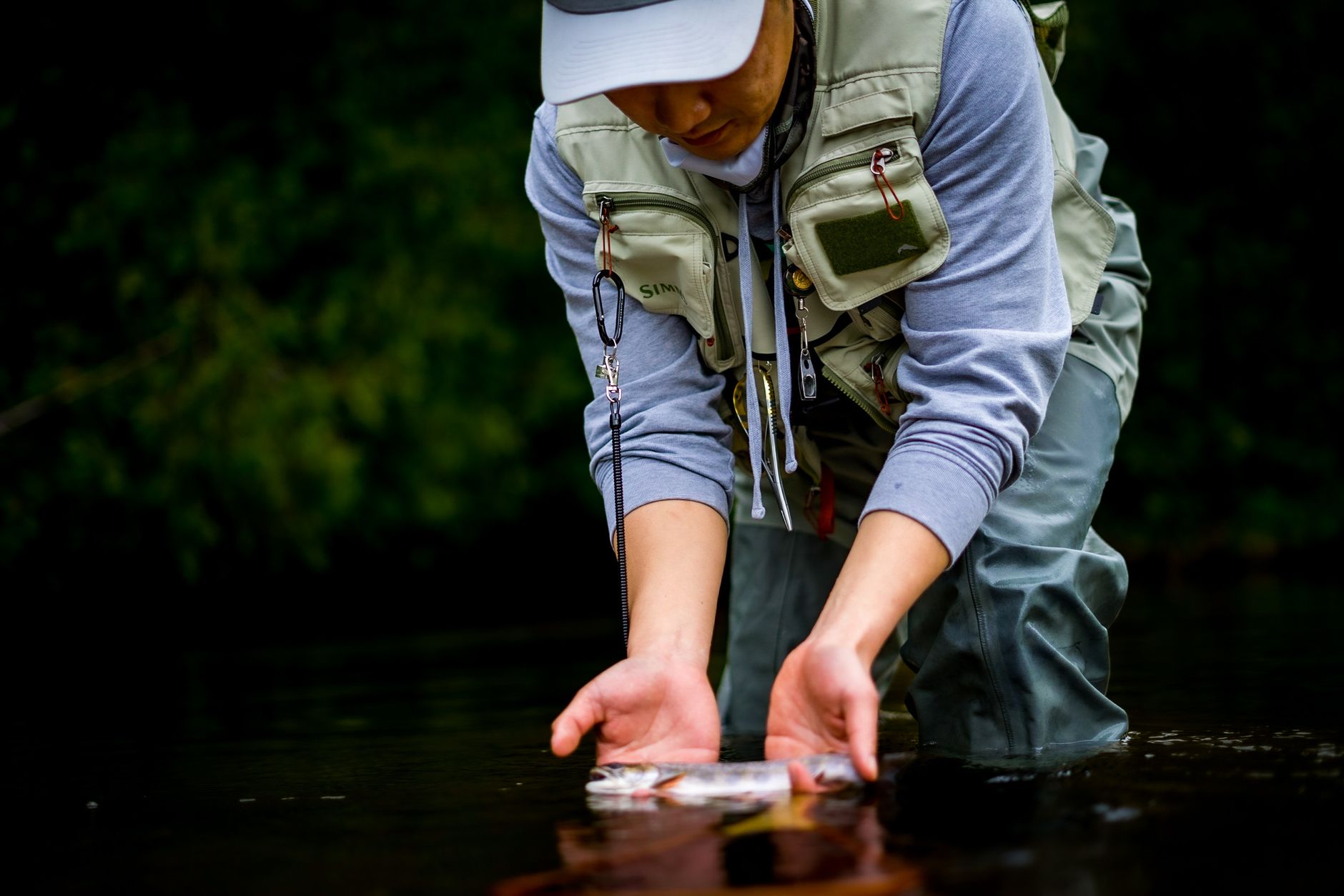
Successful fishing in New Jersey’s waters relies heavily on understanding how environmental factors influence fish behavior. The best conditions arise when anglers can capitalize on warmer water temperatures. Honachefsky advises that anglers should pay particular attention to the relationship between sun exposure and tidal patterns. "Shallow mud bay flats will warm up faster on times surrounding low tide," he explained, noting that outgoing tides can push warmer water from back rivers into the bays.
Anglers are encouraged to seek waters that are above 48 degrees, which typically aligns with the outgoing tide. A marked increase in water temperature of 6 or 7 degrees during this phase can create ideal scenarios for catching feeding bass. "Anytime you find water in the 50s, it's a good bet you will find feeding bass," he added, highlighting the importance of both boat and shore fishing tactics in these conditions.
As for bait, worms are among the top choices for enticing stripers during this springtime kickoff. Bloodworms, sandworms, and tapeworms find their way into the mudflats and sedge banks, providing an abundant food source for bass. "Worming reigns supreme at the start of the March backwater striper season," Honachefsky noted, encouraging anglers to consider the myriad strategies involved in this form of fishing.
One particularly effective rig for targeting stripers with worm bait is the slide rig. "The slide rig consists of a fishfinder slide tied above the barrel swivel, then a 24-inch 30-pound Seaguar fluorocarbon leader, to which a size 3/0 to 5/0 Octopus inline circle hook is snelled on," he explained. This setup allows anglers to maximize their chances of hooking a striper as worms undulate in the current, drawing the fish in.

Preparation is key, and Honachefsky suggests carefully threading the worm onto the hook, with some of the worm dangling to simulate natural movement in the water. Securing the bait with elastic thread can also enhance its effectiveness. "Take a bit of elastic thread and make a few wraps with it to secure the ‘worm,’" he instructed.
As New Jersey heads into March, the excitement surrounding striper fishing intensifies. With knowledgeable strategies, the right bait, and a keen awareness of the fish's behavior in relation to their environment, anglers are well-prepared to make the most of this upcoming fishing season. The tides are turning, and the shorelines are set to become lively fishing grounds once again.
In conclusion, as anglers eagerly await the migrating stripers, the upcoming weeks will provide ample opportunities for both seasoned fishermen and newcomers. Whether targeting larger rivers or quiet backwaters, the early spring conditions set the stage for a bountiful and exciting striper fishing season.