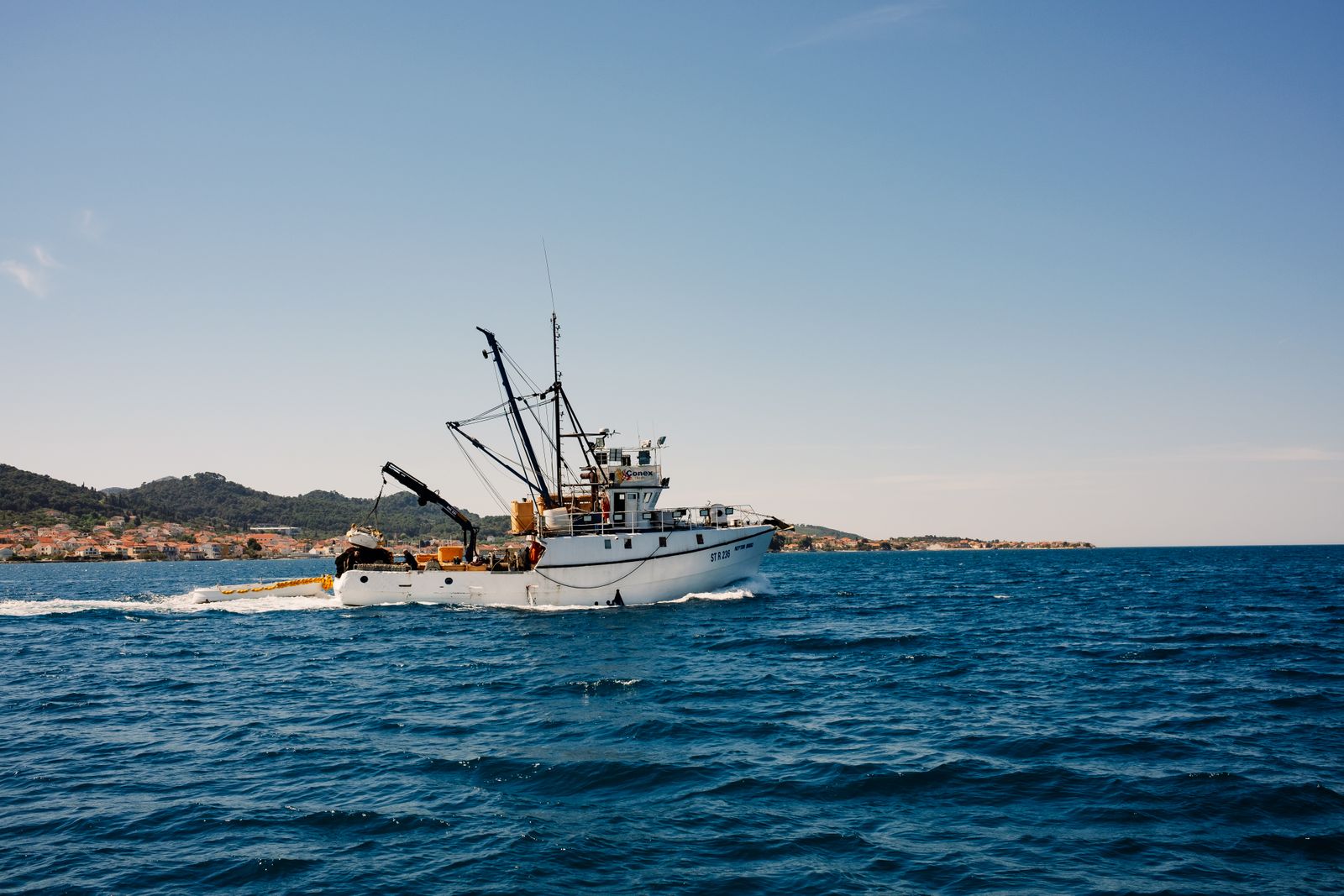
Every fish a recreational angler cares about — the tuna schools that roam the Pacific, the reef species, the stocks held in check by bag limits and closed seasons — shares the ocean with a black-market trade that pulls a huge volume of catch out of the water unrecorded. On 5 June the international community marked the United Nations' Day for the Fight Against Illegal, Unreported and Unregulated (IUU) fishing, and with it the tenth anniversary of the only binding treaty built to stop that trade: the Port State Measures Agreement, or PSMA.
The agreement entered into force in 2016. A decade on it has grown into a network of more than 100 countries — roughly three-quarters of the world's coastal states, including Australia, China, the European Union, the United States and South Korea — that sign up to a common set of port controls. The premise is deliberately unglamorous. Instead of chasing rogue vessels across open water, the treaty squeezes them at the dock, where an illegal catch eventually has to be landed and sold.
"The PSMA is the only legally binding international treaty specifically designed to address IUU fishing, which it does by strengthening port controls and limiting the ability of illicit operators to offload their catch to the market," the Pew Charitable Trusts said in its anniversary assessment. The stakes are large: by Pew's reckoning, IUU fishing costs the global economy up to US$23 billion a year and accounts for as much as 30 percent of high-value catch volumes.
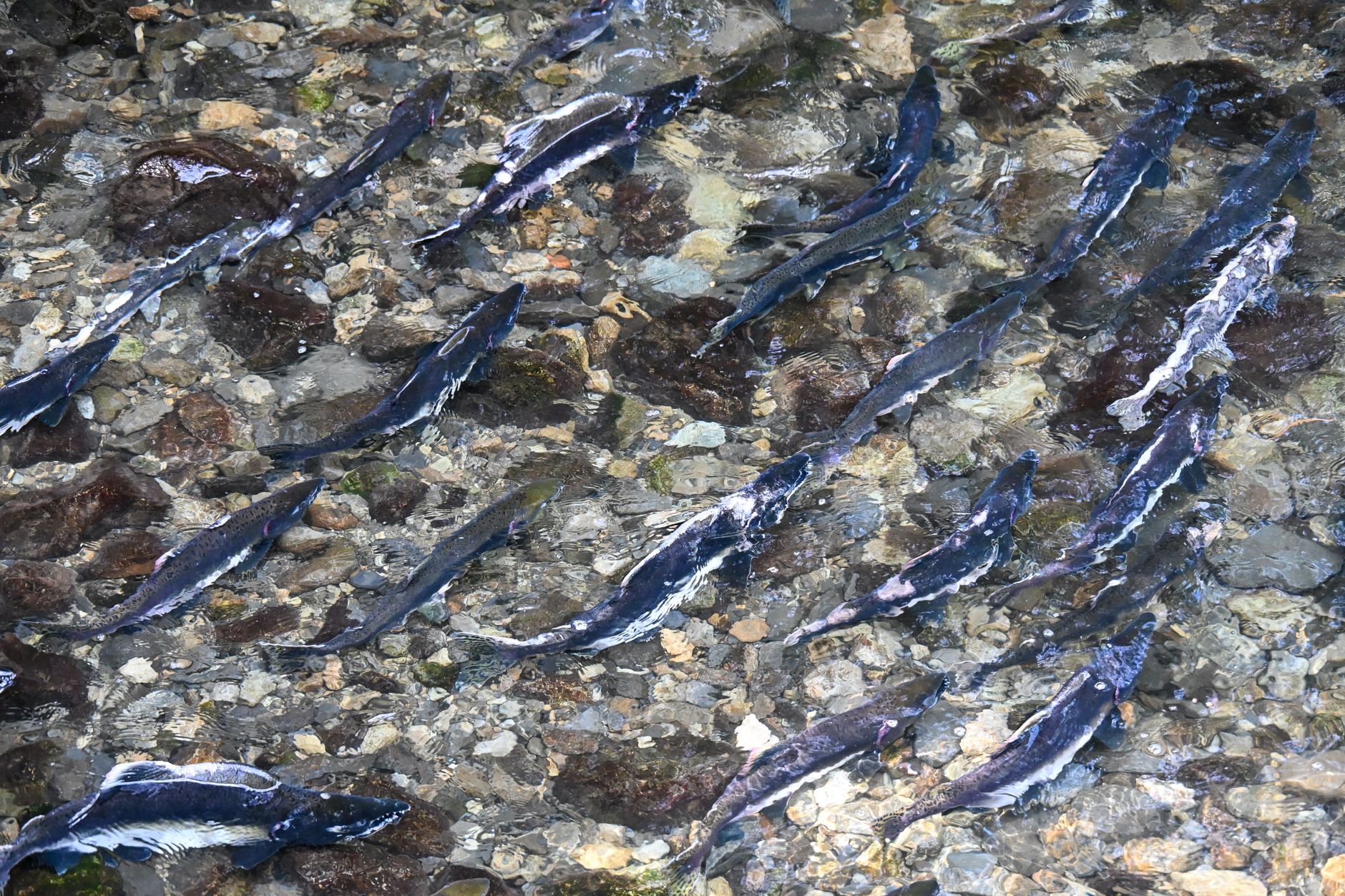
For Pacific nations whose economies and dinner tables both run on fish, the treaty is not an abstraction. "Ending and preventing IUU fishing is vital to Fiji because it directly safeguards the nation's economic sovereignty, food security and environmental resilience," said Meli Raicebe, a fisheries officer with Fiji's Fisheries Department who chairs the Western and Central Pacific Fisheries Commission's port state measures working group.
The machinery behind the treaty has matured. A shared Global Information Exchange System went live in 2023, and member states have since filed more than 4,300 port inspection reports covering over 1,250 vessels — a common database that makes it harder for a flagged boat to dodge scrutiny by simply sailing to a friendlier port. Thirteen of the largest regional fisheries management bodies, including the five that oversee high-value tuna, have adopted matching port measures.
Officials are candid that the work is unfinished. Alicia Mosteiro, the FAO technical secretary who supports the agreement, said wider membership is the next frontier: "Universal adoption, including by landlocked States, which are often seafood buyers, would spur further positive change."
Money is the other worry. Elsa Tudal, the French project director who will chair the parties' next meeting in 2027, was blunt about the weak point no inspection regime can paper over: "Without permanent funding, the PSMA is fragile." Inspections, training and the data systems that underpin the treaty all rely on budgets that must be renewed rather than guaranteed.
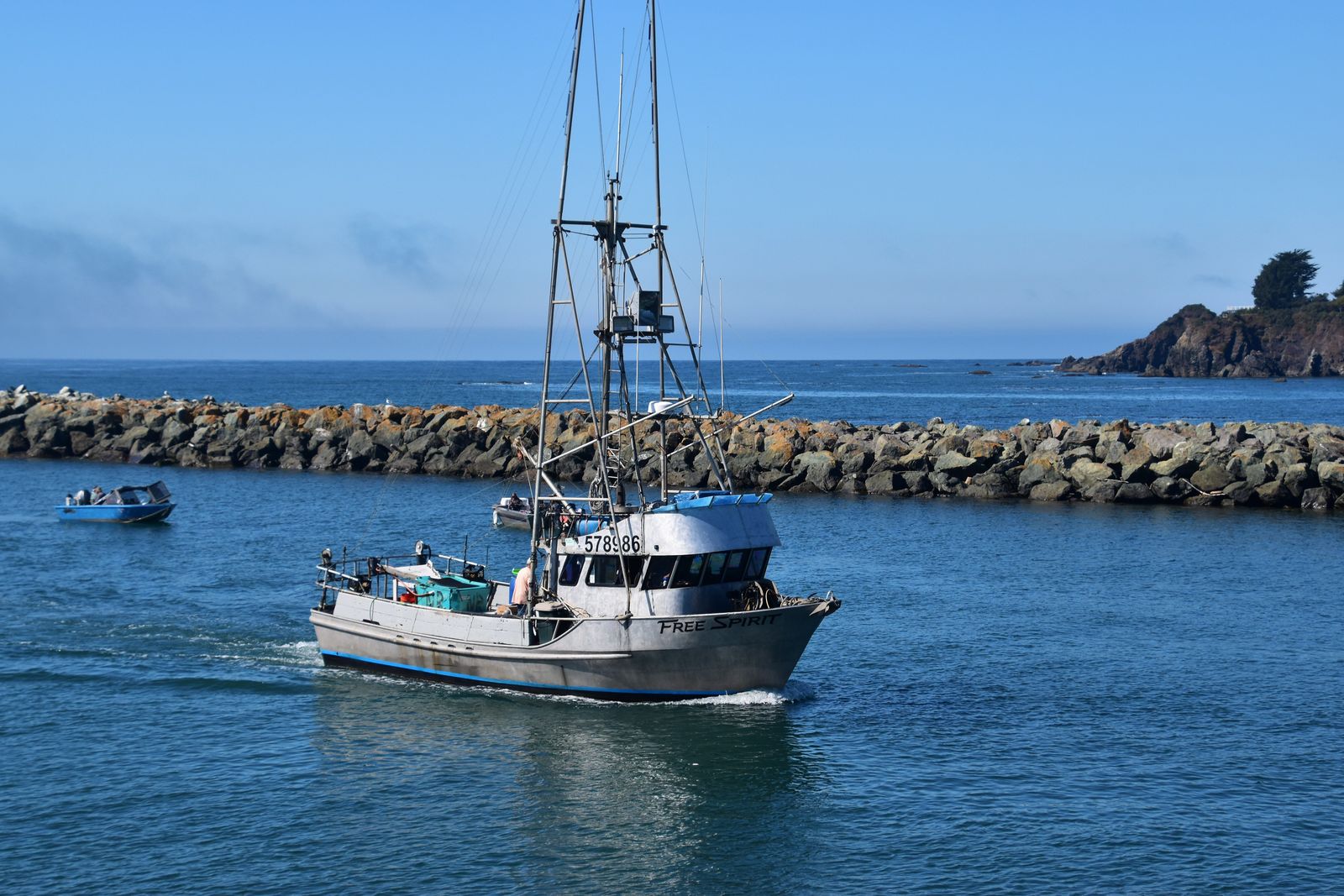
The Australian thread runs close to home. Border Force crews in the north routinely intercept foreign vessels fishing illegally in Australian waters, and the country's signature on the PSMA is part of the same effort — denying that catch a market matters as much as catching the boat. For anglers, the through-line is simple. The bag limits and seasonal closures that shape a fishing year only work if the same stocks aren't being stripped out wholesale somewhere over the horizon.