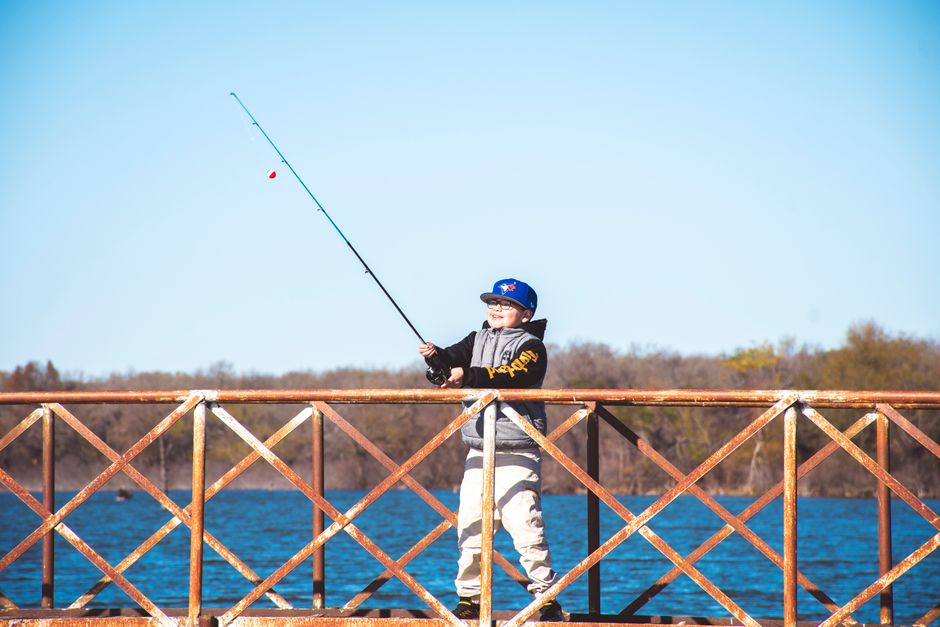
A Perth council has banned fishing across 16 of its lakes and wetlands and at a popular city beach, drawing sharp criticism from Western Australia's peak recreational fishing body, which says the crackdown punishes responsible anglers for the behaviour of a few.
Earlier this month the City of Stirling formally adopted amendments to its property local law prohibiting fishing across its 16 inland lakes, wetlands and water bodies, as well as at Mettams Pool Beach. Affected sites include Lake Gwelup, Herdsman Lake, Carine Regional Open Space and Jackadder Lake. Anyone caught casting a line at those locations now faces a $125 fine.
The council introduced the changes in response to resident complaints about antisocial behaviour and reports of native wildlife being injured by fishing activity at some urban wetlands. Reporting the move, PerthNow noted the ban was framed by supporters as a wildlife-protection measure.

Recfishwest, the state's peak body for recreational fishers, argues the response is disproportionate. Operations lead Matt Gillett told PerthNow the organisation was "extremely disappointed" by the decision.
"We support efforts to protect wildlife and encourage responsible behaviour, but banning fishing altogether unfairly penalises the overwhelming majority of people who do the right thing," Gillett said.
"These lakes provide one of the few affordable and accessible places where children, families and older people can enjoy fishing close to home," Gillett said. "Taking that opportunity away because of the actions of a small minority is a poor outcome for the community."
Gillett was particularly concerned about young anglers losing an entry point to the sport. "For many young people, these lakes are where they first learn to fish, spend time outdoors and develop a lifelong appreciation for the environment," he said. "Responsible recreational fishing provides significant physical, mental and social well-being benefits and it's disappointing those benefits will now potentially be lost at these locations."
He also pointed to a practical consequence the ban overlooks. Many of the fish in these urban waters are pests, and recreational anglers help keep their numbers down.
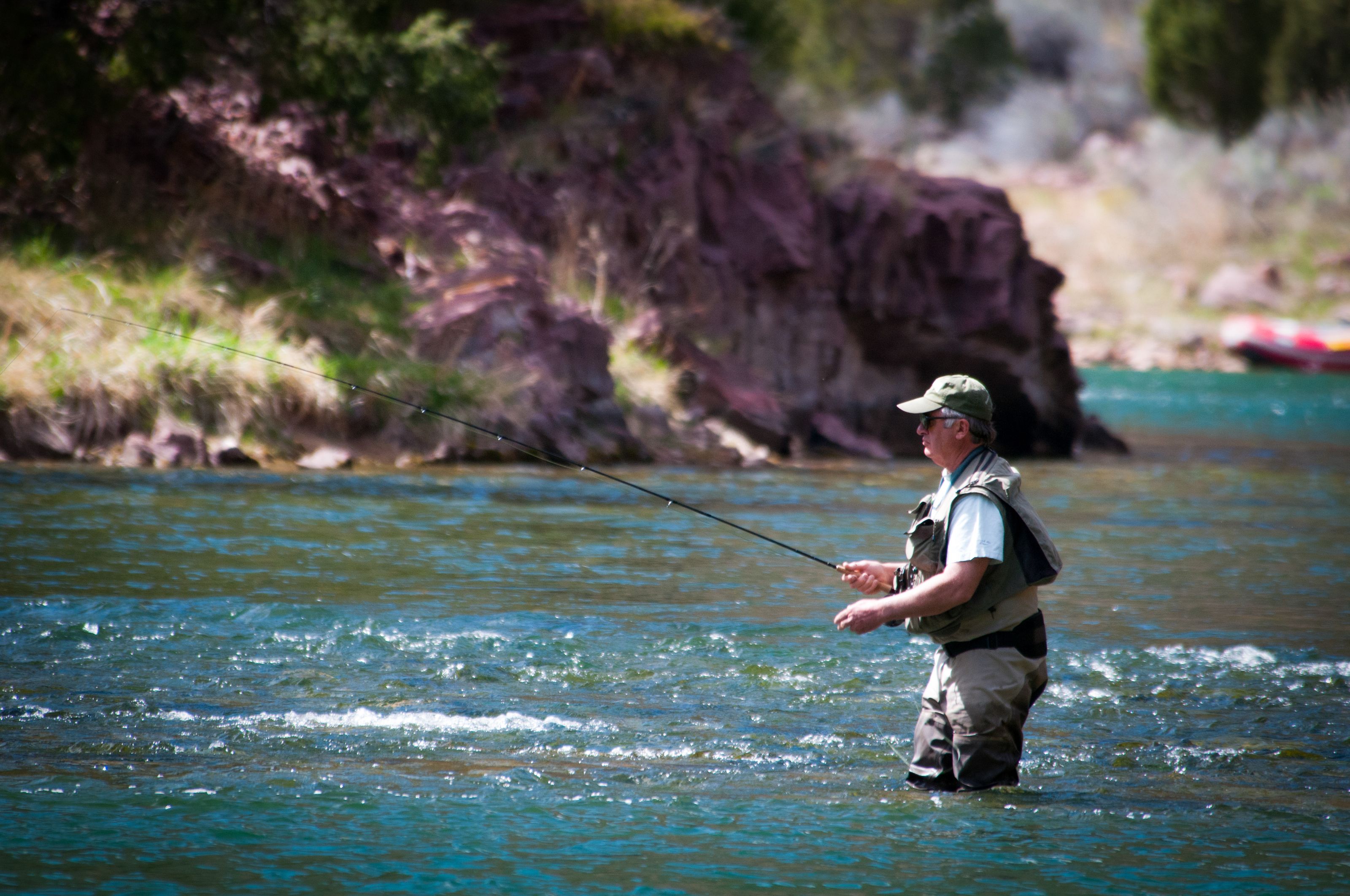
"Many of the fish caught in these lakes are introduced, non-native species such as carp, tilapia and other feral fish that have no conservation value and can negatively impact native ecosystems," Gillett said. "Responsible recreational fishers play a useful role in removing these invasive species. A blanket ban removes that benefit without addressing the behaviour that was actually causing concern."
The dispute is a familiar one for councils weighing wildlife welfare against access to green space. Stirling's position is that a total prohibition is the cleanest way to stop the harm being reported at its wetlands. Recfishwest's counter is that a rule aimed at everyone leaves the actual offenders no more accountable, while stripping families of a cheap, local pastime and removing a check on feral fish.